





What 'Organic' Really Means for Oregano Oil Liquid: Certifications, Farming, and Label Literacy

When browsing for oregano oil liquid, the word "organic" can stand out on the label, hinting at a purer, more thoughtfully produced product. But what does "organic" really imply for oregano oil? Understanding the layers of certification, the farming and harvesting practices behind organic oregano, the extraction methods that shape the finished liquid, and how to decipher labels is crucial for making an informed choice. This plain-English guide breaks down the basics, stripping away jargon so you can shop with confidence and support sustainable practices.
Understanding 'Organic': More than Just a Buzzword
The world of natural products is filled with terms that sound impressive, but "organic" carries a specific and regulated meaning. For oregano oil liquid, this term doesn’t just refer to how the oregano is grown, but to every step—from soil to final bottle.
What Does Organic Certification Cover?
When you see "organic" on oregano oil liquid, it can reference compliance with standards set by certifying bodies such as the USDA (United States Department of Agriculture) or equivalent organizations in other regions. To carry this label, producers must ensure that:
- Crops are grown without synthetic pesticides or fertilizers
- No genetically modified organisms (GMOs) are used
- Soil health and biodiversity are prioritized
- Processing is handled separately from non-organic batches
Certifying agencies conduct routine audits and traceability checks to maintain these standards. Products labeled “USDA Organic,” for example, must contain at least 95% organic ingredients and adhere to a range of strict handling and processing rules.
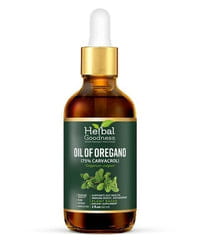
When evaluating oregano oil products, note that immune-supporting supplements like Oil of Oregano (75% Carvacrol) - 2oz Liquid - Immunity are often available with strict compliance to organic certification and transparency in sourcing.
Key Organizations Granting Organic Status
Several prominent organizations provide organic certification, including:
- USDA Organic (United States)
- EU Organic Farming (Europe)
- Canada Organic (Canada)
- Australian Certified Organic (Australia)
Each program maintains similar yet region-specific protocols, all designed to ensure the trustworthiness of the "organic" claim.
From Field to Bottle: Organic Farming and Harvesting Practices
The journey of oregano oil liquid begins long before extraction—it starts in the soil itself.
Organic Oregano Cultivation
Certified organic oregano farmers avoid the use of synthetic inputs and invest in practices that nourish the land and surrounding ecosystem. Typically, this involves:
- Crop rotation: Alternating plantings to maintain soil vitality.
- Natural compost and plant-based fertilizers: Promoting robust, chemical-free growth.
- Manual or mechanical weeding: Instead of chemical herbicides.
- Encouraging beneficial insects: Supporting natural pollination and plant health.
If you’re seeking other herbal oils that support immune health, consider exploring the benefits of Black Seed Oil 8oz - Cold-Pressed Liquid - Immunity & Wellness, which is also processed to preserve purity and organic standards.
Harvesting Organic Oregano
For optimal results, oregano is usually harvested during peak flowering when its essential oils are most concentrated. Harvesting often occurs by hand or specialized tools to preserve the plant’s delicate constituents and minimize unnecessary plant disturbance.
Why Farming Practices Matter
These farming approaches influence the aroma, flavor, and consistency of the finished oregano oil. Cleaner growing environments tend to yield a more aromatic oil, free from unwanted residues and more reflective of the natural plant profile.
Those who prioritize clean growing environments and high-purity liquid extracts often turn to Papaya Leaf Extract - - Organic 16oz 15X Liquid Extract, renowned for its organic certification and transparent production.
Extraction Methods: How They Affect Organic Oregano Oil Liquid
The path from fresh oregano plant to the golden liquid in a bottle involves careful extraction. While "organic" primarily refers to growing methods, the extraction process can also impact the integrity of the final oil.
Popular Extraction Techniques
-
Steam Distillation: This is the most common method for organic oregano oil liquid. Steam is used to extract essential oils from fresh or dried aerial parts of the oregano plant. This technique helps preserve the delicate compounds that give oregano its characteristic scent and flavor.
-
Cold Press Extraction: While rarer for oregano, this approach is prized for other botanical oils and ensures no high heat is involved, maintaining the natural profile of the oil.
-
CO2 Extraction: Pressurized carbon dioxide draws out the oil, creating a pure and highly concentrated extract. Organic certifications sometimes extend to this method if natural, food-grade CO2 is used and the process abides by organic guidelines.
The Importance of Extraction in 'Organic'
Even when produced from organic oregano, the extraction method needs to be gentle and free from harsh chemical solvents to maintain the product's organic status. Confirming the extraction method can offer reassurance about a liquid's purity and the preservation of beneficial plant compounds.
For those also interested in ethically produced herbal liquids, Oil of Oregano (75% Carvacrol) - 2oz Liquid - Immunity is a go-to choice for purity-minded consumers.

Label Literacy: Deciphering Organic Oregano Oil Liquid Labels
Oregano oil liquid labels feature a host of terms — “100% pure,” “organic certified,” “wild-crafted,” “therapeutic grade” — making it tricky to know exactly what you're getting.
Reading for Authenticity and Transparency
When researching organic oregano oil options, pay attention to:
- Certification seals: Look for official certification marks like USDA Organic or EU Organic. Genuine products will display these prominently.
- Ingredient lists: A clear list should state the type of oregano used (Origanum vulgare is the primary species for classic oregano oil) and any carrier oils, such as extra virgin olive oil, if present.
- Extraction method disclosure: Reputable brands often mention how the oil was extracted.
- Country of origin: This can indicate quality and sustainability practices based on regional standards.
Some herbal extracts, like Papaya Leaf Extract Blood Support - Organic 1oz 15X Liquid Extract - Platelet Health, clearly list extraction methods and promote transparency on their labels as well.
Spotting Red Flags
Some products may use misleading language or imagery. Terms like “all natural,” “pure,” or “wild” do not automatically signify organic production. A trustworthy organic label is tied to third-party certification, not just creative branding.
Understanding Label Terms
- 100% Organic: All ingredients and processing methods are certified organic.
- Organic: At least 95% of the product is organic; the remaining 5% must meet specific standards.
- Made with Organic Ingredients: Contains a minimum of 70% organic content; check for details on the remaining ingredients.
Sustainability Claims: Looking Beyond the Label
Consumers increasingly care how their purchases affect the planet. Organic certification is just one part of a broader commitment to environmental stewardship.
Assessing Sustainable Practices
- Packaging materials: Eco-friendly brands may use recyclable glass or biodegradable materials.
- Carbon footprint: Some companies offset transportation emissions or support local farming initiatives.
- Wild-harvesting claims: If a label mentions wild-crafted oregano, verify that the brand supports responsible, sustainable foraging that does not endanger native plant populations.
- Fair-trade practices: These ensure that farmers receive a fair wage for their work, promoting long-term community well-being.
Sustainability considerations have encouraged some shoppers to seek out supplementary products, such as Black Seed Oil 8oz - Cold-Pressed Liquid - Immunity & Wellness, which features eco-friendly packaging and transparent sourcing.

Brands committed to sustainability usually provide additional details on their websites, such as sourcing stories, supply chain audits, and annual sustainability reports. Taking the extra step to review this information can make your choices more aligned with your values.
Practical Tips for Shopping Organic Oregano Oil Liquid
Navigating shelves or online listings for organic oregano oil can be overwhelming. The following tips can help simplify your search:
- Double-check certifications: Prioritize products with visible third-party organic seals.
- Scrutinize ingredients: Look for transparency about oregano species, carrier oils, and any additives.
- Confirm extraction method: Opt for steam-distilled or CO2-extracted oils when possible, as these preserve the plant’s key compounds.
- Read reviews: Other consumers can provide valuable insights into quality, aroma, and packaging.
- Research the brand: Visit company websites for more details on farming, extraction, and sustainability initiatives.
- Compare price and value: High-quality organic oregano oil liquid may cost more due to rigorous certification and sustainable practices, but this can reflect real value for purity and environmental stewardship.
If you’re interested in broadening your collection of certified extracts, Papaya Leaf Extract - - Organic 16oz 15X Liquid Extract is a proven option for those seeking both purity and value.
Oregano Oil Liquid: Making an Informed Organic Choice
Choosing organic oregano oil liquid goes beyond a single word on a label. It’s about trusting the process from seed to shelf, understanding certification meanings and farming standards, considering how extraction methods influence the final product, and reading labels with a critical eye. By following credible standards, supporting sustainable practices, and prioritizing transparency, you can select a product that’s aligned with your values and the highest standards that the "organic" movement represents.
FAQs:
- What does 'organic' mean for oregano oil liquid?
Organic oregano oil liquid comes from oregano grown without synthetic chemicals, genetically modified organisms, or artificial additives. The oil is extracted and processed according to strict organic certification standards, ensuring product purity and environmental responsibility.
- How can I tell if oregano oil liquid is truly organic?
Look for third-party certification seals, such as USDA Organic. The product label should specify organic ingredients, clear extraction methods, and may reference the species (such as Origanum vulgare). Verify claims on the manufacturer’s website if unsure.
- Why are extraction methods important for organic oregano oil liquid?
Extraction methods like steam distillation and CO2 extraction help preserve beneficial plant compounds and overall oil purity. These methods must avoid harsh chemicals to meet organic certification requirements.
- What should I look for on labels when shopping for organic oregano oil liquid?
Check for valid organic certification, a clear ingredient list, extraction method details, and transparency about sustainable or fair-trade practices. Be wary of terms like 'natural' or 'pure' without verifiable certification.
- Does sustainable packaging matter when choosing oregano oil liquid?
Yes. Sustainable packaging, such as recyclable or biodegradable materials, reflects a brand’s broader commitment to environmental stewardship. It can be an indicator of responsibility beyond the primary ingredient.
Author Name:
Herbal Goodness Editorial Team
Author Bio:
The Herbal Goodness Editorial Team specializes in holistic health and superfoods, blending science and nature to educate and empower our community.
References:
Introducing Graviola to Young Taste Buds: Fun, Family-Friendly Flavor Exploration
Graviola in the Classroom and at Home: Creative Activities to Teach Kids About Tropical Plants
Share this
Popular posts


FAQs
1. What are the main benefits of drinking bamboo leaf tea?
Drinking bamboo leaf tea supports hydration, relaxation, skin wellness, and antioxidant balance.
2. What is bamboo leaf extract used for?
It’s used for general body wellness, skin elasticity, hair and nail support, and overall vitality.
3. Can bamboo leaf help with skin care and body wellness?
Yes, bamboo leaf is rich in silica and antioxidants, which promote healthy skin, strong nails, and a youthful glow.
4. What forms of bamboo leaf are available?
You can find dried bamboo leaf, powder, extract, drops, oil, and bamboo leaf green tea.
5. Are there any side effects of bamboo leaf?
Bamboo leaf is generally safe when consumed in moderation. Always consult your healthcare provider before starting any new herbal supplement.