




What Form of Mullein is Best for Lungs? The Expert Guide

Introduction
If you have ever felt that heavy, congested sensation in your chest, you have likely searched for natural ways to support your respiratory wellness. Among the most storied botanical remedies in the world is Verbascum thapsus, commonly known as Mullein. This "velvet plant," with its soft, flannel-like leaves, has been a staple in traditional wellness for centuries. From ancient traditions to modern herbalism, mullein has been prized for its unique ability to support the respiratory tract and encourage clear, comfortable breathing.

Our most concentrated form of mullein
Mullein Leaf Organic 15X Liquid Extract
USDA Organic · Alcohol-free · 15X concentrated · 1 oz & 12 oz · From $32.95
Shop now →However, as its popularity grows in the modern wellness market, many people are left asking one critical question: What form of mullein is best for lungs?
Whether you are looking to support your body against seasonal changes, soothe a dry throat, or maintain long-term lung vitality against environmental stressors, the preparation you choose matters significantly. Not all mullein products are created equal; the way the plant is processed determines how many of its supportive compounds actually reach your system. In this comprehensive 1500-word guide, we will break down the science behind mullein, compare the most popular forms—from mullein leaf liquid extract to traditional teas—and help you determine which one aligns best with your specific wellness goals.
The Anatomy of a Respiratory Powerhouse: What’s Inside Mullein?
To understand what form of mullein is best for lungs, we must first look at the phytochemistry of the plant. Mullein is not just another herbal trend; it is a complex botanical packed with bioactive compounds that work synergistically to support the body's natural processes.
1. Mucilage: The Natural Soother
Mullein leaves contain high levels of mucilage, a gelatinous substance that provides a gentle, coating sensation for mucous membranes. When your throat feels dry or irritated from environmental factors like wood smoke or dry air, mucilage acts as a "liquid hug," providing a physical barrier that helps maintain moisture and comfort.
2. Saponins: Fluidity and Support
This is perhaps the most important component for respiratory wellness. Saponins are natural compounds that help maintain the body's natural ability to manage mucus. By supporting the thinning of secretions, saponins make it much easier for your body’s natural mechanisms to keep the airways clear and functioning optimally.
3. Flavonoids and Antioxidants
Rich in compounds like hesperidin and quercetin, mullein provides essential antioxidant support. This is crucial for people living in urban environments where oxidative stress from pollution can impact lung tissue over time. Supporting your lungs with antioxidants is a key part of a proactive wellness strategy.
Deep Dive: Comparing the Forms of Mullein
1. Mullein Leaf Liquid Extract (Tinctures)
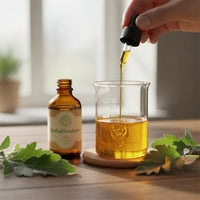
When herbalists are asked what form of mullein is best for lungs, they almost always point toward mullein leaf liquid extract.
The Extraction Process: A high-quality liquid extract is made through a process called maceration. The leaves are soaked in a solvent (usually water and vegetable glycerin) for several weeks. This slow process "pulls" the saponins and flavonoids out of the plant fiber and suspends them in a shelf-stable liquid without the need for high heat.
Why It Wins on Bioavailability: Because the herb is already broken down into a liquid, your body does not have to spend energy digesting tough plant cellulose. Absorption begins the moment the mullein leaf drops touch your tongue and the mucous membranes in your mouth, leading to faster, more efficient support for your respiratory system.
Convenience and Potency: Liquid extracts are highly concentrated. A single dropperful often contains the botanical equivalent of several cups of tea. For a busy professional, being able to add a few drops to a water bottle is a more practical way to maintain a wellness routine than brewing tea multiple times a day.
2. Mullein Leaf Tea: The Traditional Ritual
Tea is the most ancient way to consume mullein. It provides a warm, soothing ritual that is particularly comforting during the cooler months of the year.
The Benefits of Warmth: Steeping mullein leaves in hot water is excellent for releasing the mucilage. If you enjoy a slow, meditative wellness practice, the warm liquid combined with the mucilage provides immediate, localized comfort for the throat and chest area.
The Hidden Challenge: Irritating Hairs One thing many beginners don’t realize is that mullein leaves are covered in tiny, fine hairs. If you do not strain your tea through a very fine mesh or a coffee filter, these hairs can actually cause a tickle in the throat. This makes tea a slightly "high-maintenance" option compared to a professional, filtered extract.
3. Capsules and Powders: The Modern Choice
Capsules are popular for those who prefer a "no-taste" approach to their wellness supplements.
The Reality of Digestion: While convenient, capsules contain dried, pulverized leaf material. Your stomach must break down the capsule shell and the plant fiber before the supportive compounds can be absorbed. This "lag time" means capsules are generally better for long-term maintenance rather than immediate respiratory support.
The Science: What Do the Studies Say?
While traditional use spans millennia, modern science is starting to back up these ancient claims regarding wellness. A 2024 study published in the journal Naturopathic Pediatrics highlighted that Verbascum thapsus exhibits significant "demulcent" (soothing) properties that are highly effective for maintaining upper respiratory comfort and harmony.
Furthermore, research published in Heliyon (2024) explored the antioxidant activities of mullein. The study found that liquid preparations—specifically extracts—retained a higher concentration of polyphenols than those subjected to high-heat drying processes. This suggests that if you are looking for the most "nutrient-dense" version of the plant to support your lungs, the extract is a superior choice.
Why Sourcing Matters: The Herbal Goodness Difference
Herbal Goodness, we understand that the quality of your mullein leaf extract for lungs is only as good as the soil the plant grew in. Many mass-market mullein products are sourced from industrial farms that use harsh chemicals, which is the last thing you want when trying to support your wellness.
Our mullein is:
-
Wild-Harvested or Organic: We ensure no harsh chemicals touch the leaves.
-
Glycerin-Based: Our liquid extract is alcohol-free, making it gentle on the stomach and a warm, approachable choice for the whole family.
-
Third-Party Tested: Every batch is tested for purity and potency, ensuring that the levels of supportive compounds are exactly where they need to be to help you breathe easy.
How to Use Mullein for Maximum Results
Knowing what form of mullein is best for lungs is only half the battle; you also need to know how to integrate it into your life.
For Daily Wellness Maintenance
If you live in a city with air quality concerns or have seasonal sensitivities, consistency is your best friend. Add 1 dropper of mullein leaf liquid extract to your morning water or juice. This provides a steady baseline of antioxidant support for your lung tissues.
For Focused Support
When you feel your chest needs extra care, increase your frequency. Taking 1-2 droppers of mullein leaf drops three times a day can help keep the system fluid and the airways supported.
The "Steam Boost"
For an extra layer of comfort, you can add a few drops of mullein extract to a bowl of steaming hot water, put a towel over your head, and gently inhale the steam. This delivers the soothing properties of the herb directly to the respiratory lining.
FAQ Section
1. What form of mullein is best for lungs if I have a sensitive stomach?
The liquid extract is usually best for sensitive stomachs. Because it is alcohol-free and the plant material is already pre-extracted, it doesn't require the heavy digestive work that capsules or raw tea might.
2. Can I take mullein leaf extract for lungs every day?
Yes. Mullein is considered a "tonic" herb in traditional herbalism, meaning it is gentle and suitable for regular use. Many people use it as a cornerstone of their winter wellness kit.
3. How fast will I see results with mullein leaf drops?
Most users report a soothing feeling in the throat and chest almost immediately. For broader respiratory support, it typically takes 24 to 72 hours of consistent use to begin feeling the full benefits.
4. Is mullein leaf for lungs safe for everyone?
Mullein is generally very safe. However, as with any supplement, if you are pregnant, nursing, or taking prescription medications, it is always best to consult with your healthcare provider to ensure it fits your specific wellness plan.
5. Can I use mullein for my pets?
Mullein is often used in holistic animal care for seasonal respiratory support, but you must consult your veterinarian for the correct weight-based dosage for your dog or cat.
6. Is it better to take mullein on an empty stomach?
For the fastest absorption, taking mullein leaf liquid extract 15 minutes before a meal is ideal. However, it is still perfectly effective if taken with food or mixed into a smoothie.
Breathe Easy Again

Don't let environmental stressors or seasonal changes keep you from feeling your most vibrant self. When it comes to your respiratory wellness, you deserve a supplement that is as pure as it is powerful.
Now that you know mullein leaf liquid extract is the most potent and bioavailable form for lung support, it's time to elevate your wellness cabinet.
Click Here to Shop Our Premium, Alcohol-Free Mullein Leaf Liquid Extract
Experience the Herbal Goodness difference: Non-GMO, sustainably sourced, and formulated for maximum absorption. Your lungs will thank you.
Related blogs:
References:
-
National Center for Biotechnology Information (NCBI) - Therapeutic Potential of Verbascum thapsus
-
Journal of Herbal Medicine - Botanical Support for Respiratory Pathways
Ready to choose your mullein? Shop Mullein Leaf Organic 15X Liquid Extract →
Prefer tea? Try Organic Mullein Leaf Tea (24 bags) (From $14.95).