



Rhodiola Species & Label Literacy: Decoding Rhodiola Liquid Extracts Online

When you set out to buy a rhodiola liquid extract online, the sheer variety of products and labels can feel overwhelming. Shoppers are often left wondering, “What’s really inside this bottle?” If you’ve landed on listings that mention different rhodiola species or display an array of industry terms, you’re not alone. Shoppers today are asking smarter questions and seeking clarity, especially when it comes to the botanicals they consume.
In this guide, we’ll walk you through the essentials of reading a rhodiola liquid extract label. You’ll discover what those Latin names mean, why the specific part of the plant matters, and which details on the label can truly signal quality and authenticity. Whether you’re comparing brands or just beginning your journey, understanding these points will help you make better choices before you shop, order, or buy rhodiola online.
Rhodiola’s Botanical Names: Why Species Matter for Liquid Extracts
When searching for the best quality rhodiola liquid extract, you’ll encounter terms like Rhodiola rosea, Rhodiola crenulata, and sometimes just “rhodiola.” These terms aren’t just scientific jargon; they can signify real differences in your herbal purchase.
Popular Rhodiola Species Used in Extracts:
- Rhodiola rosea: This is the species most often recognized and traditionally valued in Europe and North America. Its characteristic “rosey” scent and golden root have made it the standard for premium herbal extracts.
- Rhodiola crenulata: Grown mainly in Asia, this species is also widely used but has a different profile of naturally occurring compounds. Some online products feature this label, usually for purchasers seeking extracts from specific regions.
- Other Rhodiola species: Occasionally, listings may simply say “Rhodiola spp.” or omit the species. It’s important to know that not all rhodiola plants are the same in tradition or use. When shopping for rhodiola liquid extracts, look for labels with precise botanical names—transparency here gives clues to the product’s source and quality.
Reading the Scientific Name on the Label
A high-quality rhodiola liquid extract label will include both the Latin name (such as Rhodiola rosea) and the common name. Here’s what to watch for:
- Species clearly listed (e.g., Rhodiola rosea)
- Sometimes, region of origin (e.g., “Siberian Rhodiola rosea root extract”)
- Brand transparency about which species is being used
If you see only "Rhodiola extract" without a species name, consider contacting the seller for more information. Knowing the species helps you compare options and informs your buying decision.
Which Plant Parts Go Into Rhodiola Liquid Extracts?
Not every part of the rhodiola plant is traditionally used for herbal extracts sold online. The plant part is a fundamental factor in determining what's in your bottle.
Key Parts Used:
- Root: Most often valued in traditional practices and found in top-quality rhodiola extracts. Look for “root extract” or “root liquid” for this format.
- Whole plant: Some products state “whole plant extract,” which means leaves, stems, and roots are included. This isn’t always the traditional choice—it’s important to know what you expect when shopping.
Why the Plant Part Is Listed
- Different parts contain varying natural compounds, which can change the extract’s profile
- Most premium and organic rhodiola extracts highlight “root only” for authenticity
- If the label doesn’t specify, ask the seller or research further for transparency

Key Label Terms and Their Meanings on Rhodiola Liquid Extracts
Shopping for rhodiola extract online means encountering a range of terminology. Decoding those common industry terms can help you understand what’s in each product and steer your purchase toward the best quality choices.
Typical Label Terms to Know:
- Standardized extract: Indicates specific plant compounds are measured to ensure consistency. You might see phrases like “standardized to 3% rosavins, 1% salidroside.”
- Organic: Certified organic rhodiola extracts use roots grown without synthetic pesticides or chemical fertilizers. Premium brands often highlight this for purity.
- Wildcrafted: Refers to rhodiola roots harvested from their natural habitat, often valued for traditional use.
- Alcohol-free: Details about extraction method—ideal for those seeking a gentle, non-alcoholic formula.
- Non-GMO: Indicates the plants haven’t been genetically modified—often important for customers prioritizing natural origins.
- Vegan: Confirms no animal-derived ingredients are present in the liquid extract.
What “Ratio” Means for Liquid Extract Strength
Some liquid extracts mention ratios, such as “1:3” or “1:5.” This ratio typically means that one part dried plant is extracted into three or five parts liquid. The lower the second number, the more concentrated the extract. Brands like Herbal Goodness offer guidance on these details, allowing you to compare potency before you shop.

Shopping Online: Sourcing Clues in Rhodiola Liquid Extract Listings
Buying rhodiola liquid extract online brings an extra layer of research. It pays to pay attention to words and even images on listings.
Sourcing Details to Look For:
- Geographic origin mentioned: Words like “Siberian rhodiola,” “Tibetan rhodiola,” or “Wildcrafted in Scandinavia” suggest regional identity, which can be important if you’re seeking a specific tradition of use.
- Harvest timing: Premium extracts may mention fall harvesting, when roots are at their best.
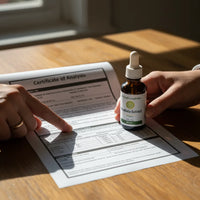
- Third-party testing: References to this can mean an extra focus on transparency, though you may need to check the brand website or ask for certificates.
Identifying Authenticity With Listing Photos
Product images themselves can sometimes reveal the plant part (“golden roots” vs green leaves), bottle labels with detailed Latin names, and even third-party certification seals (organic, vegan, non-GMO). Don’t hesitate to zoom in and carefully inspect what’s shown, similar to how you might evaluate the transparency found in the our Bulk Herbs collection catalog.
Practical Questions Shoppers Should Ask Before Buying Rhodiola Liquid Extract Online
Empowered shoppers know that a few simple questions can clarify much about what’s in a rhodiola product. Here are examples you can use when contacting sellers or evaluating online shops:
- Which Rhodiola species is used in this liquid extract? (e.g., Rhodiola rosea)
- Is the extract made from root only, whole plant, or aerial parts?
- Is your rhodiola wildcrafted, organically grown, or sustainably sourced?
- Do you offer third-party lab results for this extract?
- What is the extract ratio, and what does it mean for strength?
Brands such as Herbal Goodness often make these details easy to find—but if not, reputable sellers welcome questions. When it comes to adaptogen blends and plant part details, you may see labeling transparency extend to other formulas, such as the Mushroom Blend - Organic 15X Liquid Extract, which emphasizes species and ratios on its nutritional panel.
Building Label Literacy: Choosing the Right Rhodiola Liquid Extract for Your Values
With your new knowledge of botanical names, plant parts, and industry terms, you’re better equipped to shop for a rhodiola liquid extract that matches your personal preferences. Here’s how to put that label literacy to use for a confident online purchase:
Summary Checklist Before You Buy:
- Confirm the Latin species name (Rhodiola rosea or another)
- Check what part of the plant is extracted (root is the traditional and often the preferred part)
- Look for trusted terms like “organic,” “standardized,” or “wildcrafted” that align with your sourcing values
- Review extract ratios or potency statements if present
- Seek supply chain transparency if it matters to you (e.g., region, harvest practices)
- Use product images as proof of label claims

By focusing on these points, you’ll turn the process of buying rhodiola liquid extract online into an informed, values-driven experience. Whether you prefer premium quality, best price, or a specific origin, label literacy ensures you’re not just taking the seller’s word for it—you know what to look for.
If you’re interested in exploring other premium liquid extracts, Papaya Leaf Extract 16oz – Organic 15X Liquid Papaya Leaf Herbal Supplement and Mushroom Blend - Organic 15X Liquid Extract also lead the way in providing full transparency and quality sourcing. These categories reflect the same values found in trusted rhodiola products, helping you confidently compare, shop, and order rhodiola online for your individual wellness goals.
Choosing a rhodiola liquid extract with clear labeling and transparent sourcing makes your wellness journey more informed and personalized. Take time to read, compare, and ask—your label literacy is your best buying tool.
FAQs:
- How can I tell if a rhodiola liquid extract online is made from Rhodiola rosea?
Check the product label or listing for the full botanical name “Rhodiola rosea.” Authentic sellers clearly display this on both the bottle and online description. If only 'rhodiola extract' is listed, contact the seller for clarification before you buy.
- Why does the plant part matter in rhodiola liquid extracts?
Different plant parts have varying traditional uses. The 'root' is historically valued for rhodiola liquid extracts. Labels stating 'root extract' typically indicate a focus on premium and tradition-aligned sourcing.
- What does 'standardized extract' mean on rhodiola liquid extract labels?
This term means the extract is measured for specific compounds, such as rosavins or salidroside, ensuring consistent strength and composition. It’s helpful for shoppers comparing liquid extracts online.
- Are organic or wildcrafted rhodiola liquid extracts better?
Organic rhodiola extracts are grown without synthetic pesticides, while wildcrafted roots are harvested in their natural environment. Choose based on your sourcing values, but both can signal a commitment to quality.
- How do I interpret the extraction ratio on a rhodiola liquid extract?
The ratio shows how much plant is used per part of liquid—such as 1:3 or 1:5. A lower second number typically means a more concentrated extract. Review ratio information to compare strength when shopping.
- What practical questions should I ask before buying rhodiola extract online?
Ask about the botanical species, plant part, origin, organic or wildcrafted status, third-party testing, and extraction ratio. These questions clarify what's in the bottle before you shop or order.
- Where can I find the best price or premium quality rhodiola liquid extract?
Compare reputable brands online, focusing on transparency about species, plant part, certifications, and sourcing. Premium quality often aligns with clear label details and customer support for your questions.
Author Name:
Herbal Goodness Editorial Team
Author Bio:
The Herbal Goodness Editorial Team specializes in holistic health and superfoods, blending science and nature to educate and empower our community.
References:
Introducing Graviola to Young Taste Buds: Fun, Family-Friendly Flavor Exploration
Graviola in the Classroom and at Home: Creative Activities to Teach Kids About Tropical Plants
Why Social Impact Matters in Plant-Based Wellness