





Papaya Seed Powder Recipes for Vegan, Low-FODMAP & Gluten-Free
Papaya seed powder has gained popularity as a bold, peppery addition to modern kitchens, serving as a nutrient-rich alternative to conventional spices and seasonings. For those managing specific dietary needs such as vegan, low-FODMAP, or gluten-free eating, finding inclusive and practical ways to use papaya seed powder opens the door to new flavors and possibilities. This guide explores how to incorporate this unique ingredient into your routine—and your favorite dishes—while honoring dietary preferences and comfort zones.
Understanding Papaya Seed Powder for Special Diets
Papaya seed powder is made by drying and grinding the seeds of the papaya fruit. It carries a sharp, slightly bitter flavor, often compared to black pepper but with its own depth and complexity. Its versatility makes it a welcome addition to a wide array of dishes—both sweet and savory. When working with vegan, low-FODMAP, or gluten-free recipes, it’s helpful to understand how papaya seed powder behaves in different culinary scenarios and how it can be thoughtfully integrated into your kitchen practices.
For those interested in combining flavor and digestive support, consider incorporating Organic Papaya Seed Powder 4oz | Gut Cleanse & Digestive Support into your recipes. Its natural properties align well with many dietary requirements, adding both taste and wellness potential to your creations.
Why Adapt Papaya Seed Powder Recipes?
Every dietary pattern has its own priorities. Vegan recipes avoid animal-derived ingredients. Low-FODMAP recipes limit certain carbohydrates, and gluten-free recipes are free from wheat, barley, and rye. Adapting recipes with papaya seed powder can:
- Ensure flavor-forward meals regardless of restrictions
- Support mindful ingredient swaps
- Enhance exploration of new textures and tastes
- Allow for easy personalization
Vegan Papaya Seed Powder Recipe Strategies
Vegan-Friendly Swaps
Papaya seed powder is inherently plant-based, so it fits seamlessly into vegan diets. However, many traditional recipes it could replace or enhance—like salad dressings, creamy dips, or marinades—sometimes use dairy, honey, or eggs. Adapting for vegans involves using simple, accessible swaps without compromising taste or texture.
Plant-based eaters looking to support gut health while enjoying diverse recipes may benefit from Papaya Seed Powder Capsules 60ct | 600mg – Gut & Colon Cleanse Support, which provides another practical way to add papaya seed to your regimen.
Common vegan swaps with papaya seed powder:
- Replace honey with maple or agave syrup in dressings
- Use plant-based yogurt or blended silken tofu in creamy sauces
- Opt for aquafaba (chickpea water) instead of eggs for binding savory papaya seed crackers
- Add papaya seed powder to nut-based cheese mixes or vegan cheese sauces
Recipe Starter: Vegan Papaya Seed Ranch Dressing
- 1/2 cup vegan mayonnaise
- 2 tablespoons plant-based milk
- 1 teaspoon papaya seed powder
- 1 tablespoon fresh lemon juice
- 1 tablespoon chopped herbs (dill, parsley, or chives)
- Salt and pepper to taste Mix ingredients until creamy. Adjust papaya seed powder for desired pungency. Drizzle over salads or use as a dip.
Texture and Taste Tips
Papaya seed powder can be strong in flavor. For vegan fare, start with 1/4 teaspoon per serving and adjust based on personal preference. Its crunchy texture also stands out—look for recipes where a little boldness is welcome, like on roasted vegetables or mixed into grain bowls.
If you’re experimenting with different ways to support digestion, pairing 15 Day Detox Capsules | Papaya Enzyme & Papaya Seed Powder | Natural Full-Body Cleanse in your daily protocol can help round out your approach to gut wellness.
Low-FODMAP Approaches with Papaya Seed Powder
Low-FODMAP diets limit foods that may cause digestive discomfort in certain individuals. Spices and powders can pose uncertainty, but papaya seed powder is generally considered low-FODMAP when used in moderate quantities. The key is mindful serving sizes and recipe selection.
If incorporating a broader digestive support protocol, consider alternating or combining with Papaya Leaf Extract 10X Capsules 600mg | Platelet & Digestive Aid, which also aligns with gut-friendly lifestyles.
Simple Low-FODMAP Recipe Adaptations
Papaya seed powder can replace black pepper for those seeking variety. When preparing low-FODMAP dishes:
- Use papaya seed powder as a finishing touch on grilled proteins (such as tofu) or vegetables
- Blend into olive oil and vinegar dressings with low-FODMAP herbs (chives, basil)
- Sprinkle over scrambled eggs made with low-FODMAP vegetables such as zucchini or spinach (for those who include eggs)
Recipe Starter: Low-FODMAP Veggie Stir-Fry Seasoning
- 1 teaspoon papaya seed powder
- 1 tablespoon garlic-infused olive oil (FODMAP-friendly)
- 1 tablespoon grated ginger
- Salt and cracked pepper to taste
- Optional: sprinkle with sesame seeds Stir together and toss with peeled carrots, zucchini, and spinach. Saute gently and serve warm.
Observing Tolerance and Adjusting Portions
Because all bodies are different, it’s wise to start small—typically 1/8 to 1/4 teaspoon per recipe—and monitor how you feel before gradually increasing use. Listen to your body and note your response, adjusting recipes accordingly.

Gluten-Free Cooking with Papaya Seed Powder
Papaya seed powder is naturally gluten-free, making it a safe seasoning for anyone avoiding gluten. However, when integrating it into recipes traditionally containing gluten—like breads or savory crackers—the other components should also be checked for gluten sources.
Users looking for an easy beverage option can explore Organic Papaya Leaf Tea | 24 Premium Bags – Caffeine-Free as a complementary gluten-free drink.
Adapting Gluten-Free Staples
Papaya seed powder brings depth to gluten-free carb bases and baked goods. Try the following approaches:
- Add to gluten-free flour mixes for homemade crackers or savory shortbreads
- Use as a seasoning for roasted potatoes, quinoa, or rice
- Mix with gluten-free breadcrumbs for crunchy coatings
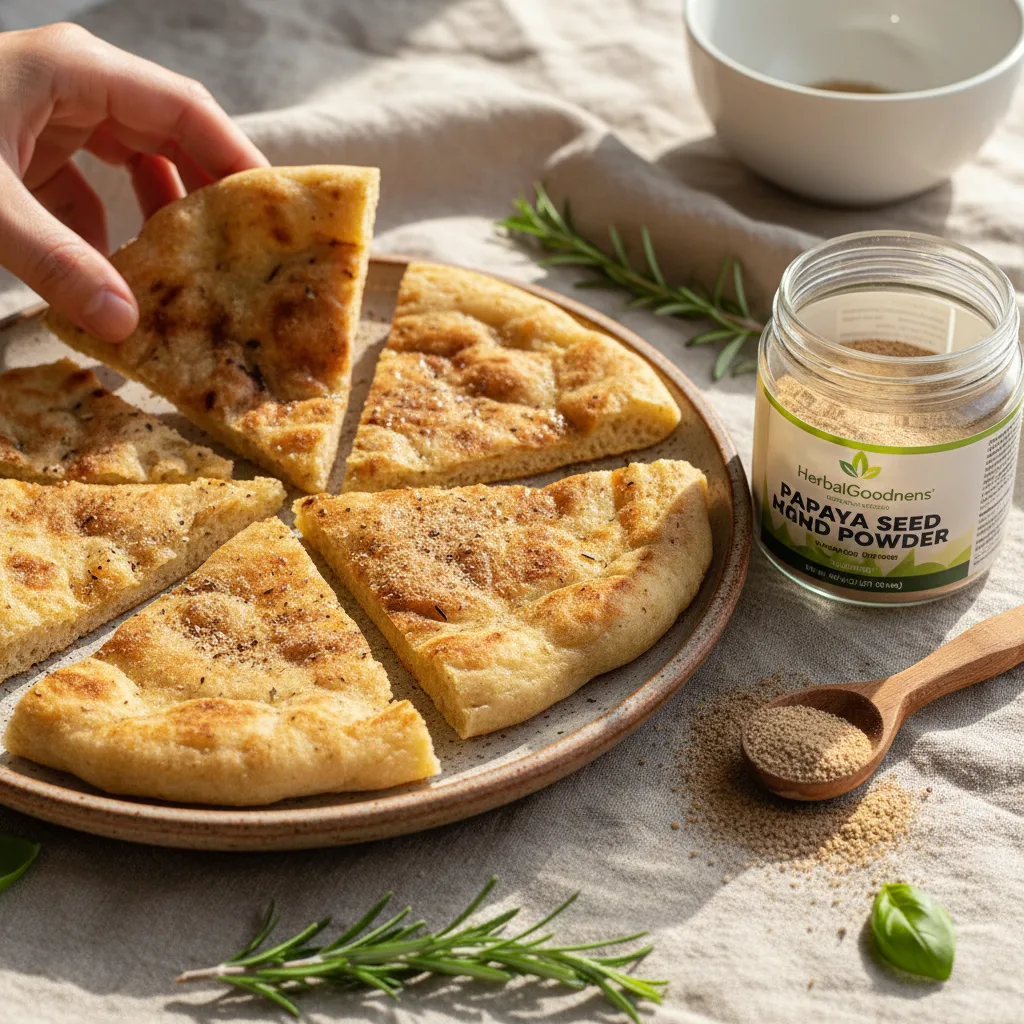
Recipe Starter: Gluten-Free Papaya Seed Crackers
- 1 cup gluten-free flour blend
- 2 tablespoons olive oil
- 1/2 teaspoon salt
- 1/2 teaspoon papaya seed powder
- 1/4 cup water Mix all ingredients into a dough. Roll thin, slice, and bake at 350°F for 15-20 minutes until lightly golden.
Tips for Working with Gluten-Free Flours
Gluten-free doughs can be dry or crumbly. Mixing in olive oil, chia gel, or flaxseed meal helps to bind ingredients. Papaya seed powder’s slightly gritty texture works well in hearty baked items or crunchy snacks.
Combining Dietary Needs: Mix-and-Match Adaptations
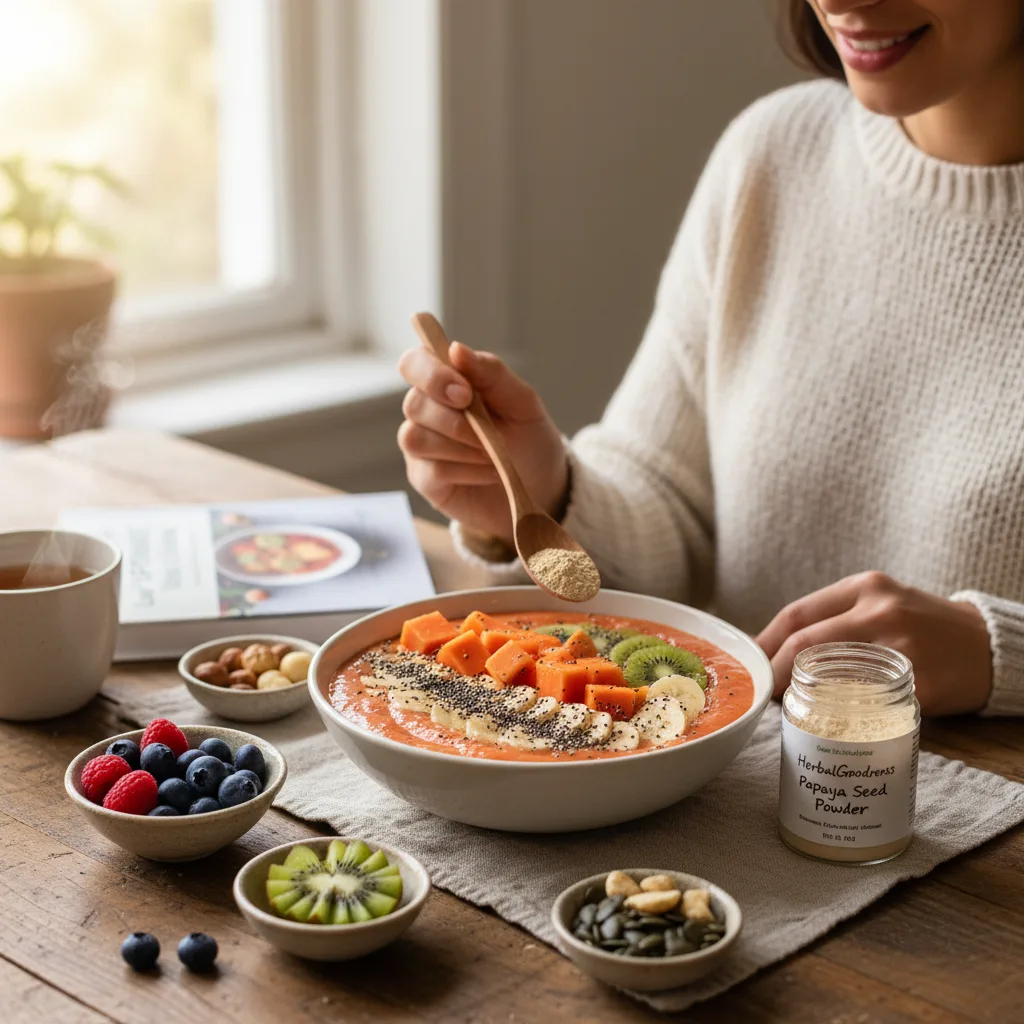
Many home cooks seek recipes that work for more than one dietary concern. Papaya seed powder adapts to most combos of vegan, low-FODMAP, and gluten-free:
- Vegan and gluten-free papaya seed crackers: Use allergen-friendly flour and a plant-based binder such as flax egg
- Low-FODMAP and vegan dips: Blend papaya seed powder with lactose-free plant-based yogurt or pureed silken tofu
- Triple-adapted salad toppings: Toast pumpkin seeds with a dusting of papaya seed powder and smoked paprika
Pair these adaptations with Body Detox Papaya Seed | Organic 15X Liquid Extract for Gut to further your gut wellness protocol across different meals and snacks.
Creative Flavor Pairing Ideas
Papaya seed powder pairs well with:
- Lemon, lime, or vinegar for acidity
- Fresh greens and herbs
- Roasted root vegetables
- Savory nut-based or seed-based spreads
Experiment within your comfort zone to embrace the tangy, peppery notes.
Monitoring Personal Response and Preference
In any dietary journey, individual tolerance and preferences are key. Because papaya seed powder is a novel ingredient for many, consider the following approach:
- Start with small amounts (1/8 or 1/4 teaspoon in a recipe)
- Note the flavor impact and any bodily response
- Adjust frequency and portion size over time
- Document favorite recipe tweaks for easy reference If you have sensitivities or food allergies, always read labels and consult with healthcare professionals as needed.
In addition to culinary uses, some may prefer the convenience of supplements such as Blood Platelet Support with Papaya Leaf | Organic 15X Liquid Extract for comprehensive wellness support.
Easy Ways to Start Using Papaya Seed Powder
If you’re new to adapting papaya seed powder recipes, begin with simple applications that require minimal adjustment:
- Sprinkle on avocado toast with gluten-free bread
- Mix into vegan cream cheese for bagels
- Add to rice bowl dressings or spiced nut mixes
- Use as a topping for roasted or grilled vegetables
Each of these can be tailored to specific dietary needs by swapping out core ingredients, as demonstrated earlier in this guide.
For beverage lovers seeking digestive and antioxidant benefits along with their food, Organic Papaya Leaf Extract 16oz | 15X Liquid – Best Value Size makes an excellent addition to smoothies or teas.
Aligning with Conscious Cooking
Adapting recipes isn’t just about following rules; it’s about honoring preference, pleasure, and well-being at every meal. When you bring an ingredient like papaya seed powder into your kitchen, you open up new opportunities for flavor discovery and mindful eating, no matter your dietary path. Herbal Goodness encourages this curiosity and supports a personalized approach to holistic wellness through responsible ingredient selection and creative culinary expression.
Frequently Asked Questions
Question 1: Is papaya seed powder safe for all diets, including vegan, low-FODMAP, and gluten-free?
Answer: Papaya seed powder is naturally vegan and gluten-free, making it suitable for those dietary styles. It is also generally considered low-FODMAP when used in small amounts. For those needing additional digestive support, you might consider pairing it with Papaya Seed Powder Capsules 60ct or 15 Day Detox Capsules.
Question 2: How much papaya seed powder should I use in recipes for special diets?
Answer: Start with 1/8 to 1/4 teaspoon per serving when adding Organic Papaya Seed Powder 4oz to recipes. Adjust the amount based on taste preferences and digestive tolerance.
Question 3: Can I use papaya seed powder as a substitute for black pepper in low-FODMAP cooking?
Answer: Yes, papaya seed powder offers a peppery bite and can be substituted for black pepper in low-FODMAP meals. If you are seeking additional gut health options, Body Detox Papaya Seed is also worth considering.
Question 4: What are some easy vegan-friendly recipes using papaya seed powder?
Answer: Try Vegan Papaya Seed Ranch Dressing or sprinkle Organic Papaya Seed Powder 4oz over roasted vegetables and grain bowls. Combine with plant-based ingredients like silken tofu or vegan mayo for dips and sauces.
Question 5: How do I ensure my gluten-free recipes remain safe when using papaya seed powder?
Answer: Ensure all other ingredients in your gluten-free recipe are also certified gluten-free. Mixing Organic Papaya Seed Powder 4oz with gluten-free flours or breadcrumbs adds flavor safely.
Question 6: Can children enjoy recipes adapted with papaya seed powder?
Answer: Yes, but start with very small amounts due to the strong flavor. Always observe any personal sensitivities and adapt recipes as needed. Supplements like Papaya Leaf Extract 10X Capsules 600mg come in a convenient form for families interested in digestive support.
Question 7: Are there beverage options that pair well with papaya seed powder for those on restrictive diets?
Answer: Yes! Organic Papaya Leaf Tea is gluten-free and complements recipes using papaya seed powder, making for a cohesive digestive wellness approach.
Curious how papaya seed powder blends with your favorite vegan, low-FODMAP, or gluten-free recipes? Experiment with small amounts first, adjusting for taste and comfort as you refine your kitchen routines.
About the Author
Herbal Goodness Editorial Team
The Herbal Goodness Editorial Team specializes in holistic health and superfoods, blending science and nature to educate and empower our community.
References
Introducing Graviola to Young Taste Buds: Fun, Family-Friendly Flavor Exploration
Graviola in the Classroom and at Home: Creative Activities to Teach Kids About Tropical Plants


FAQs
Drinking bamboo leaf tea supports hydration, relaxation, skin wellness, and antioxidant balance.
It’s used for general body wellness, skin elasticity, hair and nail support, and overall vitality.
Yes, bamboo leaf is rich in silica and antioxidants, which promote healthy skin, strong nails, and a youthful glow.
You can find dried bamboo leaf, powder, extract, drops, oil, and bamboo leaf green tea.
Bamboo leaf is generally safe when consumed in moderation. Always consult your healthcare provider before starting any new herbal supplement.