




Papaya Leaf Extract in Traditional Animal Care: Ethnobotanical Practices for Livestock and Poultry

For generations, farmers and smallholders across Africa, Asia, and the Americas have looked to local botanicals for practical solutions in animal husbandry. Among these, papaya leaf extract holds a distinct place in traditional animal care for livestock and poultry. Understanding the nuances of papaya leaf use in ethnobotanical contexts not only preserves valuable cultural knowledge but may also inform modern approaches to holistic animal management. This article explores how papaya leaf extract has been prepared and applied, its cultural context among farming communities, and how readers can safely source and use animal-marketed products or discuss these practices with veterinary professionals.
Cultural Roots: How Papaya Leaf Became a Staple in Rural Animal Care
Papaya trees flourish in tropical and subtropical regions, making their leaves readily available to smallholder farmers and rural households. Over time, communities observed qualities in papaya leaves that made them a favored botanical for various animal management tasks. Many cultures have passed down oral traditions describing how to collect, prepare, and use papaya leaves around poultry flocks, cattle, goats, and sheep.
Oral Traditions and Community Practice
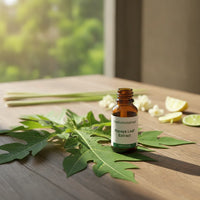
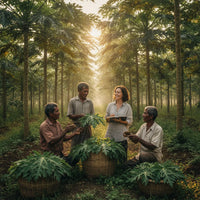
Families and neighbors commonly share community knowledge regarding papaya leaf’s applications—sometimes learned from elders or local animal healers. Stories and advice tend to include guidelines on how much leaf material to use relative to the animal’s size, the proper time of day for harvesting, and signs of good leaf quality. These practices reflect deeply rooted stewardship of animal wellbeing. Modern supplements drawing inspiration from such traditions, such as Papaya Leaf Extract - 1oz 15X Organic Liquid, capture the essence of these community methods for broader use.
Traditional Preparation Methods for Papaya Leaf Extract
Papaya leaves may be prepared for animal use in several traditional ways, each with its own intention and handling practices. While these methods don’t aim for modern clinical precision, they often emphasize freshness, purity, and respect for the animal.

Direct Chewing or Feeding
In some rural areas, especially where fresh leaves are abundant, farmers may offer newly picked papaya leaves directly to livestock. For poultry, tender leaf shreds may be mixed into mash or scattered in the foraging area. This approach values the raw, unprocessed state of the leaf. Individuals interested in a modern version of this practice may consider exploring Organic Papaya Leaf Extract 16oz | 15X Liquid – Best Value Size for use in accordance with expert guidance.
Fresh-Pressed Juice and Infusions
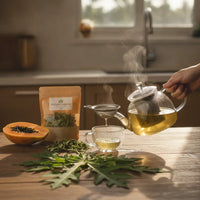
A common method is to crush or pound the fresh papaya leaves, squeezing out the bright green juice. This fresh-pressed liquid might be diluted with clean water and offered to animals, either as a drink or added to feed. Infusions—where chopped leaves steep in lukewarm or cool water—allow gentle extraction of the leaf’s components into a mild soak or drink. In regions with limited refrigeration, these infusions are often freshest when used promptly. Some routines may even parallel the ease of Papaya Leaf Tea | Organic 24 Premium Bags – Caffeine-Free as an accessible option for those interested in tea-style applications.
Sun-Drying and Powdering
In areas aiming for longer shelf life, farmers may sun-dry mature papaya leaves, then grind them into powder. This powder can be sprinkled on feed or mixed with water for larger animals. The powdered form offers extended storage capabilities if kept sealed and away from moisture. Such traditions are echoed in the convenient formats now available, including Papaya Leaf Extract 10X Capsules 600mg | Platelet & Digestive Aid for controlled use and easy integration.
Simple Decoctions
Another regional technique involves simmering chopped leaves in water over a low fire, creating a mild decoction. When cooled, the liquid is strained and offered cautiously to animals. Traditional guidelines advise against overheating or using old, wilted leaves, emphasizing "fresh and gentle" preparation.
Common Application Practices Around Livestock and Poultry
Beyond preparation, traditional knowledge specifies how and when papaya leaf extract is typically used around farm animals.
Consideration of Age and Species
Smallholders tailor papaya leaf applications to the species and age group. For example, fresh leaf shreds are smaller for chicks versus grown hens; larger livestock receive diluted forms. The goal is cautious introduction, allowing animals to become accustomed to new botanicals. When choosing supplements, clarity in dosage is provided by modern options, including Papaya Leaf Extract - 1oz 15X Organic Liquid, suitable for careful administration.
Routine versus Occasional Use
Some communities use papaya leaf extract occasionally, such as during seasonal transitions or as part of routine animal care. Others may integrate it more regularly, particularly where observation of animal wellbeing is part of daily life. Evidence-based encapsulated forms like Papaya Leaf Extract 10X Capsules 600mg | Platelet & Digestive Aid offer everyday support for those preferring standardized preparations.
Localized External Application
A few traditional practices use papaya leaf infusions for topical application—such as gentle washes for hooves or feathers—though this is less common than oral use. Where practiced, cleanliness and gentle handling are emphasized.

Community Stories: Lessons from Smallholders
Stories abound of local animal keepers describing positive results or specific rituals involving papaya leaves. For example, some recount success in maintaining the vigor of flocks during periods of environmental stress, while others detail the satisfaction of using garden-grown botanicals rather than store-bought supplements. Whether anecdotal or rooted in generations of trial-and-error, these stories form a living knowledge base that continues to inspire product development, like Organic Papaya Leaf Extract 16oz | 15X Liquid – Best Value Size.
Cultural Context and Social Transmission of Papaya Leaf Knowledge
The use of papaya leaf extract in animal care is rarely a solitary decision. Instead, it is woven into the fabric of rural life and shaped by relationships—between people, animals, and their shared environment.
Rituals, Festivals, and Seasonal Rhythms
In certain regions, papaya leaf gathering and preparation coincide with community gatherings, festivals, or agricultural milestones. This social aspect reinforces both technique and respect for tradition, providing natural opportunities for younger generations to learn by observation.
Trust and Community Validation
Observation and results drive trust in these practices. Success stories are retold and refined, while failed attempts are remembered as precautions. This feedback loop filters out less effective methods and reinforces those the community values. Modern product safety features such as clear labeling and batch tracking, present on Papaya Leaf Extract 10X Capsules 600mg | Platelet & Digestive Aid, reflect this traditional emphasis on validation and learning.
Safety and Handling for Farm and Home Use
Despite long tradition, smallholders approach papaya leaf use with care and attention to detail—values equally relevant to modern readers.
Safe Sourcing Checklist
- Harvest papaya leaves from healthy, pesticide-free trees.
- Avoid wilted, moldy, or discolored leaves.
- Gather leaves early in the day, when moisture and nutrient content are optimal.
- Wash fresh leaves thoroughly before preparation.
Responsible Preparation and Administration
- Use only enough leaf material for immediate application.
- Take note of changes in animals’ behavior or appetite.
- Avoid giving any new botanical to animals in large, unfamiliar amounts.
- Never substitute traditional remedies for professional veterinary consultation when needed.
Safe Storage Practices
- For fresh leaves, use within 24 hours or refrigerate briefly.
- Dried or powdered leaves should be stored in an airtight container, away from moisture and sunlight.
- Label preparations clearly with a name and date when possible.
- Keep all animal care botanicals out of reach of children and unintended animals.
Understanding Labels on Animal-Marketed Papaya Leaf Products
Small-scale farmers in some regions now encounter papaya leaf preparations marketed specifically for animal care, often sold in local markets or agricultural stores. Understanding label details supports both safe use and respect for traditional practice.
Key Label Elements to Check
- Ingredient list: Should identify papaya leaf as the main component, ideally with a clear botanical name.
- Preparation type: Look for terms such as "powder," "extract," or "infusion," and match these to traditional methods if possible.
- Origin: Source transparency signals reliable farm or manufacturer practices.
- Expiry date: Freshness matters for efficacy and safety.
- Instructions: Confirm that dose and administration guidelines are present and clearly written.

Red Flags to Avoid
- Unsubstantiated health claims, particularly those that guarantee specific results.
- Products that lack batch numbers, manufacturing details, or basic ingredient transparency.
- Overly processed or highly diluted products, which may not align with traditional intentions.
Practical Steps for Documenting Local Knowledge and Discussing Options with Experts
As interest grows in integrating traditional knowledge with modern animal care, documentation and open dialogue become essential.
Documenting Traditional Knowledge
- Take notes from local elders, animal caretakers, or herbalists about specific preparation and usage details.
- Record context and frequency of use, and observe outcomes where possible.
- Respect privacy and consent when sharing or publishing traditional knowledge.
Speaking with Veterinary Professionals
- Gather detailed descriptions of how papaya leaf extract is used before consulting your veterinarian.
- Be open to discussing both traditional perspectives and modern considerations.
- Provide your veterinarian with the product label or preparation method for a more informed, collaborative discussion.
Building a Bridge Between Tradition and Modern Practice
Combining ethnobotanical insights with expert guidance supports informed, respectful animal care. While modern science may not yet fully document every traditional use, engaging thoughtfully with both worlds enriches animal husbandry practices. Selecting safe, well-labeled supplements, like Papaya Leaf Extract - 1oz 15X Organic Liquid, empowers animal owners to honor heritage while upholding current safety standards.
Checklist: Sourcing, Storage, and Safe Use of Papaya Leaf for Animals
- Identify healthy, untreated papaya trees.
- Ensure correct identification of the plant and part used (leaves only).
- Prefer fresh or properly dried leaves.
- Wash before use and store correctly.
- Introduce gradually and observe animals closely.
- Keep records of use, source, and animal response.
- Consult an animal health professional with any questions or uncertainty.
By taking these steps, readers can honor tradition while supporting the animals in their care, mindful of both long-standing wisdom and contemporary safety.
Frequently Asked Questions
Question 1: How can I safely introduce papaya leaf extract to livestock?
Answer: Begin with small, diluted amounts and gradually increase as animals adapt. Use trusted sources like Organic Papaya Leaf Extract 16oz | 15X Liquid – Best Value Size and always observe animal response closely.
Question 2: What’s the best way to store dried papaya leaves for animal use?
Answer: Store dried leaves in an airtight container, away from moisture and sunlight. This mirrors the preparation behind products like Papaya Leaf Extract 10X Capsules 600mg | Platelet & Digestive Aid.
Question 3: Are commercial papaya leaf extracts suitable for animals?
Answer: Commercial extracts, such as Papaya Leaf Extract - 1oz 15X Organic Liquid, can be an option if they provide clear dosing instructions, ingredient transparency, and batch tracking for animal safety.
Question 4: What should I look for on the label of animal-intended papaya leaf products?
Answer: Check for botanical name, preparation type, origin, expiry, and clear instructions. These criteria are well illustrated by Organic Papaya Leaf Extract 16oz | 15X Liquid – Best Value Size.
Question 5: Is it possible to use papaya leaf tea for animal care?
Answer: Yes, in some cases papaya leaf tea, like Papaya Leaf Tea | Organic 24 Premium Bags – Caffeine-Free, is used by allowing the infusion to cool and administering appropriately to animals as per traditional guidelines.
Question 6: How can I document traditional papaya leaf knowledge for animals?
Answer: Take detailed notes from local practitioners and elders, record methods and outcomes, and consult with experts to complement tradition with modern veterinary advice.
Question 7: Are there modern products that follow traditional papaya leaf preparation methods?
Answer: Yes, products like Papaya Leaf Extract - 1oz 15X Organic Liquid and Papaya Leaf Extract 10X Capsules 600mg | Platelet & Digestive Aid offer convenient, standardized forms aligning with traditional uses.
If you're inspired to explore traditional papaya leaf use in animal care, start by observing local practices, recording your findings, and working collaboratively with a trusted veterinarian.
About the Author
Herbal Goodness Editorial Team
The Herbal Goodness Editorial Team specializes in holistic health and superfoods, blending science and nature to educate and empower our community.
Related Articles
How to Make Papaya Leaf Tea: Fresh, Dried, and Powdered Prep with Recipes
Kitchen‑Safe Guide: How to Make Papaya Leaf Juice for Platelets at Home
How to Compare Papaya Leaf Extract Brands: A Practical Checklist Guide
What Are the Benefits of Drinking Papaya Leaf Boiled Water? An Evidence-Aware Guide