




Organic Herbal Tea Drying Methods: What Buyers Should Know

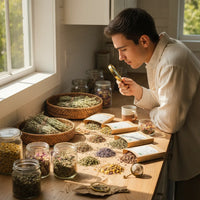
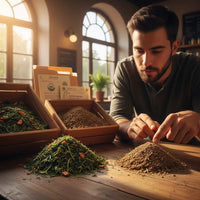
Organic herbal tea is renowned for its enticing aroma, rich flavors, and nourishing plant compounds. But how do leaves and flowers move from the garden to your cup while retaining these qualities? A key part of the answer lies in the drying process. The way herbs are dried profoundly influences their sensory properties, shelf stability, and even their environmental impact. This beginner-friendly guide breaks down the primary drying methods for organic herbal teas—sun drying, shade drying, solar tunnels, and industrial dehydrators—explaining their role in crafting exceptional infusions and what thoughtful consumers can ask about a brand’s processing practices.
Why Does the Drying Method Matter for Herbal Teas?
Herbal teas—whether crafted from leaves, petals, roots, or seeds—must be properly dried to transform fresh botanicals into shelf-stable blends. The method used can affect:
- Flavor and Aroma: The speed, temperature, and airflow all shape the preservation or degradation of essential oils, compounds, and subtle notes.
- Shelf Life: Effective removal of moisture helps prevent spoilage, keeping teas usable for months or years.
- Visual Appeal: Gentle drying can retain vibrant colors, while harsh methods might cause browning or fading.
- Nutrient Retention: Sensitive plant compounds may break down more rapidly at higher temperatures or with prolonged exposure to light.
- Environmental Impact: The energy used or saved during drying can be a concern for environmentally minded buyers.
Understanding these differences can guide you in choosing teas that align with your taste preferences and values. If you’re looking for high-quality teas or looking to craft DIY blends, our Bulk Herbs collection can be a valuable resource, as the drying process of their organic bulk botanicals supports both aroma and potency.
Sun Drying: Traditional, Natural, and Accessible
What Is Sun Drying?
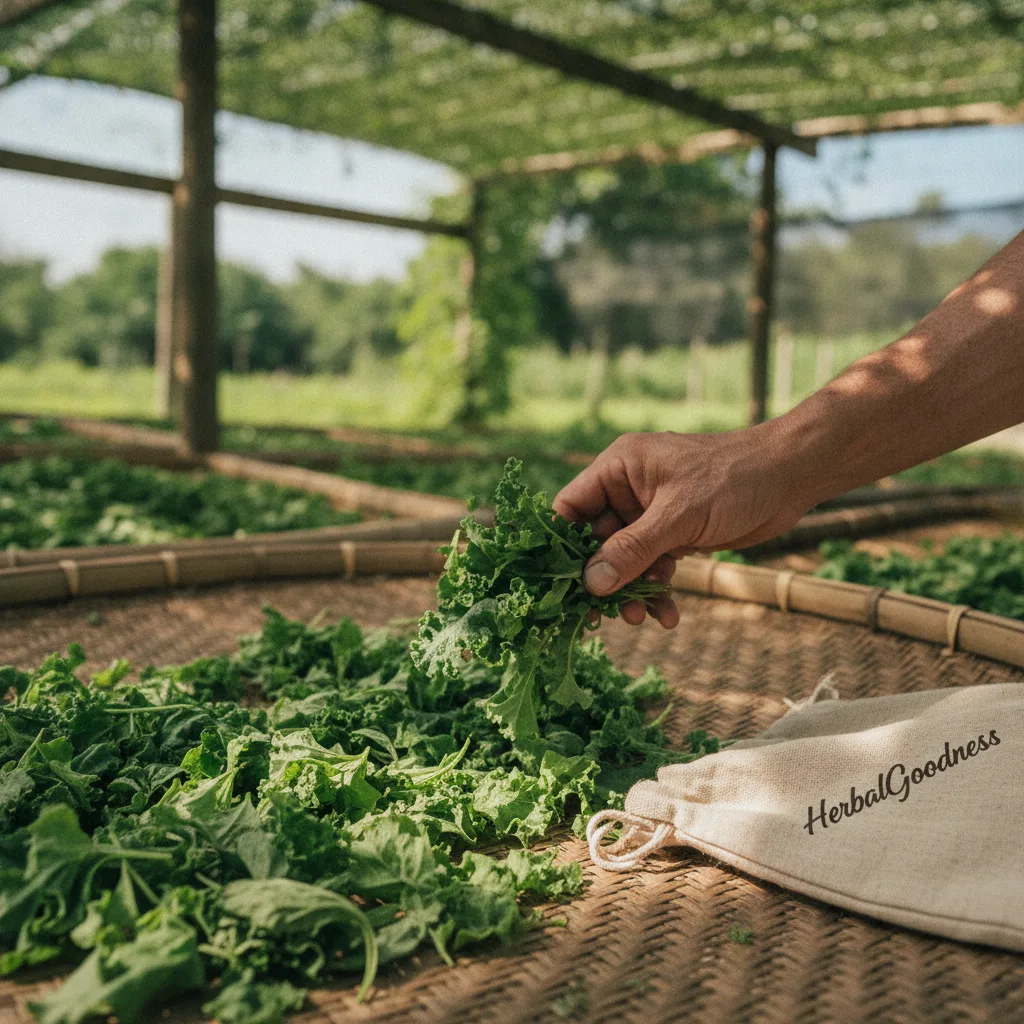
Sun drying is one of the oldest ways to preserve herbs. After harvesting, botanicals are spread out in thin layers on clean, elevated racks, cloths, or mesh screens and set in direct sunlight. This simple approach harnesses the sun’s heat and light to evaporate moisture over several hours to several days.
How Sun Drying Impacts Tea
- Flavor and Aroma: Sun-dried herbs may develop a lighter, more mellow flavor profile. Some subtle aromatic notes may be lost due to direct UV exposure.
- Shelf Life: The process can be inconsistent, especially if humidity is high or sunlight is variable, so careful monitoring is needed. Well-dried herbs, however, can store well.
- Color and Appearance: Bright sunlight may fade the natural color of herbs, sometimes resulting in a paler infusion.
- Sustainability: No artificial energy is required, making sun drying appealing from a low-carbon perspective. However, weather dependency may increase spoilage risk and limit scalability.
If sourcing your herbs for home blending, keep in mind brands that prioritize natural sun drying—this can be a vote for sustainability while supporting great taste. Safety and cleanliness remain critical, so always check with suppliers about their drying practices.
Sun Drying: What to Ask Manufacturers
- Where and how are herbs laid out for sun drying?
- How do you protect herbs from contamination and overexposure?
Shade Drying: Gentle Preservation of Delicate Qualities
What Is Shade Drying?
Shade drying involves spreading or hanging fresh herbs in well-ventilated, shaded spaces. These areas are protected from direct sunlight but still benefit from air circulation and mild warmth, sometimes with a gentle breeze provided by open windows or fans.
Benefits and Influences
- Flavor and Aroma: Shade drying is favored for preserving finer aromas and delicate flavors. Less exposure to UV rays means volatile compounds are retained.
- Shelf Life: Shade-dried herbs achieve a consistent moisture level, reducing the risk of mold while maintaining delicate textures.
- Appearance: Natural colors are often more vibrant compared to sun-dried equivalents.
- Environmental Footprint: Like sun drying, shade drying typically requires minimal energy aside from manual labor and ventilation.
Consumers interested in vibrant, aromatic teas can look for suppliers who use shade drying for particularly aromatic or fragile botanicals. This ensures delicate flavors and natural hues are preserved, especially in loose blends available in our Bulk Herbs collection.
Shade Drying: Consumer Considerations
- Do you use shade drying for particularly aromatic or fragile botanicals?
- What steps are taken to ensure adequate airflow?
Solar Tunnel Drying: Blending Tradition and Innovation
What Is Solar Tunnel or Solar Dryer Drying?
A solar tunnel dryer is a more advanced version of sun drying, using a clear or semi-transparent tunnel structure to capture solar energy. Herbs are placed inside these controlled tunnels where the temperature and humidity can be more carefully regulated. This method finds an ideal balance between sustainability and process control, much like the careful selection process for top-quality botanicals found with Bone & Joint 15X Liquid Extract | Natural Joint & Bone Wellness Support where ingredient integrity is paramount.
Key Features and Effects
- Flavor and Aroma: More even temperatures and protection from wind, rain, and insects allow for greater consistency and careful retention of flavor compounds.
- Shelf Life: The enhanced control reduces the risk of uneven drying or partial spoilage found in direct sun drying.
- Color and Nutrients: Tunnels offer some protection from direct sunlight, better preserving color and sensitive plant components.
- Eco-Friendliness: Solar dryers use renewable energy, making them a sustainable choice for small-batch organic tea production.
Using a solar tunnel dryer helps protect botanical colors and aromas, a benefit also relevant for wellness blends like Belly Bliss Liquid Extract | Natural Digestive Support & Gut Comfort, which rely on naturally preserved plant compounds for effectiveness.
Solar Drying: What to Inquire About
- Are all batches fully dried and regularly checked inside the tunnel?
- How is air exchange or ventilation managed?
Industrial Dryers: Precision and Scalability
What Are Industrial Dehydrators (Mechanical Dryers)?
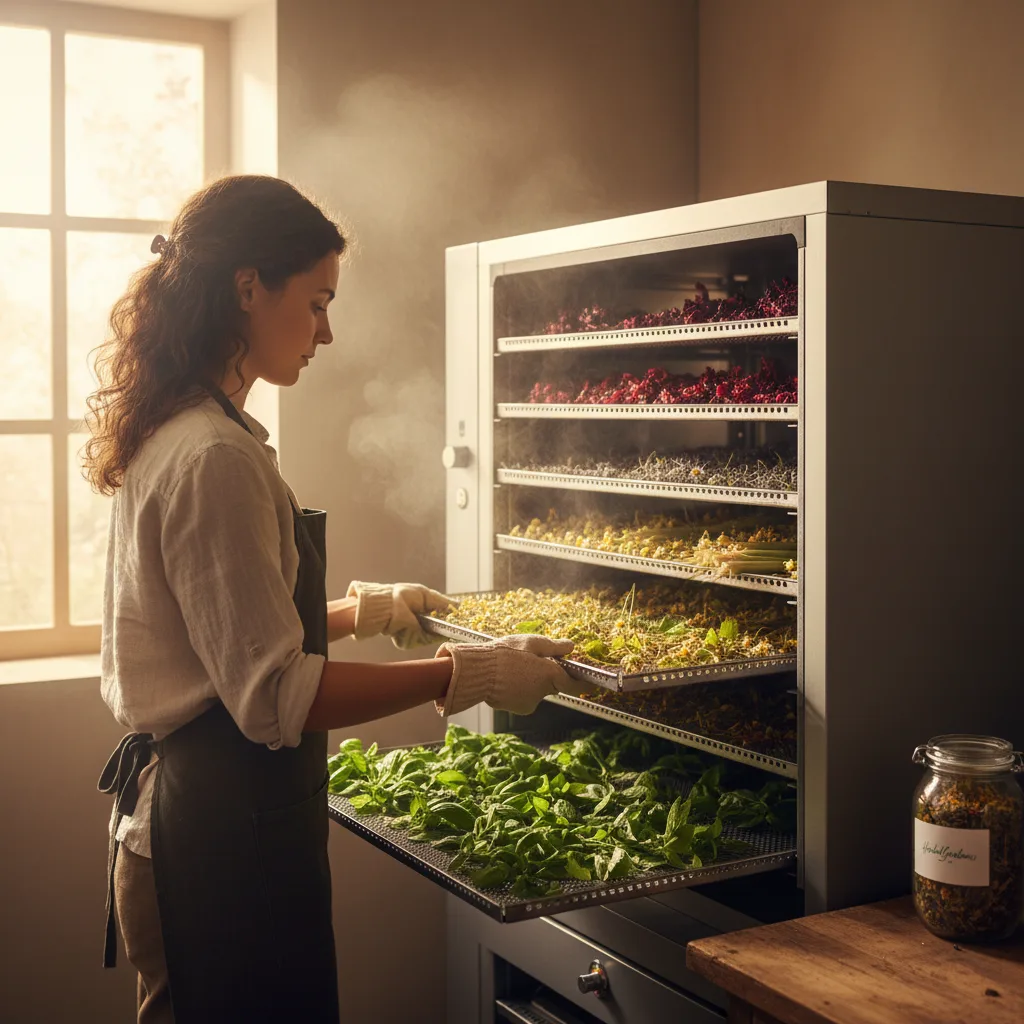
Industrial or commercial dryers use electric or gas-powered heat, controlled airflow, and precise timing to rapidly remove moisture from herbs and botanicals. These systems include chamber dryers, conveyor belt dryers, or fluidized bed dryers.
Industrial Drying: Flavor, Aroma, and Consistency
- Flavor and Aroma: When expertly managed, mechanical dryers can quickly dry herbs at carefully set temperatures, preserving both aroma and shape. However, excessively high heat can lead to loss of subtle flavors or certain plant compounds.
- Shelf Life: Industrial drying generally results in very low, consistent moisture, maximizing shelf stability and safety.
- Visual and Sensory Qualities: Color can remain bright if temperatures are moderate; some methods may cause browning if not carefully managed.
- Environmental Cost: Mechanical drying demands significant energy. Brands dedicated to sustainability might offset this with renewable power or efficiency upgrades.
When evaluating a supplement such as Bone & Joint 15X Liquid Extract | Natural Joint & Bone Wellness Support or a detox formula like Bitter But No Crap - 2fl.oz - Detox & Cleanse, inquiring about the drying method behind each herbal ingredient helps you choose products that maintain maximum potency and safety.
Questions for Brands Using Industrial Dryers
- What temperatures and durations are typical for your major ingredients?
- Are steps in place to prevent overheating or over-drying?
- Do you use renewable energy to power dehydration equipment?
How Drying Choices Affect Herbal Tea Quality, Cost, and Ecology
Each drying method brings its own compromises and strengths.
- Sun and Shade Drying: Best for traditionalists and those seeking low-impact, eco-friendly processes. However, these are less predictable and may command higher prices due to increased labor.
- Solar Tunnels: Offer a blend of sustainability and control, ideal for artisan or small-batch teas.
- Industrial Dehydrators: Enable consistent, scalable production with precise quality, but may have a larger carbon footprint without renewable energy investments.
Choosing bulk tea ingredients that have clear information about their processing can be a great way to ensure that both quality and environmental values are met. Carefully sourced digestives—such as Belly Bliss Liquid Extract | Natural Digestive Support & Gut Comfort—often spotlight the gentle methods used to preserve sensitive compounds.
Making Informed Choices
Sophisticated buyers—whether sourcing for themselves or a small shop—can request details about how their favorite organic herbal teas are dried. Sometimes, brands like Herbal Goodness highlight their commitment to careful handling, whether through eco-friendly sun or shade drying or by using advanced, energy-conscious dehydration equipment.
The craft of drying does not only influence practical concerns like shelf life and safety—it also honors the plant’s delicate complexity, amplifying the plant’s best qualities all the way from field to cup.
Key Questions for Buyers: Elevate Your Herbal Tea Experience
When considering a new organic herbal tea, thoughtful questions can help clarify how a product’s drying method aligns with your values:
- Which drying method is used for this particular tea?
- How does the brand ensure cleanliness and hygiene during drying?
- Is the energy for drying sourced sustainably?
- How are batches monitored for quality and consistency?
- Are flavors, colors, or aromas adjusted naturally, or are any additives involved after drying?
Staying informed as you explore new blends—whether for relaxation, digestion, or joint support—means you’re choosing herbal teas that best match your health and sustainability goals. Opt for our Bulk Herbs collection for versatile brewing, or explore targeted wellness options to round out your pantry.
The Role of Transparency in Herbal Tea Sourcing
Transparency in processing—especially drying—reflects a brand’s overall dedication to quality, safety, and environmental stewardship. Whether through educational labeling, open supplier communication, or third-party certifications, trustworthy producers equip buyers to make discerning decisions.
As the herbal tea market grows, an understanding of how your favorite brews are dried can help you savor each cup with greater confidence and enjoyment.
Frequently Asked Questions
Question 1: How can I tell if a herbal tea uses gentle drying methods?
Answer: Look for detailed product information from suppliers that mention sun drying, shade drying, or solar tunnel processes. For example, our Bulk Herbs collection highlight careful processing.
Question 2: Why does the drying process affect the nutritional quality of herbal tea?
Answer: Gentler drying—like shade drying or regulated solar tunnels—helps retain sensitive plant compounds, protecting antioxidants, aromas, and colors. Some methods used for supplements such as Bone & Joint 15X Liquid Extract | Natural Joint & Bone Wellness Support prioritize nutrient retention for enhanced wellness effects.
Question 3: Can industrial drying be eco-friendly?
Answer: Yes. Brands can choose renewable energy to power commercial dehydrators. When looking for sustainably processed products (including those for gut health like Belly Bliss Liquid Extract | Natural Digestive Support & Gut Comfort), look for disclosures about their energy sources.
Question 4: Is bulk tea better than pre-packed blends for freshness?
Answer: Bulk tea gives you more control over storage and portioning. When sourced from responsible brands, products such as our Bulk Herbs collection can offer excellent freshness thanks to optimal drying practices.
Curious about how your favorite herbal teas are processed? Inquire directly with your supplier about their drying methods for greater confidence in your next cup.
About the Author
Herbal Goodness Editorial Team
The Herbal Goodness Editorial Team specializes in holistic health and superfoods, blending science and nature to educate and empower our community.
Related blogs:
Dropper Math: Comparing Strength, Serving Size & Cost for Mullein Drops
Oregano Oil Under the Tongue: Safe Sensory Guide for Beginners
Free Herbal Tea Samples: A Beginner’s Guide to Tasting, Comparing, and Choosing Clean Teas
Ashwagandha Powder vs. Liquid: Reading Labels & Converting Servings
Detox Supplement Capsules Buy Now: Understanding Search Intent & Responsible Research
Kid-Friendly Herbal Supplement Drops: How to Find and Choose Locally
Papaya Seed Capsule Reviews: How to Evaluate Online Listings with Confidence
Ashwagandha Daily Serving Sizes: Understanding Dosage, Forms & Labels