





Mullein Leaf: Traditional Uses, Preparation Methods, and Choosing Quality Products

For centuries, mullein leaf has attracted attention in various cultures for its versatile applications in herbal practices. With its distinct velvety foliage and tall flowering stalks, mullein has found a place in both folklore and daily life, especially in rituals and routines related to the respiratory system. For those interested in exploring plant-based options, understanding the history, proper identification, traditional preparations, and methods for selecting trustworthy mullein products is essential. This guide brings together historical insight, practical preparation advice, and useful tips for confident shopping—all focused on the educational aspects of mullein leaf.
Recognizing Mullein: Botanical Identification and Natural Habitat
Mullein (Verbascum thapsus) is a biennial plant distinguished by its soft, fuzzy leaves and tall central flower spikes. The basal leaf rosette remains low to the ground during the first year, then in the second year the flower stalk can reach over six feet and blossom with clusters of yellow blooms. Its silvery-green leaves, covered in delicate hairs, are one of the plant's signature traits and help with quick identification in the wild.
Mullein is native to Europe and Asia but has now become widespread across North America and other temperate regions. Its adaptability to disturbed soils, roadsides, meadows, and sunny spaces means it can thrive even in poor soil conditions, making it a resilient presence in both rural and urban landscapes.
A Historical Perspective: Mullein Leaf Across Cultures
Throughout history, mullein's story has crossed continents and been woven into different cultural traditions. In ancient Europe, mullein stalks were transformed into torches after being dipped in tallow or wax. Some accounts suggest its Latin-derived name, from 'mollis' (meaning soft), reflects the plant’s tactile softness. Native American communities incorporated mullein into rituals and holistic routines, valuing its properties and sensory experience. In Asian herbalism, references to mullein can be found in historical texts, where it features as an aromatic or in steam infusions.
Such consistent appearances in both written and oral tradition highlight mullein’s deep roots in the context of well-being and routine use.
Popular Herbal Preparations Using Mullein Leaf
One of the most accessible ways to benefit from mullein is via a warm, soothing cup of tea. Preparation typically involves steeping 1–2 teaspoons of dried mullein leaf in hot water for 10–15 minutes, then straining through a fine mesh to prevent the ingestion of the fine leaf hairs. This precaution enhances the smoothness and enjoyment of the beverage. For a convenient approach, consider using Mullein Leaf Tea - Organic 24 Tea Bags - Respiratory & Lung, which provides carefully pre-measured servings for a consistent, quality cup every time.
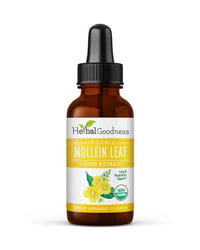
Those looking for a more concentrated extract may opt for Mullein Leaf - Organic 15X Liquid Extract - Respiratory & Lung Health. This tincture format enables users to access the plant’s properties in a versatile, dropper-administered liquid, ideal for blending with water or other beverages as part of a custom routine.
Steam infusions, another classic preparation, utilize several tablespoons of dried mullein leaf placed in a heat-safe bowl. When hot water is added, the aromatic steam released can become part of mindful breathing exercises. Take care to always drape a towel loosely over your head, and keep a safe distance from the hot bowl. Ready-to-use dried mullein leaves or blends such as Bulk Herbs & Roots - Organic 4oz Bags - Herbal Tea can provide the needed raw material for these infusions.

Decoding Labels: How to Choose Quality Mullein Products
Navigating the herbal marketplace requires savvy label reading. Begin by ensuring the presence of the botanical name, Verbascum thapsus, which confirms the product’s authenticity. High-quality options, like Mullein Leaf Tea - Organic 24 Tea Bags - Respiratory & Lung, will specify organic or wildcrafted sourcing and the absence of unnecessary additives. Batch numbers, expiration dates, and third-party certifications are further hallmarks of transparency and quality.
Sourcing transparency remains vitally important. Trusted suppliers willingly provide insight into ingredient origins and processing, empowering consumers to make well-informed decisions about what they introduce into their routines.
Practical Safety Considerations When Exploring Mullein Leaf
When preparing teas or infusions, always use fine mesh strainers or cheesecloth to remove lingering leaf hairs. If you prefer the simplicity and safety of commercial blends, look for products like Mullein Leaf - Organic 15X Liquid Extract - Respiratory & Lung Health, which are filtered and measured for consistent dosing. As with any new botanical, start with smaller servings if you have a history of plant sensitivities.
For further support of a gentle daily routine, combining mullein with other herbs such as peppermint or thyme is popular among herbalists, though compatibility and taste should be checked with each new blend. If seeking additional respiratory support, Lungs and Respiration - 15X Liquid Extract - Respiratory provides an herbal blend crafted to complement an established wellness regimen.
If you’re considering using multiple types of botanicals or are new to mullein preparations, consult a knowledgeable herbal specialist for advice tailored to your needs.
Mullein in Modern Herbal Practices: Ongoing Appeal
Mullein’s adaptability and gentleness ensure it remains a sought-after part of herbal routines. Its use spans soothing teas, concentrated tinctures, and even as an ingredient in natural skincare. Products like Bulk Herbs & Roots - Organic 4oz Bags - Herbal Tea offer convenient options for users wishing to create their own custom infusions at home, supporting a hands-on and sustainable approach.
A growing emphasis on ethical harvesting helps to protect mullein stands for future foragers and herbalists. When evaluating sources, choose suppliers who advocate for sustainable growing practices and support ethical wildcrafters. Products with clear sustainability practices contribute to the preservation of this valuable plant resource.
Expert Tips for Incorporating Mullein Into Your Herbal Routine
Starting with Mullein Leaf Tea - Organic 24 Tea Bags - Respiratory & Lung allows you to become familiar with mullein’s aroma, flavor, and effects in a controlled way. Keep a journal to note your preferences and observations, and gradually explore other forms like extracts and steam infusions. For maximum variety and exploration, Bulk Herbs & Roots - Organic 4oz Bags - Herbal Tea provide ample material for blending with other botanicals.
Blending mullein with herbal partners such as peppermint or thyme can boost aromatic complexity. Those wishing to further expand their daily wellness practice with respiratory support may benefit from options like Lungs and Respiration - 15X Liquid Extract - Respiratory, which leverage time-honored plant combinations.
Reading Beyond the Hype: Becoming a Savvy Mullein Consumer
Cultivating knowledge before purchasing is the best safeguard in the dynamic herbal marketplace. Evaluate supplier reviews, check for educational resources, and connect with reputable herbal societies to deepen your understanding. With discernment and curiosity, your mullein journey becomes more rewarding, empowering you to make choices rooted in tradition and informed by modern standards.
Ready to explore mullein leaf for your herbal practice? Browse our range of carefully sourced mullein teas, tinctures, and dried leaves, and experience the quality difference. For guidance on choosing the right product or preparation method, connect with our knowledgeable team today—start your botanical journey with confidence!
FAQs:
- What is mullein leaf and how is it traditionally used?
Mullein leaf comes from the Verbascum thapsus plant and is recognized for its soft texture and tall flower spikes. It has been valued in herbal practices across cultures, featuring in teas, tinctures, and steam infusions as part of various traditional routines.
- How do you prepare a basic mullein tea at home?
Steep 1–2 teaspoons of dried mullein leaf in hot water for 10–15 minutes, then strain thoroughly using a fine mesh to remove leaf hairs. Enjoy the tea warm or chilled as part of a calming ritual.
- What should you look for on a mullein product label?
Check for the botanical name (Verbascum thapsus), organic or wildcrafted sourcing, absence of artificial additives, clear harvesting or expiration dates, and batch numbers for product transparency.
- Can mullein be used with other herbs?
Mullein pairs well with gentle botanicals like peppermint or thyme, often forming aromatic blends. It's best to ensure the combination suits your preferences and consult an herbal specialist if new to blending.
- Are there any safety steps to keep in mind with mullein leaf?
Proper straining is important to remove fine leaf hairs, and those with plant sensitivities should start slow. Consult an herbal expert before introducing new herbs into your daily routine.
- Where does mullein commonly grow?
Mullein thrives in open, sunny spots like meadows, roadsides, and disturbed soils in Europe, Asia, North America, and other temperate regions worldwide.
- How can I ensure the mullein I buy is sustainably sourced?
Look for brands that highlight sustainable harvesting practices, cultivate mullein responsibly, and support ethical wildcrafters and farmers.
Author Name:
Herbal Goodness Editorial Team
Author Bio:
The Herbal Goodness Editorial Team specializes in holistic health and superfoods, blending science and nature to educate and empower our community.
References:
Introducing Graviola to Young Taste Buds: Fun, Family-Friendly Flavor Exploration
Graviola in the Classroom and at Home: Creative Activities to Teach Kids About Tropical Plants