





Immune and Cleanse Duo Ingredients: Retail Guide for Effective Herb Pairings

Curating the right immune and cleanse duo products for your retail shelves begins by understanding consumer interest and the art of assembling effective, compliant herb pairings. While wellness shoppers have long valued botanicals traditionally appreciated for supporting the body’s natural resilience and internal balance, well-curated duos that feature immune and cleanse ingredients in thoughtful formats offer further engagement without overstating benefits. This guide will help retailers select complementary categories, formats, and create in-store experiences that inform and inspire – all while maintaining regulatory compliance.
Understanding Why Immune and Cleanse Duos Resonate with Shoppers
Wellness shoppers are increasingly informed and curious. They seek botanical products that align with seasonal needs, support day-to-day vitality, or aid in routine internal balance. Immune and cleanse duo offerings tap into this demand, pairing botanicals commonly recognized for their traditional uses. These duos simplify the shopping experience, meet customer curiosity, and encourage regular engagement with herbal aisles.
For a ready-made option that aligns with these principles, explore our Immune & Cleanse Duo - 1oz – Herbal Cleanse & Daily Wellness Support thoughtfully curated for daily herbal routines and retail-friendly presentation.
Shopper Motivations for Duo Solutions
- Convenience: Shoppers appreciate pre-curated pairings, saving them research and guesswork.
- Education: Clear communication about ingredient traditions builds trust.
- Routine Building: Duos promote easy habits for those seeking balanced herbal support.
- Exploration: New pairings may expose shoppers to botanicals they hadn’t previously considered.
Pairing Botanical Categories: A Guide for Retailers
Selecting which botanicals to feature in immune and cleanse duos is central to curating an effective section. Focus on ingredients with a rich history of use for resilience and gentle internal cleansing, then clarify their roles for consumers.
Pairings of immune-supporting ingredients like graviola and soursop leaves with cleansing agents such as papaya seed or dandelion root bridge both demand and tradition. For instance, consider combining soursop-based options with targeted cleansers: Soursop Leaf Graviola Extract - - Organic 15X Liquid Extract - Cell Renew & Immunity and Papaya Seed Powder - Organic 4oz Bag - Colon & Gut Cleanse provide a classic, compliant herbal wellness duo that embraces historical use.
Key Considerations for Ingredient Pairing
- Tradition: Highlight ingredients long valued in herbal traditions for immune or cleanse support.
- Synergy: Combine botanicals whose traditional uses complement each other in routine wellness.
- Transparency: Display ingredient origins and benefit profiles in a non-claiming, educational manner.
- Sourcing Standards: Use suppliers like Herbal Goodness who value quality, traceability, and ethical sourcing.
Common Botanical Category Examples
- Immune Section: Botanicals traditionally appreciated for supporting the body’s natural defenses.
- Cleanse Section: Herbs associated with gentle internal refreshment, often used as part of seasonal resets or daily rituals.
Product Formats: Maximizing Consumer Accessibility
Modern shoppers expect a variety of application formats, each catering to different preferences, routines, or levels of familiarity with herbal products. Creating duos across multiple formats increases access and retail engagement.
Papaya Leaf Extract 16oz – Organic 15X Liquid Papaya Leaf Herbal Supplement offers an example of how a traditional cleansing ingredient can be merchandised in liquid form. Meanwhile, teas remain popular for their ritual aspect, visual appeal, and approachability. For immune-focused duos, Soursop Leaf Tea Graviola Leaves - Organic 24/2g Tea Bags - Immunity & Cell Renew creates compelling opportunities for in-store sampling and education.
Popular Herbal Product Formats Explained
- Teas: Infusions that offer a ritualistic, approachable entryway and visually engaging merchandising.
- Liquid Extracts or Tinctures: Concentrated, convenient format for customers seeking quick delivery.
- Powders: Versatile and often suitable for smoothies or wellness drinks.
- Capsules: Discreet, portable, and ideal for busy lifestyles or travel purchases.
Shelf Planning Tip:
Group formats together on shelves for easy navigation (e.g., dedicated ‘Drinkables,’ ‘Quick Support,’ or ‘On-the-Go’ signage).
Creating Clear and Compliant Shelf Signage
Sound communication is essential—especially in categories as nuanced as botanicals for immune and cleanse routines. Effective signage guides shoppers, educates without health claims, and protects the retailer’s compliance position.
Retailers looking for an easy-to-merchandise solution can also feature our Immune & Cleanse Duo - 1oz – Herbal Cleanse & Daily Wellness Support as part of bundle displays or checkout promotions.
Educational Messaging Without Health Claims
- Focus on plant origin, tradition, and preparation method.
- Use compliant phrasing: “Traditionally used for…” or “Long valued by wellness seekers for…”
- Avoid medical or condition-specific wording.
- Suggest usage context rather than outcomes (e.g., “A supportive addition to daily herbal routines”).
Example Signage Phrases
- “Explore herbal ingredients traditionally valued for resilience and balance.”
- “Discover cleanse botanicals for your daily wellness rituals.”
Engaging Staff: Talking Points and Knowledge Sharing
Empowering staff with the right language and educational framework transforms them into confident wellness guides. Encourage staff to speak about tradition, ingredient sourcing, preparation, and responsible use—always without making any disease or medical claims.
Staff Talking Points
- “This duo features herbs long valued for supporting the body’s natural processes.”
- “All our herbal pairings spotlight classic traditions—ask me about sourcing or how to use these products.”
- “Many customers enjoy these combinations as part of their seasonal or daily rituals.”
Education Best Practices
- Host brief, monthly in-store education sessions on ingredient backgrounds and safe, appropriate product format uses.
- Distribute compliant customer handouts that highlight ingredient traditions instead of claims.
Creating In-Store Experiences: Sampling and Merchandising
Sampling and interactive merchandising breathe new life into immune and cleanse duo launches. Sensory engagement builds shopper confidence, while hands-on education deepens trust and boosts word-of-mouth referrals.
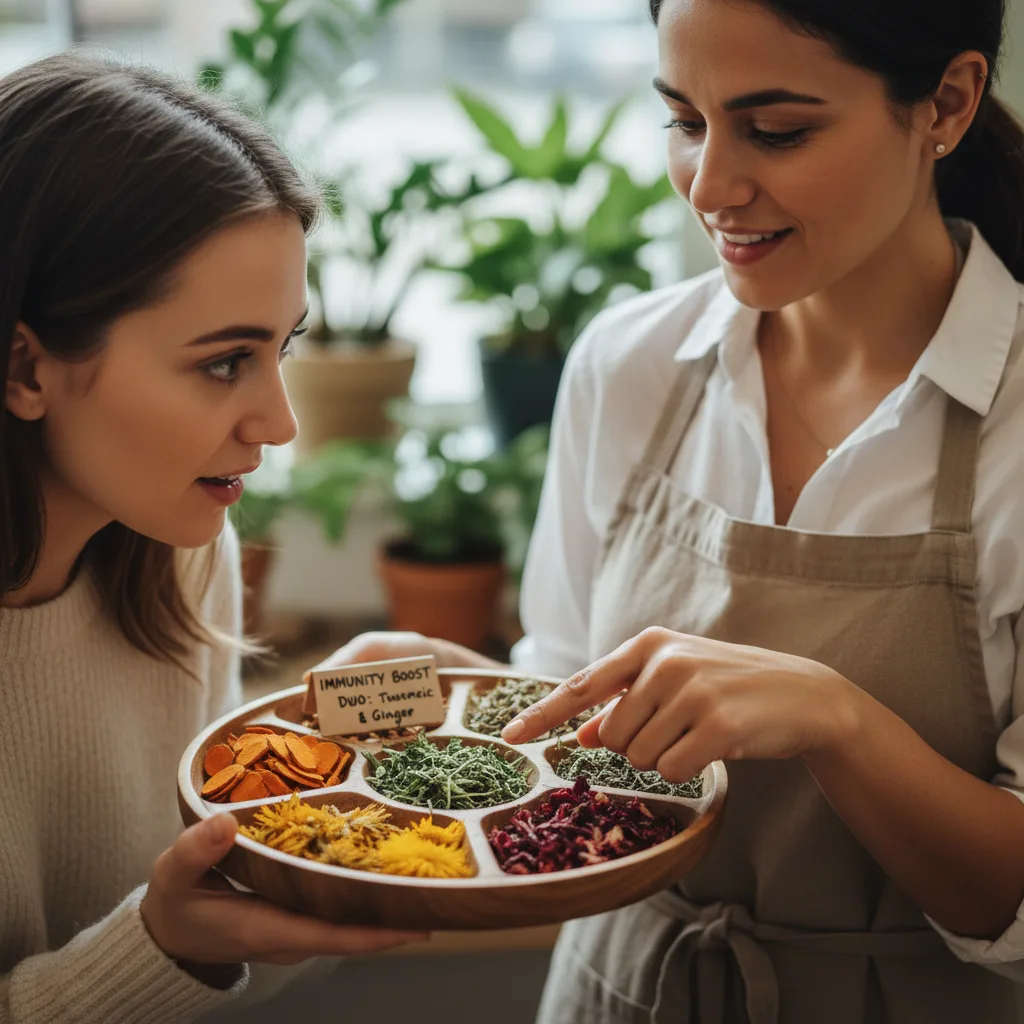
Sampling Strategies
- Tea Tastings: Host regular tastings with simple “Flavor” and “Tradition” cards, never medical language.
- Demo Days: Let shoppers try powders added to wellness beverages in-store.
- Tincture Drops: Offer micro-samples with ingredient origin information sheets.
Merchandising Tips for Cross-Promotion
- Use bundle baskets or shelf talkers to feature matched pairs.
- Highlight product format variety within duo sets (e.g., tea + capsule or extract + powder).
- Build a “Start Your Duo Ritual” display near checkout or seasonal wellness sections.
For shoppers seeking comprehensive cleansing routines, 15 Day Detox Capsules 60ct (600mg) – Natural Detox & Cleanse Supplement can be promoted alongside teas or liquid extracts for an accessible, balanced supplementation pathway. Products like Soursop Leaf Graviola Extract - - Organic 15X Liquid Extract - Cell Renew & Immunity work well for immune balancing, enabling compelling cross-promotions within duo displays while clearly distinguishing between tradition and proven function.

Educating Shoppers While Remaining Compliant
Customers are increasingly savvy and appreciate brands and retailers who champion transparency, sourcing, and traditional knowledge. Herbal Goodness, for example, is known for their commitment to high standards, which reassures discerning shoppers. However, all communication and education—whether on the shelf, in conversation, or in print—must align with regulations and never cross into medical or disease-related territory.
Helpful Shopper Education Techniques
- Use customer stories about routines or preparation techniques (never outcomes).
- Reference traditional uses and plant histories.
- Make clear distinctions between “commonly appreciated” and proven outcomes.
- Encourage readers to consult trusted resources or wellness practitioners for questions beyond product description.

Incorporating a rotated selection of Papaya Seed Powder - Organic 4oz Bag - Colon & Gut Cleanse or 15 Day Detox Capsules 60ct (600mg) – Natural Detox & Cleanse Supplement reinforces your commitment to providing accessible, comprehensible cleanse support, while Soursop Leaf Tea Graviola Leaves - Organic 24/2g Tea Bags - Immunity & Cell Renew stands out in the immune support category with both educational and sampling opportunities.
Summary: Curating the Perfect Immune and Cleanse Duo for Retail Success
When curated with careful intention and compliant practices, immune and cleanse duo ingredients become powerful drivers for retail traffic and customer satisfaction. By selecting complementary botanicals, offering varied product formats, providing educational signage, and empowering staff to share appropriate talking points, retailers can create a trustworthy, engaging, and inspiring wellness destination. Through practices modeled by brands like Herbal Goodness, retailers can elevate the herbal shopping journey—meeting the needs of curious, health-conscious shoppers with integrity and care.
Ready to elevate your herbal retail experience? Explore more expertly curated immune and cleanse duo options and stay updated with the latest in compliant wellness education.
FAQs:
- What is an immune and cleanse duo in retail herbal products?
An immune and cleanse duo in retail consists of paired herbal products traditionally valued for supporting the body’s natural resilience and gentle internal balance, often presented together to simplify choices for wellness shoppers.
- How can retailers choose the best botanical pairings for immune and cleanse duos?
Retailers should focus on herbs with longstanding traditional use for immune or internal cleansing routines, ensuring they provide transparent ingredient sourcing and compliant, educational messaging without health claims.
- What product formats work best for immune and cleanse duos?
Popular formats include teas, liquid extracts or tinctures, powders, and capsules. Offering a variety allows shoppers to select what fits their routine or preference.
- How can shelf signage remain informative without making health claims?
Use language focused on ingredient tradition, origin, and preparation, such as ‘long valued’ or ‘traditionally used,’ while avoiding any condition- or outcome-based terms.
- What are some effective merchandising strategies for these herbal duos?
Utilize sampling events, cross-promotional displays, and clear format groupings. Promote through educational staff conversations that highlight tradition and routine building.
- How should staff talk to shoppers about these products?
Staff should emphasize sourcing, traditional uses, and preparation techniques, avoiding any discussion of health outcomes or medical claims.
- Why do shoppers gravitate towards immune and cleanse duos?
Many shoppers value convenience, educational support, and the chance to build easy daily or seasonal wellness routines with products that have a foundation in traditional botanical use.
Author Name:
Herbal Goodness Editorial Team
Author Bio:
The Herbal Goodness Editorial Team specializes in holistic health and superfoods, blending science and nature to educate and empower our community.
References:
Herbal Supplement Use in the U.S. – National Institutes of Health
Botanical Dietary Supplements: Background Information – Office of Dietary Supplements, NIH