





How Wholesale Herbal Teas Are Graded: Flavor, Freshness, and Cut Size Explained

How Wholesale Herbal Teas Are Graded: Flavor, Freshness, and Cut Size Explained
Wholesale herbal teas have taken center stage in wellness, culinary, and beverage markets. When you source herbal teas in bulk—whether as a small retailer, tea shop owner, or curious enthusiast—understanding grading systems and quality cues is crucial. But with a variety of terminology on labels, varying leaf sizes, and different drying methods, identifying what truly sets high-quality teas apart can feel overwhelming.
This guide delivers a beginner‑friendly explanation of how wholesale herbal teas are classified, the essential factors that drive their flavor and freshness, and what retailers and bulk buyers should look for when selecting options for their shelves or blends. You’ll become familiar with leaf cuts, drying and processing choices, packaging considerations, and what those differences really mean for both taste and shelf life.
What Does Grading Mean for Wholesale Herbal Teas?
Unlike white or black teas where grading tends to focus primarily on leaf size or location on the plant (like "Orange Pekoe" or "Flowery" grades), herbal teas require a broader approach. Because botanicals used in herbal infusions—such as lemongrass, peppermint, hibiscus, or moringa—vary widely in their structure and style, grading must consider plant integrity, environmental impact, and handling during harvest and processing.
Grading in wholesale herbal teas refers to a structured evaluation of quality markers based on how the herbs are cut (size and uniformity), dried (method and effect on color and aroma), stored (material and sealing for freshness), and handled along the supply chain. Each of these aspects directly affects the end consumer’s brewing experience and enjoyment.
Understanding Leaf and Herb Cut Size
One of the most visible differences in herbal teas is cut size. The way an herb is processed and cut can significantly alter its appearance, brewing dynamics, and even its shelf stability. Here’s a look at the most common types of cuts:
Whole Leaf or Whole Cut
In this form, herbs are left as intact as possible. For example, whole peppermint leaves are preserved without significant breaking or crushing. This form is valued for maintaining the plant’s aroma compounds and volatile oils.
Pros:
- Tends to retain the full spectrum of natural flavors and aromas
- Offers visual appeal for blends or retail display
Cons:
- May require longer steeping
- Takes up more storage space
Broken Leaf or Coarse Cut
This is a mid-range grade, often involving some mechanical chopping. Broken leaf provides a balance between quick infusing characteristics and retention of essential compounds.
Pros:
- Faster infusion than whole leaf
- Retains much of the core flavor and aroma
- Easier to blend with other ingredients
Fannings and Dust
Finely chopped, smaller pieces are often referred to as "fannings" or "dust." These are produced as a byproduct of larger leaf cuts, but can also be intentionally created for certain blends.
Pros:
- Quickest to infuse
- Well-suited for teabags or large-scale foodservice
Cons:
- Tends to lose volatile aromas faster
- Visual and textural appearance may be less appealing
- Can taste one-dimensional
Tip: For the best balance of freshness and utility, many specialty tea blenders prioritize a coarse cut. This delivers color, scent, and quick brewing, making it appealing for both retail shelves and consumers.
Drying and Processing: Impact on Flavor and Longevity
Drying is the foundational process that stabilizes herbs for storage and transport. The method used can greatly impact flavor, aroma, color, and shelf stability.
Air Drying vs. Mechanical Drying
- Air Drying: Traditionally, herbs are laid out in thin layers to air dry, preserving more delicate active compounds. Air drying is usually slower and demands careful control, but is long valued for producing subtle, nuanced flavor profiles.
- Mechanical Drying: Involves using specialized machines and controlled heat. This process reduces drying time and increases efficiency. However, improper temperature control can lead to reduced color vibrancy or a “cooked” flavor.
Preservation of Essential Oils
The gentler the drying method, the more likely it is that volatile aroma compounds (essential oils) will remain vibrant. For instance, mint and lemongrass may lose their distinct fresh smell if dried too quickly or at overly high temperatures.
Additional Processing Factors
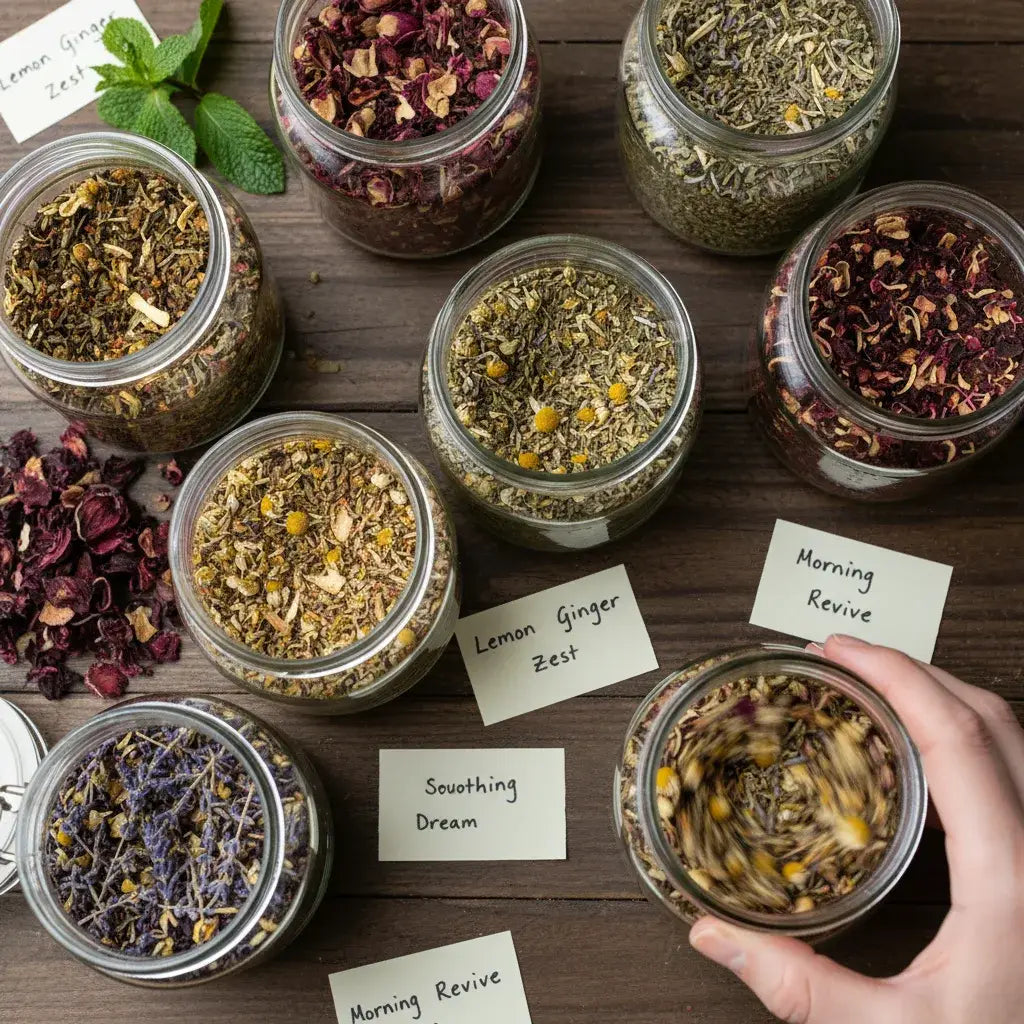
- Screening and Sorting: Ensures uniformity of cut size, improving blending consistency and brewing experience.
- Sanitization: Some suppliers implement additional steps, such as steam treatment or UV processing, for safety and cleanliness. While these steps help maintain quality, they should not compromise the delicate flavors and natural colors that define premium herbal teas.
If you’re seeking botanicals that are expertly handled from farm to cup, consider the reassurance found in Bulk Loose Leaf Teas & Tisanes - Organic 4oz - Herbal Wellness Teas, which are carefully cut, dried, and blended for optimal results in both health and taste.
Packaging Matters: Guarding Against Time and Elements
Packaging is more than a finishing touch. For wholesale buyers and retailers, packaging choices directly influence shelf life, ease of use, and ultimately, the end consumer’s brewing satisfaction.
Common Packaging Styles
- Foil-Lined Bags: Provide strong protection from light, air, and moisture. Ideal for preserving fresh aroma and color.
- Paper Sacks: More traditional, but may be less effective at keeping out moisture and odors unless lined.
- Bulk Drums or Super Sacks: Used for large-scale storage and transport. Require proper sealing upon arrival.
- Vacuum Sealed Pouches: Excellent for locking in freshness until first opening.
Shelf Life Considerations
Airtight bulk packaging with minimal light exposure can extend the shelf life of most dried herbal teas to one to three years. However, exposure to air, sunlight, or humidity may degrade quality much sooner, leading to faded color and muted aroma.
Tip: Choose wholesalers who package teas promptly after drying, eliminating excess handling and exposure.
If you’re looking for blends that arrive with the utmost freshness and aromatic quality, Wellness Tea Blends - Organic 4oz - Premium Herbal Infusion offers premium loose herbal infusions, expertly packaged for wholesale needs.
Flavor, Aroma, and Visual Appearance: The Quality Trifecta
When evaluating wholesale herbal teas, several sensory cues will point to freshness and quality:
- Color: Vibrant green, blue, or red hues suggest careful, gentle drying and minimal oxidation.
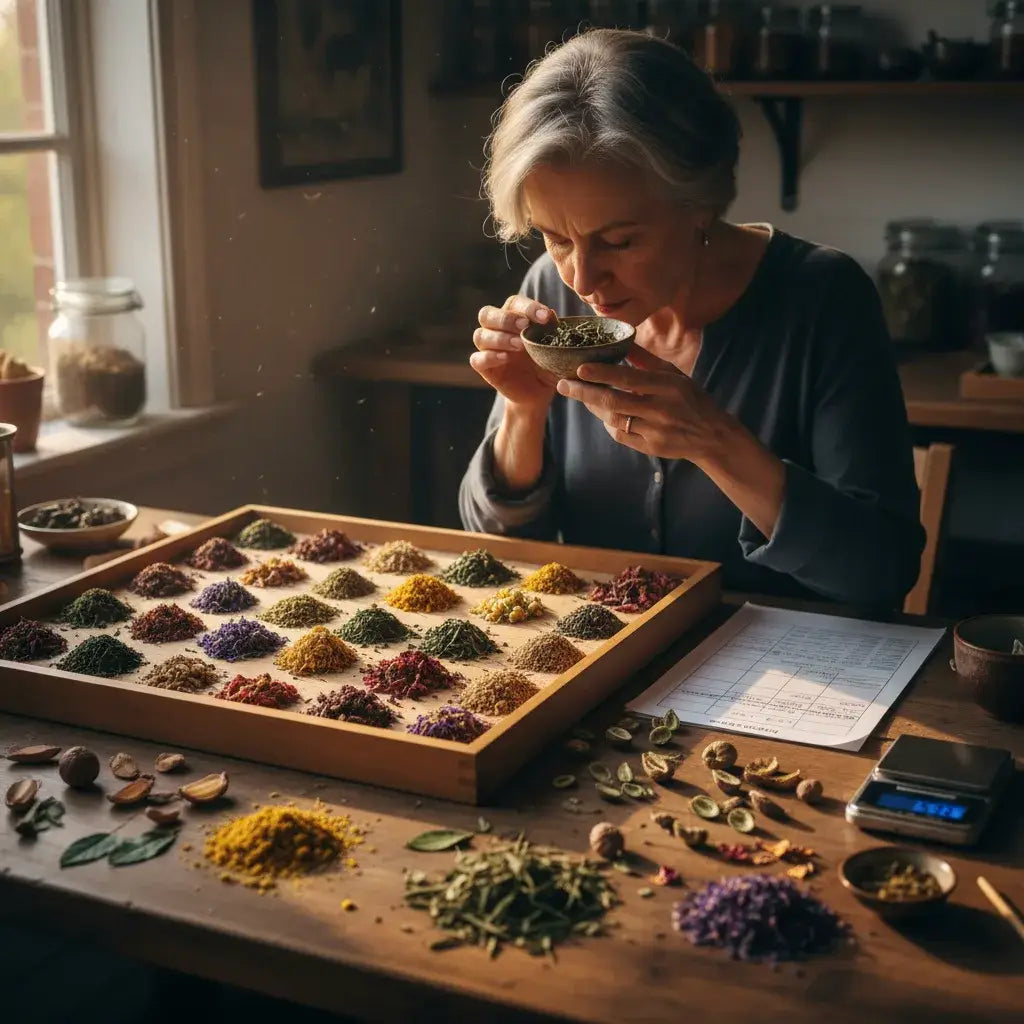
- Aroma: Bright, distinctive scents signal high essential oil content and freshness. Dull or musty aromas may indicate age or improper storage.
- Texture: Leaves or cut pieces should feel crisp, not brittle or powdery. Sticky clumping or excess dust can be a red flag.
- Uniformity: Consistent cut size leads to balanced brewing, making flavor extraction predictable.

Because herbal teas are offered in such an array of botanicals, a blend’s visual appeal often doubles as a quality indicator. Bright petals, balanced color distribution, and even textures create a premium perception and can help the tea stand out in retail blends. One such visually appealing and consistent product is Bulk Herbs & Roots - Organic 4oz Bags - Herbal Tea, which are perfect for those seeking quality in both bulk and specialty herbal teas.
What to Look for When Choosing Wholesale Herbal Teas
For retailers, tea blenders, or inquisitive consumers, the path to selecting quality teas is simpler than it seems. Here are the top areas to focus on:
1. Source Transparency and Integrity
Look for wholesalers who openly share the origin of their herbal teas, explain their farming and harvesting practices, and can describe their supply chain. This transparency signals care for quality and consumer trust—a value proudly upheld by brands like Herbal Tea Gift Set – Wellness Tea Gift Variety Collection - Organic 24 Teabags, which showcases their selection and sourcing standards.
2. Cut Size Alignment to End Use
If you plan to blend teas or sell them loose-leaf, prioritize coarse or whole cuts. For teabags or quick brewing, smaller cuts (fannings) may be ideal. Match the cut to your intended serving format to ensure customer satisfaction.
3. Freshness Monitoring
Ask about harvest dates and packaging lead times. The fresher the crop is when packaged, the greater the flavor, aroma, and shelf life. Explore options like Soursop Leaf Tea Graviola Leaves - Organic 24/2g Tea Bags - Immunity & Cell Renew for an example of teas with transparent sourcing and freshness focus.
4. Packaging Practices
Choose suppliers who use airtight, light-blocking packaging. If you’re buying bulk, ensure you have storage ready to keep teas in optimal condition after delivery.
5. Consistency and Batch Testing
Reliable wholesalers will offer batch samples or consistency reports. This is essential if you’re building your blends or need to deliver a uniform customer experience across different shipments. You’ll find that Bulk Loose Leaf Teas & Tisanes - Organic 4oz - Herbal Wellness Teas meet high consistency standards for bulk buyers.
How Herbal Goodness Approaches Herbal Tea Quality
At Herbal Goodness, our commitment to traceable sourcing, careful cut sizing, prompt, protective packaging, and stringent handling protocols supports exceptional herbal tea experiences. Whether offering single botanicals or thoughtfully curated blends, the goal is always clarity, confidence, and craft delivered in every batch.
Choosing a supplier with integrity and transparent practices makes all the difference—in cup quality, shelf life, and your customers’ delight. Experience consistency, transparency, and superior taste with products such as Wellness Tea Blends - Organic 4oz - Premium Herbal Infusion.
Building Trust Through Transparency: Your Partner in Sourcing
Whether you’re a small-scale retailer launching your herbal tea line or a hobbyist perfecting a favorite blend, clear understanding of grading criteria strengthens your purchasing confidence. Brands that prioritize origin, ethical sourcing, and gentle processing offer more than just tea—they offer assurance.
As you navigate the world of bulk herbal teas, remember that quality speaks through visible, aromatic, and textural cues. By focusing on these, you’ll avoid common pitfalls and ensure each batch delivers refreshing flavor and peace of mind.
FAQs:
- What is the difference between whole cut and broken leaf herbal teas?
Whole cut herbal teas feature intact leaves or plant parts, preserving more natural aroma and flavor, while broken leaf teas are chopped for faster brewing and easier blending.
- How does cut size affect brewing and flavor in herbal teas?
Larger cuts may require longer steeping but provide fuller flavor, while smaller cuts infuse quickly but may lose aroma faster and yield a lighter taste.
- Why is packaging important for wholesale herbal teas?
Packaging shields teas from air, light, and moisture, which helps maintain color, aroma, and freshness for a longer shelf life.
- How can I tell if a wholesale herbal tea is fresh?
Fresh teas usually display vibrant color, strong natural aroma, and a crisp texture. Dull colors or musty scents may indicate tea past its prime.
- Do different drying methods impact the shelf life of herbal teas?
Yes. Gentler drying methods like air drying can better preserve color and aroma, potentially extending shelf life when combined with good packaging.
- What are fannings and dust in herbal teas?
Fannings and dust are terms for finely chopped herbal tea particles, often produced as byproducts or used in teabags for quicker infusion.
Author Name:
Herbal Goodness Editorial Team
Author Bio:
The Herbal Goodness Editorial Team specializes in holistic health and superfoods, blending science and nature to educate and empower our community.
References:
Introducing Graviola to Young Taste Buds: Fun, Family-Friendly Flavor Exploration
Graviola in the Classroom and at Home: Creative Activities to Teach Kids About Tropical Plants
Share this
Popular posts


FAQs
1. What are the main benefits of drinking bamboo leaf tea?
Drinking bamboo leaf tea supports hydration, relaxation, skin wellness, and antioxidant balance.
2. What is bamboo leaf extract used for?
It’s used for general body wellness, skin elasticity, hair and nail support, and overall vitality.
3. Can bamboo leaf help with skin care and body wellness?
Yes, bamboo leaf is rich in silica and antioxidants, which promote healthy skin, strong nails, and a youthful glow.
4. What forms of bamboo leaf are available?
You can find dried bamboo leaf, powder, extract, drops, oil, and bamboo leaf green tea.
5. Are there any side effects of bamboo leaf?
Bamboo leaf is generally safe when consumed in moderation. Always consult your healthcare provider before starting any new herbal supplement.