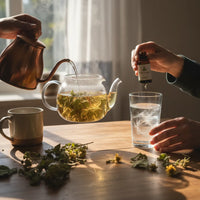





How to Identify Quality Mullein Leaf: Visual & Sensory Buyer’s Guide

How to Identify Quality Mullein Leaf: Visual & Sensory Buyer’s Guide
Shopping for mullein leaf can be overwhelming, especially for those new to the world of herbal products. With a growing number of options online and in stores, many shoppers wonder how to confidently gauge the quality of mullein leaf and avoid common pitfalls. This guide will walk you through practical, sensory-based ways to assess mullein leaf—by sight, texture, and smell—so you can make educated buying decisions. You’ll learn what healthy, high-quality mullein leaf looks like, how to discern potential fillers or adulterants, and polite questions to ask when comparing products or shopping with sellers.
Why Sensory Evaluation Matters for Mullein Leaf Shoppers
When it comes to herbs like mullein leaf, freshness and purity significantly impact their traditional value and satisfaction. Since regulations for herbal supplements can vary, sensory evaluation—using your senses of sight, touch, and smell—remains a practical tool for consumers. Learning to spot visual cues and other signals not only helps you choose a better product but also ensures you understand what you’re getting. Choosing a supplier that offers transparency, like those selling Mullein Leaf Tea - Organic 24 Tea Bags - Respiratory & Lung, can make this process easier and safer.
What Should Quality Mullein Leaf Look Like?
High-quality mullein leaf stands out with some unmistakable sensory characteristics. Evaluating mullein leaf before you buy—or as soon as it arrives—can help you feel confident in your choice.
Appearance: Healthy Color and Structure
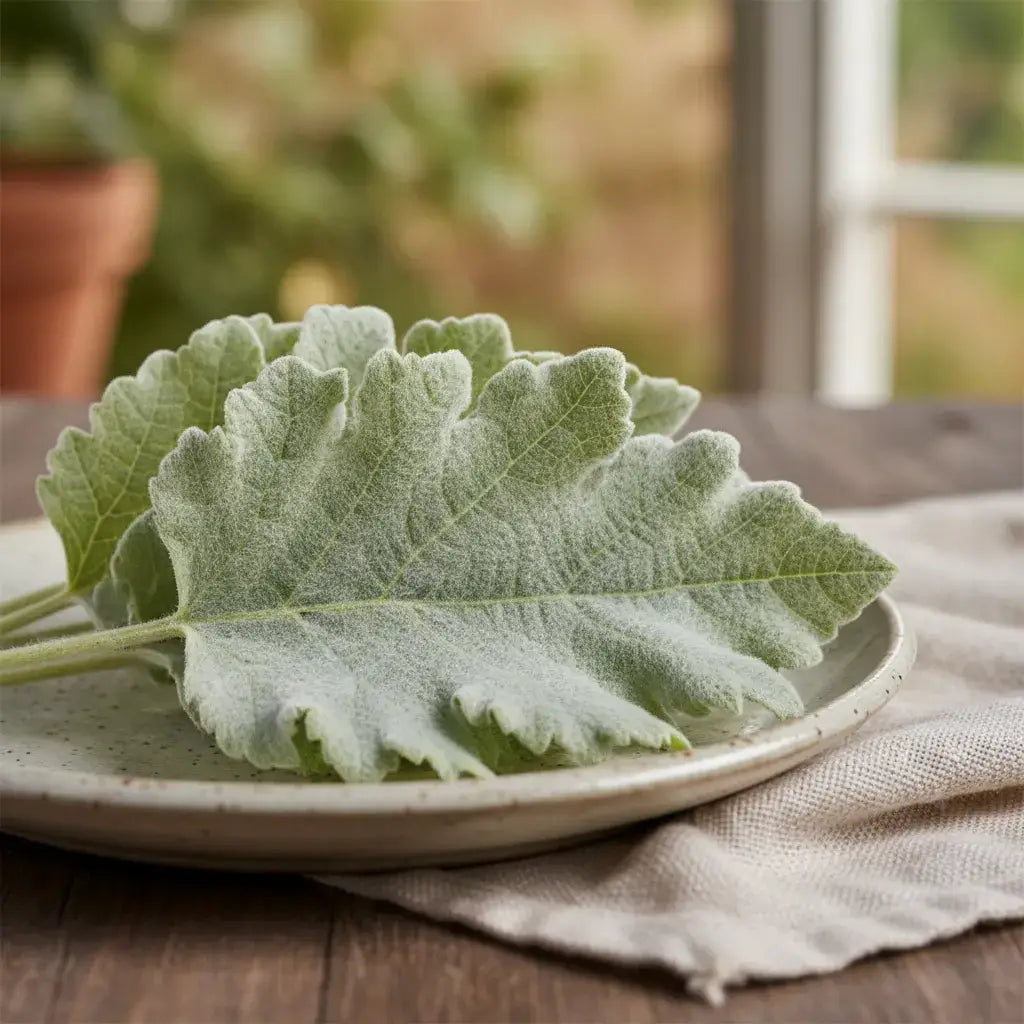
- Color: Fresh mullein leaves tend to be a gentle, silvery-green. If dried well, the leaf should preserve a soft grey-green glow. Faded brown or overly yellowed leaves may signal age, poor storage, or improper drying.
- Texture & Hairs: Mullein is known for its soft, fuzzy texture—thanks to a dense layer of fine, woolly hairs. You should notice a velvety feel when you touch the leaf.
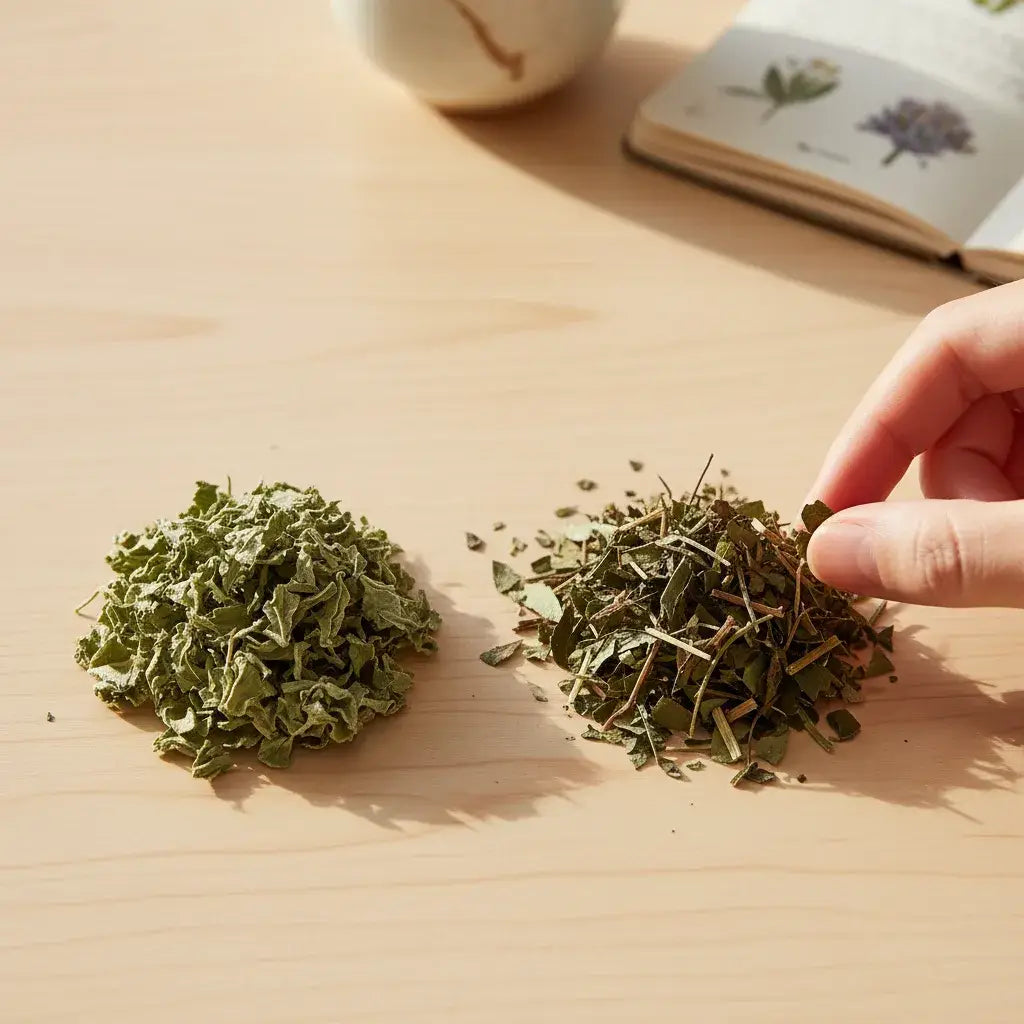
- Structure: Whole-leaf formats typically include intact, spear-shaped leaves with gently serrated edges. Crushed or cut mullein will have visible fragments, but the leaf shape and fuzziness should still be apparent.
- Lack of Stems or Unusual Plant Matter: A little stem or vein is normal, but the bulk should be mullein leaf. Excessive sticks or non-mullein debris may be a sign of poor sorting.
Pro Tip: Compare product photos closely. Look for detailed, well-lit images that showcase the leaf’s signature fuzzy texture and silvery-green appearance. You’ll find this level of detail in trusted offerings like Mullein Leaf - Organic 15X Liquid Extract - Respiratory & Lung Health.
What Should Quality Mullein Leaf Smell Like?
A subtle, clean aroma is another hallmark of a fresh mullein leaf product.
- Scent: Most quality dried mullein leaf will give off a mild, slightly earthy aroma, sometimes described as fresh hay or green tea. The scent should never be musty, sour, moldy, or artificial.
- When to Be Cautious: No scent, or a stale/moldy odor, could mean the leaf is old, improperly stored, or even exposed to moisture—potentially affecting freshness. This can make quality products such as our Bulk Herbs collection an appealing choice because of their attention to proper storage.
How Should Quality Mullein Leaf Feel?
Touch is often overlooked but is an excellent way to judge an herbal leaf’s integrity.
- Softness: Gently rub the dried leaf between your fingers. Authentic mullein leaf feels almost velvety, due to its dense hair covering.
- Dryness: The leaf should be dry, but not brittle—meaning it should flake easily without feeling powdery or crumbling instantly to dust.
- No Grit: If you feel sandy particles or hard bits, it may indicate contamination with dirt, soil, or unrelated plant parts.
If you prefer less-processed formats for better tactile inspection, consider our organic herbal teas, which make it easier to spot inconsistencies.
Common Adulterants & Fillers in Mullein Leaf Products
Unfortunately, not every mullein leaf product is created equally. Understanding what potential adulterants exist can help you steer clear of subpar choices.
Common Adulterants or Contaminants
- Unrelated Plant Material: Sometimes leaves from other plants, like comfrey, plantain, or even grasses, may get mixed in. These can alter appearance and texture.
- Excessive Stem or Bark: Some low-grade sources bulk up their product with stem bits, bark, or even woody material that should not make up the main portion.
- Dust, Dirt, or Grit: Any gritty residue points to poor harvesting, handling, or cleaning.
- Artificial Coloring: Mullein leaf should not look unnaturally bright or have visible dyes. High-quality producers do not artificially color their product.
When seeking multi-herb formulations that avoid artificial colorings, explore blends such as Wellness Tea Blends - Organic 4oz - Premium Herbal Infusion. Quality assurance in blends can speak to supplier integrity.
Visual Red Flags
- Faded or brownish color without any silvery tint
- Mold spots, webbing, or signs of moisture
- Excess of coarse, non-leaf debris in the mix
- Complete lack of soft, hairy texture
- Shiny, plastic-like look (which may indicate additives)
Judging Product Photos and Sample Packs
Online shoppers often rely on well-crafted product images, but it pays to be discerning.
Tips for Evaluating Online Product Photos
- Zoom In on Detail: Look for high-resolution photographs that let you see the fuzz of the leaf and relative absence of stems.
- Consistent Coloring: A trustworthy seller will showcase the product in different lighting, not just one filtered or overly enhanced image.
- Photo Honesty: Be cautious of stock photos or images lacking in detail. Ask for real customer-submitted images or request a picture of the exact batch.
- Clarity, Not Marketing: Images should focus on the product itself, not just packaging or logo-heavy teasers.
Sample Pack Evaluation
If available, request a small sample or starter pack before committing to a larger quantity. Once it arrives, use your senses:
- Spread the leaves on a white sheet or tray to detect debris or contaminants
- Test the scent and tactile softness
- Examine closely for color consistency and proper texture
For easy, reliable sensory checks at home, Mullein Leaf Tea - Organic 24 Tea Bags - Respiratory & Lung offers convenient, pre-portioned packs with visible contents for visual inspection.
Smart Questions to Ask Mullein Leaf Sellers
Effective communication with sellers—especially when buying in bulk or from artisan producers—helps clarify the product’s quality and authenticity.
Examples of Polite Buyer Questions
- "Can you describe how the mullein leaf was sourced and dried?"
- "Are there any additives, fillers, or non-mullein materials present in the product?"
- "Do you have recent batch photos or samples available?"
- "How is the mullein leaf stored prior to shipping?"
- "Is this product certified organic or tested for purity?"
Most reputable herbal sellers appreciate and expect these questions. Clear, confident answers signal a trustworthy supplier, while evasions should serve as a warning sign. Brands focused on full transparency for all their bulk and tea items, such as those in our Bulk Herbs collection, tend to openly provide the details you need.
Choosing the Right Mullein Leaf Format
When shopping, you’ll find options like whole dried leaves, cut and sifted leaf, loose-leaf tea, or encapsulated powders. The more intact and less processed the leaf, the easier it is to perform sensory checks.
- Whole Leaf or Large Cut: Easiest to inspect, best for sensory evaluation
- Finely Cut or Powdered: Harder to detect impurities—buy only from reputable, transparent brands
- Tea Bags and Capsules: Evaluate by asking for product sourcing information and confirming ingredient lists
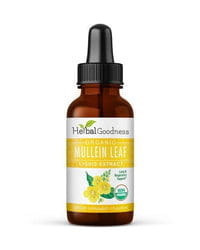
Herbal Goodness, for example, offers transparency about ingredient sourcing, processing, and batch quality, enabling customers to shop with confidence. If you’re exploring mullein leaf for respiratory or immune support, Mullein Leaf - Organic 15X Liquid Extract - Respiratory & Lung Health offers convenience and assurance of quality with direct information about sourcing.
Building Trust With Your Herbal Supplements
A little homework goes a long way. Trustworthy mullein leaf sellers will happily answer your questions, and many provide lab testing or certifications. Freshness, visual integrity, proper scent, and an absence of questionable fillers all signal a confidence-inspiring product. Practicing your sensory evaluation skills ensures you get the best value, safety, and satisfaction from your herbal supplements. For those interested in expanding their repertoire of trusted herbs, blends like our organic herbal teas can diversify your options with the same attention to quality.
FAQs:
- What color should high-quality mullein leaf be?
High-quality mullein leaf is typically a silvery-green with a gentle, soft appearance. If the leaf is brown, overly yellow, or dull, it may be aged or improperly dried.
- How can I tell if my mullein leaf is pure and not adulterated?
Inspect for a consistent silvery-green color, fuzzy texture, and an absence of excessive stems or unrelated plant material. There should be no artificial coloring, obvious grit, or mold.
- What should mullein leaf smell and feel like?
Mullein leaf should have a mild, earthy scent with a touch of freshness—similar to fresh hay. When touched, expect a soft, velvety feel due to its natural hairy surface.
- Are powders or capsules more likely to contain fillers?
Powders and capsules, being more processed, can sometimes mask fillers or low-grade material. It's best to choose those with clear, transparent sourcing information from reputable brands.
- What questions should I ask when buying mullein leaf?
Inquire about sourcing, drying methods, storage, recent batch photos, certifications, and whether the product contains only mullein leaf with no added materials.
- Can I request a sample before purchasing a large amount?
Yes, many quality herbal sellers will provide a sample or small pack. This lets you check appearance, scent, and feel before making a bigger purchase.
- How do I spot adulterants in online product photos?
Look for detailed, well-lit images showing fuzzy leaves and a consistent silvery-green color. Avoid products that show excessive debris, dull coloring, or lack close-up detail.
Author Name:
Herbal Goodness Editorial Team
Author Bio:
The Herbal Goodness Editorial Team specializes in holistic health and superfoods, blending science and nature to educate and empower our community.
References:
Introducing Graviola to Young Taste Buds: Fun, Family-Friendly Flavor Exploration