





How to Choose the Best Black Seed Oil for Soapmaking & DIY Skincare

If you’ve ever wondered how to choose the best black seed oil for soapmaking and DIY skincare, you’re not alone. With its heritage as a valued botanical oil, black seed (Nigella sativa) is finding a place in home crafters’ projects, from melt-and-pour soaps to nourishing facial oils. But how do you decide which bottle to buy when quality, saponification properties, scent, and color all play a role in your finished creation? This guide breaks down the essential basics — no hype or jargon — so you can confidently shop for black seed oil that suits your next homemade skincare project.
Understanding Black Seed Oil in Soap and Skincare Projects
Black seed oil is extracted from the seeds of Nigella sativa, and it has a rich legacy in traditional wellness and cosmetic applications. Its unique color and scent, as well as its fatty acid profile, make it an intriguing choice for soapmakers and skincare enthusiasts. But when making decisions for DIY projects, it’s useful to understand the practical qualities of the oil, not just the folklore or buzz.
Why Black Seed Oil Appeals to Crafters
- Distinctive earthy aroma from naturally occurring thymoquinone and other compounds
- Deep golden to brown color that can subtly tint soaps and oils
- Appreciated for its topical nourishing and emollient properties in many home formulas
One of the preferred sources for high quality oils is Herbal Goodness, a brand catering to both wellness and craft markets. Their Black Seed Oil 8oz | Cold-Pressed Nigella Sativa – Immune & Daily Wellness offers the cold-pressed purity many crafters prefer. This oil preserves the natural aroma and nutrients critical to beneficial soap and skincare.
Types of Homemade Skincare Projects
- Cold-process soap: Combine black seed oil with lye and other fats for bar soaps
- Melt-and-pour soap: Infuse pre-made soap base with black seed oil for mild, customizable bars
- Facial oils and serums: Blend with lighter carrier oils for facial care
- Body butters and balms: Add for richness and a touch of color
For a more finished soap bar without the formulating step, you can also explore options such as Herbal Papaya Bath Soap | 2 Bars/3.5oz – Natural Skin Cleanse & Glow, which offers botanical-based cleansing in a ready-to-use form.
Saponification Value: How Black Seed Oil Behaves in Soapmaking
One of the first considerations for any oil in soapmaking is its saponification value (also called “SAP value”). This number tells you how much lye is needed to turn fat into soap. Knowing the SAP value of black seed oil helps you formulate balanced recipes and predict how much it will contribute to the final bar.
- Typical SAP value for black seed oil: 0.135 (NaOH, sodium hydroxide, for bar soap).
- Role in recipes: Black seed oil is usually used as a supplementary oil alongside main soaping fats like olive, coconut, or palm oil. Using more than 10-15% may affect lather and texture.
- What to look for: Reputable suppliers or brands like Herbal Goodness often list SAP values or fatty acid profiles on their product pages or technical data sheets.
When seeking additional vegan nutrients for skin, consider working with ingredients found in Raw Sea Moss 8oz Bag | St. Lucia Wildcrafted – Nature's Multivitamin to further boost your creative body butters or facial treatments.
Color: Managing the Visual Impact in Your Project
Black seed oil’s rich golden-brown color is part of its charm, but how will it affect the look of your final soap or skincare formula?
Color in Soapmaking and Skincare
- In soap bars: Even a small percentage can deepen your base color, turning pure white soap into creamy beige or light tan. The effect is strongest in cold-process bars.
- In facial oils and butters: Adds a golden or amber tint. If you want a barely-there hue, blend with lighter, paler carrier oils.
- How to test: Always make a small batch or patch test with your chosen percentage to preview the outcome.
Choosing Based on Color
If a clear or pastel product is your goal, choose black seed oil that is less intensely colored, often labeled as “light,” “refined,” or “filtered.” For a more vibrant, natural look, opt for “cold-pressed” or “unrefined,” which retain the most pigment from the seeds.
Fragrance: Balancing Earthy Notes in Formulation
The aroma of black seed oil is uniquely herbal, with spicy and woody undertones. While beloved by some, its strength can take over a recipe if not balanced carefully.
Aromatic Qualities
- Unrefined black seed oil: Tends to have the most pronounced, earthy scent (sometimes described as peppery or nutty)
- Refined or filtered black seed oil: Milder aroma, more neutral if you want to avoid an assertive scent
Practical Tips for Beginners
- Use unrefined oil in small percentages if you want a signature earthy scent in your soap or balm
- For unscented or lightly fragranced bars, opt for filtered versions or blend with other neutral carrier oils
- Essential oils like lavender, citrus, or mint can help balance black seed's natural aroma
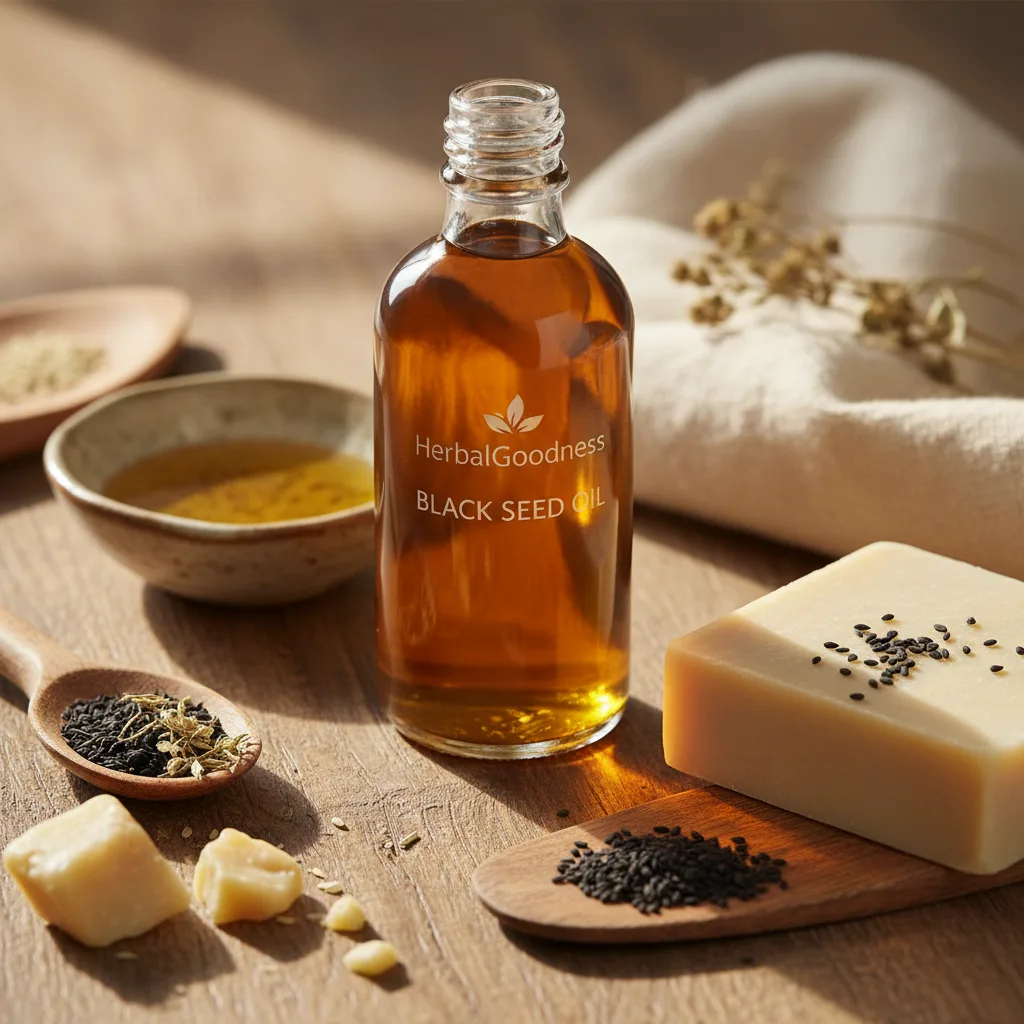
Storing your oils for maximum shelf life, especially for homemade blends, means being mindful of packaging types. Dark glass bottles, like those used for the Black Seed Oil 8oz, help reduce oxidation and preserve beneficial compounds over time.
Shelf Stability and Packaging for Home Use
Black seed oil can be sensitive to light, heat, and air exposure, which may affect its freshness over time. Selecting the right bottle and knowing how to store it ensures optimal shelf life—especially for crafters who use oil gradually across multiple projects.
Shelf Stability Considerations
- Packaging: Choose oils in amber or dark glass bottles to reduce light exposure, or store in a dark place.
- Sealed caps or droppers: Minimize air contact to help maintain quality
- Best-used-by: Look for best-before dates or lot numbers, and use open bottles within 6 to 12 months for peak quality
Those looking to experiment with other nutrient-dense botanicals alongside black seed oil may be interested in infusing Raw Sea Moss or tropical botanicals for added benefit.
Reading Labels: What to Look for When Buying Black Seed Oil
A little label know-how goes a long way when selecting black seed oil for crafting purposes. Here’s how to spot quality oil that will work in soaps, facial blends, and more.
Key Label Clues
- INCI name: Nigella sativa seed oil (confirm you’re getting the right botanical)
- Extraction method: “Cold-pressed” or “expeller-pressed” preserves natural aroma and nutrients; “refined” is lighter in color and scent
- Origin: Some crafters prefer oils sourced from specific regions, but consistency matters more than location
- Ingredients: Should list 100% pure black seed oil, with no fillers or additives
- Certifications: Organic or non-GMO if transparency and sourcing are priorities
Where to Find Craft-Friendly Black Seed Oil
Brands catering to soapmakers, like Herbal Goodness, may offer packaging options and technical data (SAP value, origin, filtration level) especially helpful for DIYers. Specialty beauty and natural health stores often stock oils in a variety of formats, so you can match oil type to your project needs.
If you're interested in exploring other soap-ready botanicals, try the ready-to-use Herbal Papaya Bath Soap, crafted for natural skin cleanse and glow.

Comparing Formats: Liquid, Capsules, and DIY Soapmaking
Black seed oil comes in several commercial formats, but for homemade soap and skincare, liquid oil remains the most versatile.
- Liquid oil: Best for blending, measuring, and combining in small or large batches
- Capsules: Designed for internal use and not suitable for soapmaking
- Solidified blends: Sometimes used in body balms, but check for extra carrier oils that may affect lather or consistency
If you're looking for inspiration on blending with botanicals, Raw Sea Moss 8oz Bag | St. Lucia Wildcrafted – Nature's Multivitamin could make a supportive base for nourishing creams or lotions.
Simple Steps for Beginners: Choosing and Using Black Seed Oil
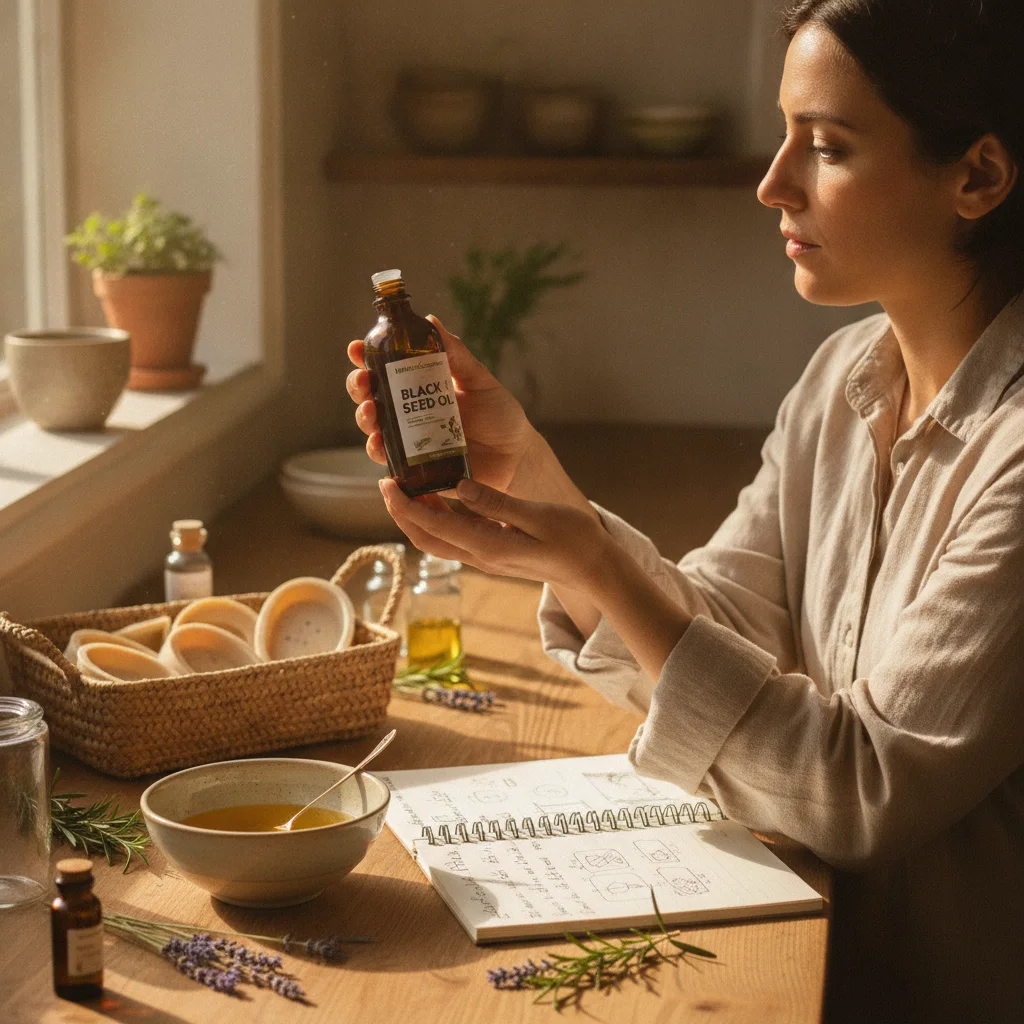
Embarking on your first soap or skincare recipe with black seed oil is easier with a few guiding steps:
- Decide on your end project: Bar soap, facial oil, or cream?
- Choose your desired traits: Strong scent, mild color, or neutral profile?
- Select oil based on saponification value, color intensity, and fragrance strength listed on labels.
- Source from reputable brands with transparent label info, packaging, and freshness date.
- Test for compatibility: Small batch or blend to gauge scent and appearance.
If you want to skip the complex steps of soaping, ready-crafted Herbal Papaya Bath Soap can be a shortcut to nourishing herbal skincare.
Summary: Matching Black Seed Oil to Your Crafting Vision
When choosing black seed oil for soapmaking and DIY skincare, prioritize the practical factors: saponification number, natural color, scent profile, and shelf stability. Reading labels with confidence helps you select the right oil format, color level, and packaging for your crafting needs. With a bit of experimentation and these considerations in mind, your soaping or skincare journey with Black Seed Oil 8oz | Cold-Pressed Nigella Sativa – Immune & Daily Wellness can be as beautiful as the products you create.
Frequently Asked Questions
Question 1: What is the best black seed oil format for DIY soapmaking?
Answer: Liquid oil, such as Black Seed Oil 8oz | Cold-Pressed Nigella Sativa – Immune & Daily Wellness, is ideal for easy blending and measuring in soapmaking projects.
Question 2: How do I keep my black seed oil fresh for crafting?
Answer: Store your oil in amber or dark glass bottles away from heat and light. Using products like Black Seed Oil 8oz ensures the use of quality packaging for better shelf stability.
Question 3: Does black seed oil change the color of soap?
Answer: Yes, it imparts a golden or light tan color to soaps and skincare products. For a barely-there hue, blend it with lighter carrier oils. Always test with a small batch first.
Question 4: Is the earthy scent of black seed oil strong in finished bars?
Answer: Unrefined black seed oil has a pronounced aroma. To create a milder scent, use filtered versions or blend with other carrier oils and essential oils such as lavender or mint.
Question 5: Are there ready-made botanical soaps if I don’t want to make my own?
Answer: Yes, ready-to-use options like Herbal Papaya Bath Soap allow you to enjoy botanical cleansing without DIY preparations.
Question 6: Can I add other plant ingredients with black seed oil in homemade skincare?
Answer: Absolutely. Combining botanicals such as Raw Sea Moss 8oz Bag can create nutrient-rich blends for skin.
Ready to explore new homemade creations? Use these practical tips to select the right black seed oil for your next soap or skincare project, and enjoy discovering the creative possibilities black seed oil brings to your DIY routine.
About the Author
Herbal Goodness Editorial Team
The Herbal Goodness Editorial Team specializes in holistic health and superfoods, blending science and nature to educate and empower our community.
Related blogs:
Why the Tea Bag Matters: How Packaging Shapes Mullein Tea’s Flavor
Understanding 'Detox' Claims: What Supplement Labels Can and Can't Say
What Colon Cleanse Means on Papaya Seed Capsule Labels: A Buyer’s Guid
How to Search for Organic Mushroom Extract Online: Shopper’s Guide & C
What to Expect When You Order Kids' Liquid Herbal Extracts Online: Pac
Ordering Cat’s Claw Tincture from Abroad: Shipping, Customs, and Buyer
Store-Bought vs DIY Avocado Leaf Tea Bags: A Beginner’s Guide to Cost,
How Lion’s Mane Fits into a Brain-Friendly Routine: Simple, Practical
Guava Leaf Tea in Women’s Wellness: Traditions, Rituals, and Mindful I
How to Buy Gotu Kola Online: Formats, Labels, and Smart Shopping Tips