




How to Choose a Guava Leaf Extract: Beginner’s Guide to Forms & Labels

How to Choose a Guava Leaf Extract: Beginner’s Guide to Forms & Labels
Guava leaf extract has enjoyed growing interest from wellness seekers looking for plant-based additions to their daily routines. With multiple product forms available and a wide variety of brands lining the shelves, choosing the right guava leaf extract can feel overwhelming, especially if you’re new to herbal supplements. This guide takes a step-by-step approach to help you confidently compare guava leaf tinctures, powders, capsules, and teas, understand different extraction methods, make sense of label terms, and spot trustworthy quality signals—all in accessible, everyday language.
Understanding Guava Leaf Extract: A Quick Primer
Guava leaf extract is made by concentrating the beneficial compounds found in the leaves of the guava tree (Psidium guajava). Traditionally, guava leaves have been valued for their naturally occurring antioxidants, tannins, and plant-derived nutrients. Today, extracts are available in many forms, each offering unique advantages for wellness routines.
Why Forms and Extraction Methods Matter
Every extraction and delivery format affects:
- The concentration of plant compounds in the product
- How the body absorbs and uses those compounds
- The overall convenience and taste of the supplement
Let’s explore these differences in more detail so you can make a selection that suits your personal preferences and wellness goals.
Comparing Forms: Tinctures, Powders, Capsules & Teas
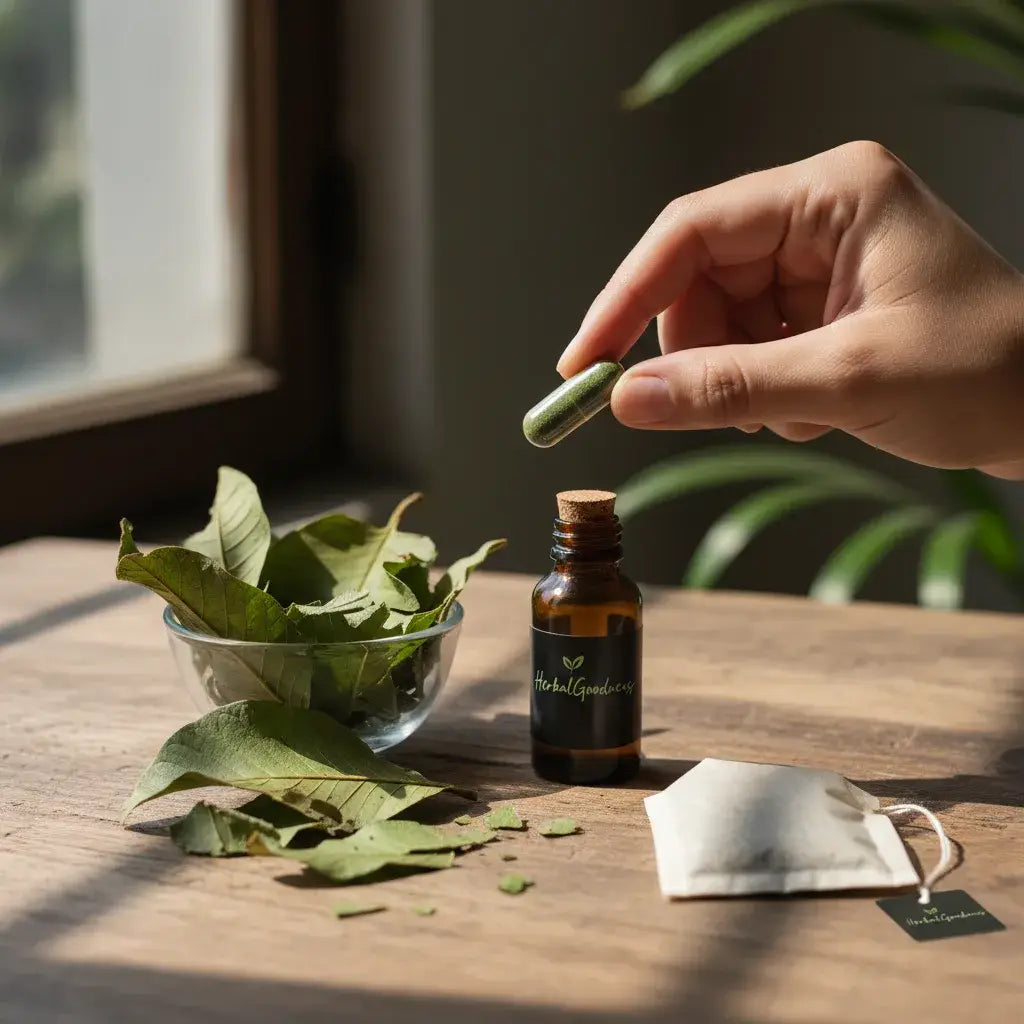
Whether you find guava leaf listed as a powder, tea, liquid extract, or capsule, each form offers unique features. Here’s a breakdown for beginners:
Liquid Extracts (Tinctures)
- What They Are: Concentrated guava leaf dissolved in a solvent such as water, alcohol, or glycerin.
- Strengths: Often more rapidly absorbed. Dosing is flexible (you can adjust drops easily). Great for people looking to avoid swallowing capsules or tablets.
- Consider If: You want quick absorption, or customizable doses for tea and smoothies.
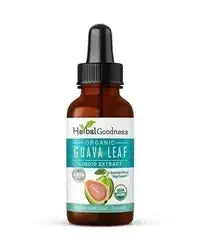
If you prefer a liquid format, consider exploring options such as Guava Leaf - Organic 1oz 15X Liquid Extract - Immunity & Herbal Health, which provide strong concentrations and clear labeling of contents.
Capsules & Tablets
- What They Are: Pre-measured doses of powdered or extracted guava leaf.
- Strengths: Simple and portable. No taste or aroma to manage. Easy to add to a supplement routine.
- Consider If: You prefer consistent dosing without measuring or mixing.
A popular choice for individuals on the go is the Graviola Soursop Leaf Extract – 10X 60/600mg Capsules - Cell Renew & Immunity option, which ensures both convenience and reliable potency.
Powders
- What They Are: Dried, finely ground guava leaf or a concentrated powder extract.
- Strengths: Versatile for mixing into drinks, smoothies, or recipes. May offer greater control over dose.
- Consider If: You like customizing your intake or incorporating botanicals into foods.
Mixing powder into your favorite smoothie can be a creative way to include these botanicals in your daily diet.
Teas & Infusions
- What They Are: Loose guava leaves or tea bags for steeping in hot water.
- Strengths: Offer a gentle introduction to guava leaf. Ideal for those who enjoy ritual, warmth, or traditional preparations.
- Consider If: You’re looking for a comforting and mild introduction, or simply love sipping herbal tea.
A great starting point is the Guava Leaf Tea - Organic - Tea 24/2g - Caffeine-Free, which offers a gentle herbal experience.
Extraction Methods: What “Water,” “Alcohol,” “Glycerin,” and “CO2” Mean
Behind every guava leaf supplement is an extraction process that separates active plant compounds from raw leaves. Here’s what you need to know about the terms on product labels:
Water Extraction
- Process: Guava leaves are steeped in water, much like making tea.
- Result: Gentle, suitable for preserving heat-sensitive compounds. May be lower in certain concentrated phytochemicals compared to alcohol or CO2 extracts.
- Look For: Used in teas and alcohol-free liquids.
Water-extracted products, like those in herbal teas, maintain the subtle complexity of the plant, and are ideal for newcomers to herbal wellness.
Alcohol Extraction (Tincture)
- Process: Leaves are soaked in alcohol to dissolve both water-soluble and alcohol-soluble compounds.
- Result: Highly concentrated extract, often bottled with a dropper. Alcohol ensures shelf stability.
- Look For: Potent tinctures; always check alcohol strength if you prefer to avoid alcohol.
For those wanting a higher potency tincture, Guava Leaf - Organic 1oz 15X Liquid Extract - Immunity & Herbal Health often clearly states if alcohol is used in extraction.
Glycerin Extraction
- Process: Uses plant-based glycerin for a sweet, alcohol-free extract.
- Result: Suitable for children and people avoiding alcohol. Usually a bit sweeter and less potent than alcohol tinctures.
- Look For: Labeled as “glycerite” or “alcohol-free extract.”
Suitable for families or sensitive individuals, glycerin-based extracts—often found in plant-based supplements—provide a sweeter and softer taste profile for children and adults alike.
CO2 Extraction
- Process: Uses pressurized carbon dioxide to pull out plant compounds without heat or solvent residue.
- Result: Yields a highly pure, concentrated product with a full spectrum of plant components. Less common and usually pricier due to complexity.
- Look For: “CO2 extract” on premium guava leaf products.
CO2 extraction produces a highly pure supplement, ideal for those seeking the broadest spectrum of natural plant compounds. As with all forms, refer to the product label for details about the concentration and extraction profile.
Decoding Label Language: “Standardized,” “Extract Ratio,” and More
Reading a guava leaf supplement label can feel like decoding a secret code. Here are some common terms and what they mean for product quality:
What Does “Standardized” Mean?
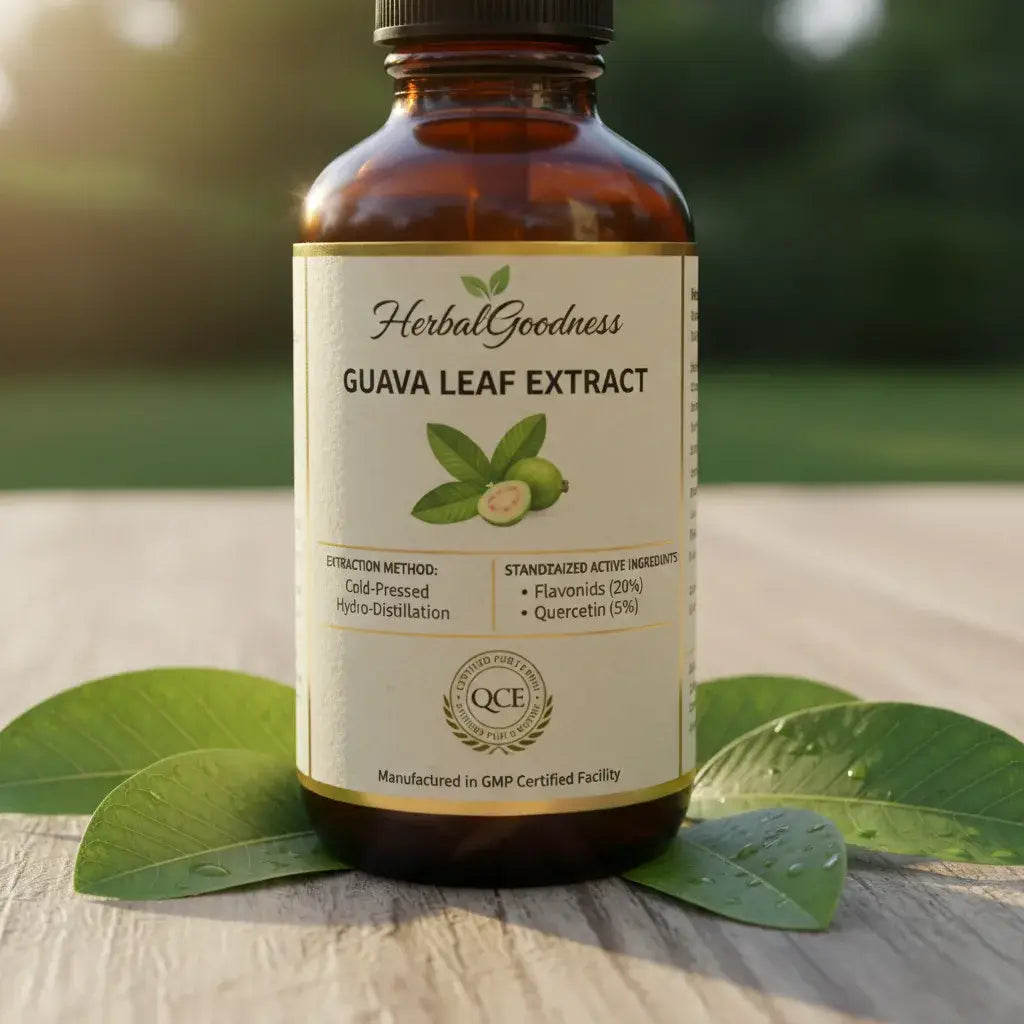
When a guava leaf extract is labeled “standardized,” it means the manufacturer guarantees a set percentage of a specific plant compound—like polyphenols or certain antioxidants—in every dose.
- Why It Matters: Standardization helps ensure consistency between batches, so you’re more likely to get a predictable experience each time you use the product.
- How to Spot It: Look for language like “standardized to 10% polyphenols.”
You can find standardized formulas in select items like Graviola Soursop Leaf Extract – 10X 60/600mg Capsules - Cell Renew & Immunity, which clearly state their potency and content claims on label.
Breaking Down “Extract Ratios” (e.g., 10:1 or 20:1)
Extract ratios describe how much original leaf material was used to make a given amount of extract.
- Example: A 10:1 extract means 10 grams of guava leaf were used to produce 1 gram of extract.
- Why It Matters: Higher ratios suggest a more concentrated product, but don’t necessarily reflect all aspects of quality—balance with other label clues.
Looking for a simple ratio on the front of the package? You’ll often spot this on reputable products, which may also include capsule and powder forms for easy daily use.
The Importance of Ingredient Lists
A transparent ingredient list should be short, clear, and free from unnecessary fillers or artificial additives. Ideally, look for “organic” or “wildcrafted” on the label, which refer to farming and harvesting practices.
Many consumers seek capsules such as Papaya Leaf Extract Blood Support - 10X 60/450mg Capsules - Blood Platelet for straightforward, clean ingredient profiles and easy integration into supplement routines.
Other Clues: Serving Size & Active Ingredient Amounts
Check whether the product clearly lists how much guava leaf (or extract) is in each serving, and whether it includes the amount of key antioxidant compounds or other valued phytonutrients.
Carefully labeled serving sizes are common in premium teas like Guava Leaf Tea - Organic - Tea 24/2g - Caffeine-Free, making it easier to track your intake and nutritional value.
Quality Markers: Testing, Certifications & Brand Transparency
Understanding what’s behind a supplement label is just as important as the plant itself. Here’s what to look for in a trustworthy guava leaf extract brand:
Third-Party Testing
Reliable brands invest in third-party laboratory testing to validate purity, identity, and potency. It’s not just a marketing claim—it’s a quality and safety marker.
- What to Look For: “Lab tested” or “third-party tested” on packaging or websites.
- Why It Matters: Independent testing helps confirm products are free from unwanted residues and that ingredient amounts align with label claims.
Premium brands display third-party test results—showcasing transparency and dedication to consumer safety. Both Graviola Soursop Leaf Extract – 10X 60/600mg Capsules - Cell Renew & Immunity and Guava Leaf Tea - Organic - Tea 24/2g - Caffeine-Free are examples of products from brands committed to strong quality controls.
Recognized Certifications
Certain labels can signal higher standards:
- Organic: Ingredients grown without certain synthetic pesticides or chemical fertilizers.
- Non-GMO: Made without genetically modified organisms.
- Kosher/Vegan/Gluten-Free: Denotes adherence to specific dietary principles.
- USDA Organic or NSF Certified: Particularly meaningful in the U.S. supplement space.
These certifications indicate that a product passed additional inspection processes and align with specific dietary or ethical values.
Brands with prominent organic certifications across their guava teas and extracts, such as Guava Leaf Tea - Organic - Tea 24/2g - Caffeine-Free, demonstrate trustworthiness and quality.
Brand Transparency & Sourcing
Reputable brands provide details on where and how their guava is grown and processed. Some even share batch-specific lab reports or the identity of their source farms.
- Why It Matters: Transparency builds trust, empowers informed choices, and can even support environmental and community wellbeing.
The use of clear sourcing and production details is not restricted to guava supplements, but extends throughout the wider herbal supplement landscape—providing added confidence in tea, capsule, and extract options.
Simple Questions to Ask Before You Buy
If you’re new to guava leaf extracts, these questions can set you on the right path:
- What extraction method is used?
- Choose a method that matches your preferences (alcohol, glycerin, water, or CO2).
- Is the extract standardized, and to what plant compound?
- Look for a clear percentage or target constituent (like polyphenols).
- What is the extract ratio?
- Understand the level of concentration; higher numbers mean a stronger extract per dose.
- Has the product been third-party tested?
- Ensure purity and label accuracy.
- What certifications does it hold?
- Find certifications that align with your lifestyle and values.
- Is the brand open about sourcing and ingredient origins?
- Greater transparency often suggests greater accountability and quality.
Making the Best Choice for Your Needs
In the end, the “best” guava leaf extract is the one that aligns with your personal goals, values, and daily habits. If you love the ritual of sipping tea, consider starting with Guava Leaf Tea - Organic - Tea 24/2g - Caffeine-Free bags or loose-leaf for brewing. If you prefer potent, measurable doses, Graviola Soursop Leaf Extract – 10X 60/600mg Capsules - Cell Renew & Immunity or Guava Leaf - Organic 1oz 15X Liquid Extract - Immunity & Herbal Health may be a better fit. Always prioritize clear labeling, trusted certifications, and transparent sourcing to help guide your purchase.
While Herbal Goodness offers carefully sourced botanicals, every buyer’s needs and preferences are unique. This beginner’s guide is designed to empower your journey into guava leaf extracts—helping you ask the right questions, spot quality, and shop with confidence.
FAQs:
- What is the difference between a guava leaf tincture and a guava leaf capsule?
A guava leaf tincture is a liquid extract made by soaking guava leaves in alcohol, water, or glycerin. It typically allows for faster absorption and customizable dosing. Capsules contain powdered or extracted guava leaf in a convenient, pre-measured form, making them easy to incorporate into a daily supplement routine without the taste or need for measuring.
- How can I tell if a guava leaf extract is high quality?
Look for clear labeling about extraction methods, standardized ingredients, and extract ratios. Quality products often highlight third-party testing, certifications like organic or non-GMO, and transparent information about sourcing practices.
- Is there a benefit to choosing standardized guava leaf extracts?
Standardized extracts provide a guaranteed amount of specific plant compounds, such as certain antioxidants, ensuring consistency in each dose. This can help support a more predictable wellness experience compared to non-standardized extracts.
- What does an extract ratio (like 10:1) mean on guava leaf supplements?
An extract ratio indicates how much raw guava leaf was used to make the final extract. For example, a 10:1 ratio means that ten grams of raw leaf material created one gram of extract. Higher ratios typically signal a more concentrated product.
- Why is third-party testing important in guava leaf extracts?
Third-party testing confirms that a guava leaf extract contains what it claims, is free from unwanted residues, and meets safety and quality standards. This testing, performed by independent labs, adds an extra layer of trust for consumers.
- Does the extraction method change the active compounds in guava leaf supplements?
Yes, the extraction method determines which plant compounds end up in the final product. For example, alcohol can extract both water- and alcohol-soluble compounds, while water extraction is gentler and may yield different components. Choosing a method may depend on your preference and wellness goals.
Author Name:
Herbal Goodness Editorial Team
Author Bio:
The Herbal Goodness Editorial Team specializes in holistic health and superfoods, blending science and nature to educate and empower our community.
References:
Introducing Graviola to Young Taste Buds: Fun, Family-Friendly Flavor Exploration
Graviola in the Classroom and at Home: Creative Activities to Teach Kids About Tropical Plants
Why Social Impact Matters in Plant-Based Wellness