




Fermenting with Hibiscus Tea: How to Make Shrubs, Tepache & Infused Brews

From its vibrant crimson hue to its tart, fruit-forward profile, hibiscus tea has long attracted adventurous cooks and tea lovers alike. In recent years, creative home fermenters have begun harnessing hibiscus’s unique flavors in small-batch kitchen projects—transforming this familiar brew into sparkling tepache-inspired drinks, tangy shrubs, and probiotic-infused beverages. This guide walks you through the essentials of fermenting with hibiscus tea, focusing on culinary exploration and taste. You’ll learn the basics of fermentation safety, discover the defining features of shrubs, tepache, and kombucha-style infusions, and uncover easy ways to pair and use your hibiscus ferments in everyday kitchen creations.
Why Choose Hibiscus Tea for Kitchen Fermentation?
Hibiscus tea brings more to the fermenting table than dazzling color. Its natural tartness comes from organic acids, which pair brilliantly with sugars and enhance the layered flavors developed during fermentation. Hibiscus also infuses your ferments with subtle fruity and floral aromas, making it a flexible base for both sweet and savory preparations.
If you’re looking for an effortless way to begin, Organic Hibiscus Tea 24 Bags | Heart Health & Antioxidant Wellness is an ideal starting point: it delivers robust color and clean flavor while supporting heart and antioxidant wellness.
Key Advantages of Fermenting with Hibiscus Tea
- Vibrant color and inviting aroma
- Naturally tart flavor profile
- Pairs well with a wide range of fruits, spices, and herbs
- Non-caffeinated, suitable for anytime enjoyment
Understanding the Types: Shrubs, Tepache, and Fermented Infusions
Fermentation is an age-old way to preserve, activate, and enhance flavors. When combined with hibiscus tea, each method—shrub, tepache, or fermented infusion—offers a different approach to the world of tart, sparkling, and tangy drinks.
Shrubs: The Tangy, Versatile Drinking Vinegar
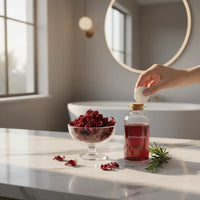
A shrub is a vinegar-based syrup—often flavored with fruit, herbs, or tea—which can be sipped on its own or blended into dressings and cocktails. Unlike bubbly ferments, shrubs undergo a gentle process that’s more about infusing flavors than building fizz.
How it works:
- Fruit (or tea) is mixed with sugar to macerate and draw out juices
- After straining, vinegar is added to balance sweetness with tang
- The mixture develops deeper flavors after a few days of aging
Organic Hibiscus Tea 24 Bags | Heart Health & Antioxidant Wellness makes an excellent base for shrubs, offering a tangy, berry-like dimension, especially when paired with complementary fruits like raspberries or oranges. Whether forming the backbone of a shrub or adding a color burst to syrups, the tea’s versatility shines across numerous flavor combinations.
Tepache-Style Hibiscus: Sparkle and Spice
Inspired by the traditional Mexican pineapple ferment, tepache-style drinks use fruit and spices for wild fermentation. When hibiscus tea is the foundation, the result is a lively, refreshing beverage with nuanced acidity and natural effervescence. You’ll notice subtle bubbles, a mild tang, and a medley of flavors that shift as the fermentation progresses. A hibiscus-based tepache can be enjoyed on its own or as a striking mixer at a brunch or garden party.
Creating these sparkling drinks pairs well with gut-supportive elements. For an added wellness boost, consider adding Organic Papaya Leaf Extract 16oz | 15X Liquid – Best Value Size to your recipe rotation, as papaya leaf is valued for digestive and immune support and can balance tangy, fruit-forward ferments beautifully.

Kombucha and Water Kefir: Hibiscus Infusions for Bubbly Sipping
Kombucha and water kefir are friendly to experimentation. Both rely on a starter culture (a SCOBY for kombucha or grains for water kefir) and optional flavorings. Hibiscus tea is a popular secondary infusion: after the initial brew, it’s steeped in for an additional day or two, producing a blushing, fruity sparkling beverage.
Differences:
- Kombucha is based on sugared tea, typically black or green
- Water kefir uses sugar water fermented with kefir grains
- Hibiscus adds a delicately tart, aromatic twist to both
Pairing these probiotic sips with nutrient-dense ingredients boosts flavor and health benefits. Stirring in a spoonful of Raw Sea Moss 8oz Bag | St. Lucia Wildcrafted – Nature's Multivitamin at serving time further enriches your infusions with minerals and supports natural vitality.
Fermentation Safety and Sanitation at Home
Curiosity is your friend in fermentation, but so is caution. Practicing good kitchen hygiene ensures a safe, enjoyable experience. Here are core principles to keep your hibiscus fermentations flavorful and worry-free:
Sanitation Fundamentals
- Start with clean glass jars, utensils, and hands
- Rinse all fresh fruit and herbs thoroughly
- Avoid metal vessels (except stainless steel); prefer glass, ceramic, or food-safe plastic

Sugar and Acidity
- Sugar not only feeds beneficial microbes but also helps preserve flavor
- Vinegar or finished acidity inhibits undesirable organisms in shrubs and infusions
- Always skim off any off-smelling or fuzzy growth (discard the batch if in doubt)
Observation
- Ferments should smell pleasantly fruity, yeasty, or vinegary—not musty or putrid
- Slight carbonation or cloudiness is normal for tepache and kombucha infusions
- Taste small samples as fermentation progresses to catch your flavor sweet spot
How Sugar, Time, and Temperature Shape Your Hibiscus Ferments
Each fermentation project with hibiscus tea is uniquely shaped by the ingredients, environmental factors, and your own palate. Here are the variables that matter most:
Sugar Choices
- White sugar supports swift fermentation and a clean finish
- Raw or unrefined sugars (turbinado, piloncillo) lend toasty or molasses notes
- Honey brings its own floral flavor, but use caution as it can slow fermenting microbes
Timing Guidelines
- Shrubs: Macerate hibiscus, fruit, and sugar for 1–2 days. Infuse with vinegar and age 3–7 days for best results.
- Tepache: Ferment at room temperature for 1–3 days, straining when light bubbling and noticeable tang develops.
- Kombucha/Water Kefir Infusions: Secondary ferment with hibiscus tea for 1–3 days, monitoring fizz and tartness.
Temperature Effects
- Aim for a range of 68–78°F for most home ferments
- Warmer rooms accelerate fermentation; cooler temperatures slow it down
- Watch ferments daily in warmer months—they reach their peak faster
Pairing Hibiscus Tea with Flavors: Sweet, Savory, and Spiced
Whether you want to brighten sparkling drinks or invent new condiments, hibiscus’s versatility makes it easy to find great matches.
Explore herbal blends by combining your infusions with Herbal Tea Trio Bundle | Guava, Hibiscus & Avocado – 3 Organic Packs. This bundle is designed to inspire new pairings, layering hibiscus with guava’s tropical fruitiness or avocado’s smoothness for a refined, balanced cup.
Sweet Pairings
- Berries (raspberry, blackberry, strawberry)
- Stone fruits (peach, apricot, plum)
- Citrus (orange, grapefruit, lime)
- Spices (cardamom, cinnamon, clove)
Savory Pairings
- Fresh herbs (basil, mint, tarragon)
- Root vegetables (ginger, turmeric)
- Mild chiles for a gentle kick
- Roasted garlic or shallot for shrub vinaigrettes
The result: a world of homemade syrups, mixers, and condiments—each with layers of color and flavor you can customize for your kitchen.
Simple Recipes and Usage Ideas for Hibiscus Ferments
Hibiscus Tea Shrub Base
- Mix 1 cup strong hibiscus tea with 1 cup sugar and 1 cup chopped berry (optional).
- Let sit, loosely covered, at room temperature for 24–48 hours. Stir occasionally.
- Strain, then combine liquid with 1 cup apple cider or white wine vinegar.
- Bottle and refrigerate; flavors deepen after a few days. Use in spritzers or for salad dressings.

Tepache-Style Hibiscus Brew
- Combine 1 quart cool hibiscus tea, 1/2 cup raw sugar, a cinnamon stick, and pineapple peel (or use apple slices for a twist) in a large glass jar.
- Stir and cover loosely with a clean towel. Let ferment at room temperature 1–3 days until lightly bubbly, stirring daily.
- Strain and chill. Enjoy as a solo beverage or mixer.
Hibiscus-Infused Water Kefir or Kombucha
- After initial brewing and straining, add 1/2–1 cup strong hibiscus tea to your finished water kefir or kombucha.
- Seal in a bottle and ferment at room temperature for 1–2 days until bubbly.
- Chill and serve cold as a bright, refreshing probiotic sip.
Creative Uses
- Splash hibiscus shrub in sparkling water for a no-alcohol cocktail
- Use tepache in fruit punch or sangria-style mocktails
- Drizzle shrub on citrus fruit, blend into smoothies, or whisk into vinaigrettes
- Enhance ceviche, glazed roasted vegetables, or marinades with hibiscus notes
For those who value both wellness and culinary adventure, incorporating papaya leaf or sea moss into your drinks and recipes opens new health-forward possibilities along with bolder flavors.
The Culinary Adventure of Kitchen Fermentation
Fermenting with hibiscus tea is as much a creative journey as it is a technique. Each batch can become a new flavor adventure—one you shape with your own palate and curiosity. With careful attention to sanitation, sugar, and time, even first-time fermenters can safely explore an endless array of color-rich, aromatic, and mouthwatering creations. Whether you’re sipping a sparkling hibiscus tepache with a twist of lime, dressing a salad with tangy shrub, or simply marveling at the natural fizz, these infusions prove that kitchen fermentation can be as much about pleasure and experimentation as it is about tradition.
Frequently Asked Questions
Question 1: Can I use packaged hibiscus tea bags for fermentation?
Answer: Yes, Organic Hibiscus Tea 24 Bags | Heart Health & Antioxidant Wellness work perfectly for home ferments and ensure consistency in flavor and color.
Question 2: Are hibiscus ferments suitable for those who avoid caffeine?
Answer: Absolutely. Hibiscus tea is naturally caffeine-free, making your fermented drinks great for any time of day.
Question 3: How can I boost the nutritional value of hibiscus fermentation drinks?
Answer: Add enriching ingredients such as Raw Sea Moss 8oz Bag | St. Lucia Wildcrafted – Nature's Multivitamin or Organic Papaya Leaf Extract 16oz | 15X Liquid – Best Value Size for extra minerals or digestive support.
Question 4: What should I do if my ferment doesn’t taste right?
Answer: If your batch smells or tastes off, or you see fuzzy mold, discard it immediately. Always rely on clean equipment and observe proper fermentation times.
Question 5: Can I mix hibiscus with other herbal teas in my ferments?
Answer: Yes, try creative blends using Herbal Tea Trio Bundle | Guava, Hibiscus & Avocado – 3 Organic Packs for unique flavor combinations.
Question 6: What other ingredients work well in hibiscus-based tepache?
Answer: In addition to pineapple or apple, you can try ginger, cinnamon, or add papaya leaf extract for a wellness-focused twist.
Question 7: How do I store fermented hibiscus drinks?
Answer: Store your ferments in airtight bottles in the refrigerator. Use within 1–2 weeks for best flavor and freshness.
Ready to experiment? With just hibiscus tea, basic pantry staples, and some creativity, your kitchen can become a flavorful laboratory for vibrant homemade ferments. Explore, taste, and enjoy the artisan process.
About the Author
Herbal Goodness Editorial Team
The Herbal Goodness Editorial Team specializes in holistic health and superfoods, blending science and nature to educate and empower our community.
Related Articles
What Happens If I Drink Hibiscus Water Daily? An Evidence-Aware Guide
How to Read Hibiscus Reviews for Weight Loss: Separating Fact from Anecdote
How to Choose an Organic Herbal Tea Trio Online for Your Lifestyle
Low-Waste Tea Ritual: Sustainable Tips for a Relaxing Bedtime
Best Organic Herbal Tea Bundles: Compare Cost Per Cup Before You Buy