




Decoding Oregano Oil Listings: A Shopper’s Guide to 'Respiratory Support' Claims

Decoding Oregano Oil Listings: A Shopper’s Guide to 'Respiratory Support' Claims
Shopping for herbal supplements online brings an overload of claims, especially when searching for products like oregano oil for 'respiratory support.' Shoppers are greeted with product descriptions, glowing social posts, and reviews with bold promises—but how much of it reflects the facts? In this practical guide, we empower you to confidently interpret oregano oil listings, cut through marketing language, and make thoughtful purchasing decisions tailored to your natural wellness journey.
Understanding 'Respiratory Support' in Oregano Oil Marketing
When browsing oregano oil supplements online, you'll often see phrases like 'supports respiratory health' or 'traditionally used for clear airways.' These statements are designed to catch your attention, but they require context. Let's break down what these phrases mean and what they don't.
The Language of Tradition vs. Evidence
- 'Traditionally Used': This phrase references historical or popular use of oregano oil for wellness, especially for comfort during seasonal changes. It points to a heritage but doesn’t signify scientific proof or guarantee benefits.
- 'Supports X Function': The word 'support' is common in supplement marketing. It suggests alignment with general well-being but doesn’t imply a result or outcome for specific health issues.
- 'Promotes Healthy Respiration': This is another gentle way to point to historical or cultural appreciation, without guaranteeing anything specific.
Key Takeaway: Be wary of listings that stray into bold claims, promise specific outcomes, or use medical terminology. Such language may not be in line with regulatory guidelines for supplement marketing.
Deciphering Ingredient Lists: What Should (and Shouldn’t) Be There
Oregano oil products come in many forms—liquid drops, capsules, softgels. No matter the form, reading the ingredient list is your first step to informed shopping.
What to Look For:
- Type of Oregano: Look for Origanum vulgare as the species, as this is commonly appreciated for herbal uses. Some lower-quality products may use other oregano species or blends that aren’t labeled clearly.
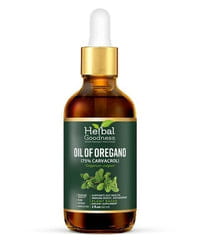
- Active Constituents: Many reputable listings note the concentration of carvacrol, a natural component of oregano oil. Terms like 'standardized to 70% carvacrol' give you a sense of what you’re getting. Oil of Oregano (75% Carvacrol) - 2oz Liquid - Immunity clearly specifies this constituent on its label, which helps you understand exactly what is in the product.
- Carrier Oils: Since oregano oil is highly concentrated, it’s typically blended with a carrier oil like olive oil or coconut oil. This will be clear in the full ingredient list.
- Additives or Fillers: Simpler is usually better. Unnecessary added ingredients, artificial colors, or preservatives may not be ideal for those seeking a natural supplement experience.
Check for Transparency: A quality supplement brand will clearly list every ingredient, including the source of the oregano and any processing oils or capsules.

Questions to Ask Yourself:
- Does the label clearly state Origanum vulgare?
- Is the carvacrol content specified? If so, listings like Oil of Oregano (75% Carvacrol) - 2oz Liquid - Immunity set a solid standard for ingredient clarity.
- Are all other ingredients familiar to you and spelled out?
- Are there any unidentifiable additives?
Spotting Real Sourcing and Testing Claims
Online, it's common to see products highlight 'wildcrafted,' 'organic,' or 'third-party tested' in their descriptions. How can you tell which claims hold weight?
Sourcing Claims
- 'Wildcrafted' or 'Wild-Harvested': Indicates the oregano was not farmed but gathered from its natural environment. Reliable brands often explain where and how the plants are sourced.
- 'Organic': Certified organic oregano means the plant was grown without synthetic pesticides or genetically modified organisms. Look for official organic logos or certifications.
Testing and Purity
- 'Third-Party Tested': Quality brands invest in having their products independently tested for purity and potency. Transparent listings may mention third-party labs or provide testing reports upon request.
- 'No Fillers or Synthetic Additives': This is a positive sign, but ask yourself whether the brand substantiates this claim with any documentation. Interested shoppers might also appreciate herbal liquid extracts such as Mullein Leaf - Organic 15X Liquid Extract - Respiratory & Lung Health, which are valued for clean sourcing and transparent labels focused specifically on the respiratory system.
Practical Steps to Verify:
- Check the brand’s own website for details about their sourcing, lab reports, or certifications.
- Look for badge logos (such as “USDA Organic”) rather than just descriptive text.
- If sourcing or testing information is vague (“lab-tested for quality and purity” without elaboration), consider asking the brand directly for more information.
Dissecting Marketing Language in Product Listings
Product pages are designed to persuade. Recognizing the difference between marketing phrases and substantiated information will help you find products that fit your expectations.
Common Phrases and How to Interpret Them
- 'May support': Not a guarantee, but used to imply a gentle association with well-being.
- 'Customer favorites for the season': Leverages popularity during certain times, such as winter, but is not an indicator of effectiveness.
- 'Premium European oregano': Suggests a specific geographic origin. A credible brand will specify country of origin or farming partnerships.
- 'Doctor-recommended': If used, this should be backed by real credentials or references; otherwise, treat the claim with caution.
Tip: Listings that feel heavy on exciting adjectives but light on concrete information about harvest, testing, or quality may be using more marketing than substance. If you are looking beyond oregano oil, exploring Lungs and Respiration - 15X Liquid Extract - Respiratory can offer further insight into how product pages handle health benefit claims for respiratory wellness support.
Unpacking Social Media Posts About Oregano Oil and 'Respiratory Support'
Scrolling through wellness influencers, you might see short videos or heartfelt captions touting oregano oil as essential for 'clear breathing' or mentioning personal 'breathing breakthroughs.' Before you accept these stories, it’s helpful to know how to interpret them.
Signs of Sponsored Posts vs. Genuine Experiences
- #Ad or #Sponsored: Influencers in the U.S. are required to label paid content. Look for these tags at the top or bottom of a post.
- Ambiguous Benefits: Posts mentioning 'woke up feeling so much better' or other non-specific statements typically reflect personal experiences rather than guaranteed results.
- Discount Codes: Frequent mentions of exclusive codes may indicate a paid partnership with the brand.
What to Value in Social Content
- Details matter. Genuine posts often share how the person uses the supplement (dose, timing, combinations) and provide context rather than just general praise.
- Balanced perspective: Look for posts that discuss both positive and neutral impressions, not just highlights.
Evaluating Online Reviews: Sorting Insightful Feedback from Hype
Online reviews can be helpful, but not all are equally informative or trustworthy. Here’s how to approach them with a discerning eye:
Red Flags in Reviews
- Overly Positive or Repetitive: Reviews packed with identical phrases or bold promises may be incentivized or generated by automated systems. A product like Mullein Leaf Tea - Organic 24 Tea Bags - Respiratory & Lung may attract positive remarks, but be sure the feedback includes specifics rather than just glowing statements.
- Lack of Detail: Vague statements like 'It works!' or 'Best product ever' don’t add much value.
- Mentions of Quick Results: Supplements by nature are not instant in their effects; be cautious of claims of rapid change.

Signs of Useful Reviews
- Specific Observations: Descriptions of how the product was used and noticeable differences in routine or feelings are more helpful than broad statements.
- Balanced Feedback: Honest reviews may mention neutral points—taste, capsule size, or the need to adjust dosage.
How to Use Reviews Wisely
- Skim the highest and lowest reviews—do they seem authentic, or are they emotionally charged without substance?
- Focus on reviews that discuss specifics: formulation, packaging, brand transparency, or customer service experiences. You might find reviewers of Oil of Oregano (75% Carvacrol) - 2oz Liquid - Immunity or Mullein Leaf - Organic 15X Liquid Extract - Respiratory & Lung Health detail how the product fit into their respiratory wellness routines.
- Look for patterns in feedback (e.g., several users note a strong herbal aroma or consistent customer support quality).
Decoding Shipping, Labeling, and Fine Print
The details after checkout can tell you a lot about a product’s quality and reliability.
Shipping and Storage Notes
- Packaged Appropriately: Is oregano oil shipped in a dark glass bottle or capsule jar to protect from light and preserve potency? Many top respiratory blends—such as Lungs and Respiration - 15X Liquid Extract - Respiratory—showcase these details on their product pages.
- Handling Time: Quality brands generally offer reasonable handling times and clear information about shipping origins.
- Temperature Sensitivity: Look for recommendations to store away from heat or direct sunlight—this is important for oils.
Label Clues
- Clear Usage Instructions: Dosage or serving size recommendations are provided, along with warnings (e.g., 'not for children,' 'consult a health professional before use').
- Contact Information: A brand with a physical address and contact details on the label is generally more trustworthy.
- Lot Numbers or Expiration Dates: Suggest strong inventory control and a commitment to product freshness and safety.
Building Confidence as a Natural Wellness Shopper
Separating fact from marketing noise is an empowering skill, especially with herbal products like oregano oil. By taking a moment to examine ingredient lists, dig a little deeper into sourcing and testing claims, evaluate social and review content with skepticism, and scan the fine print, you set yourself up for a more satisfying shopping experience.
Remember: reputable brands—and the best online communities—are transparent, candid, and open to your questions. Lean into brands that empower you with knowledge and full ingredient clarity, so your choices always reflect your values and curiosity.
FAQs:
- What should I look for in a quality oregano oil listing?
A trustworthy oregano oil listing clearly states the botanical species (ideally Origanum vulgare), specifies the carvacrol content, details all other ingredients (including carrier oils), and is transparent about sourcing, certifications (such as organic), and third-party testing. Look for brands that provide thorough information both on product pages and labels.
- How can I tell if social media posts about oregano oil are sponsored?
Sponsored social posts are often labeled with hashtags like #Ad or #Sponsored. They frequently include brand discount codes and may focus more on excitement than detailed personal experience. Always check for these disclosures and favor posts that openly share both positives and neutrals.
- Why do product listings use phrases like 'supports respiratory health'?
Such phrases aim to communicate potential benefits in a compliant way, reflecting traditional or common uses rather than making definitive health promises. They are meant to suggest a gentle association—read these as informational rather than guaranteed outcomes.
- Are all 'customer favorite' or 'best-selling' labels meaningful when shopping for oregano oil?
Not necessarily. These labels often rely on marketing trends or sales data that aren't always made public. While popularity can indicate general satisfaction, it shouldn't substitute for checking ingredient quality and brand transparency.
- How important is third-party testing in oregano oil supplements?
Third-party testing adds an extra layer of assurance by verifying purity and potency independently. Brands that invest in such testing tend to display or provide lab reports, and listing this information increases trust for shoppers seeking high standards.
- What should I watch out for in oregano oil online reviews?
Be cautious of overly enthusiastic or vague reviews, repetitive language, or stories of instant effects. The most helpful reviews share specifics such as product packaging, taste, usage routine, and overall brand transparency.
Author Name:
Herbal Goodness Editorial Team
Author Bio:
The Herbal Goodness Editorial Team specializes in holistic health and superfoods, blending science and nature to educate and empower our community.
References:
Introducing Graviola to Young Taste Buds: Fun, Family-Friendly Flavor Exploration