





Buying Soursop (Graviola) Bitters in Bulk: Checklist for Businesses & Makers

Considering purchasing soursop (graviola) bitters in bulk for your business or craft venture? Sourcing herbal products at scale is an exciting milestone, but it also comes with a unique set of questions and considerations. From understanding extraction methods to navigating labeling requirements, making the right choices early can ensure you receive high-quality product that meets both regulatory and ethical expectations. This plain-English guide walks you through a practical checklist for buying soursop bitters in bulk—ideal for organizational buyers, small wellness brands, and makers ready to take the leap into larger batches.
What Is Soursop (Graviola) Bitters?
Soursop, also known as graviola, is a tropical fruit renowned for its unique flavor and its traditional place in herbal culture. Bitters made from soursop bring together the fruit’s natural properties with a time-honored approach to infusing botanicals. Bulk soursop bitters can be used as an ingredient for tinctures, beverages, and formulas in both retail and craft settings. As sourcing moves from one-off bottles to larger orders, it becomes crucial to analyze each step of the process.
For those focused on cell health and wellness, Soursop Bitters 15X Liquid Extract – Organic Soursop Leaf Detox & Wellness Support is an excellent example of a bulk-ready, quality soursop extract suitable for businesses aiming to integrate pure graviola botanicals. Additionally, soursop-based formulations are gaining traction as consumers and clients look for ingredients with a dual history of culinary and wellness use.
Key Sourcing Questions for Soursop Bitters Suppliers
Start with Transparency
Before signing any purchase order, address transparency with potential suppliers. Questions to consider include:
- Where is the soursop sourced and harvested?
- What are the growing and harvesting practices?
- Are there traceability records for each lot?
- Can the supplier provide full ingredients lists and formulation details?
Suppliers able to provide clear answers build security and trust—essentials for any business relationship, but especially important in the world of bulk botanicals.
Looking for a reliable bulk supplier? Click here to fill our form and access our wholesale program.
Understanding Extraction Methods
Not all soursop bitters are created equally. The method of extraction can influence the flavor, aroma, and overall profile of the finished product. Key points to clarify are:
- What extraction method is used (alcohol, glycerin, water-based)?
- Are any auxiliary ingredients (such as sweeteners, preservatives, or other botanicals) present?
- Is the extraction process cold, warm, or employs specialized techniques?
Requesting documentation or technical data sheets on the extraction method gives context for how the soursop bitters are crafted and how they compare to others on the market. If your product line integrates wellness teas or extracts, consider sourcing from companies that offer both Soursop Leaf Graviola Extract - - Organic 15X Liquid Extract - Cell Renew & Immunity and herbal blends for easy compatibility and formulation consistency.
Evaluating Quality: Third-Party Testing and Certifications
Third-party verification is one of the most effective ways to assess bulk soursop bitters for consistency and safety. Ask suppliers:
- Will a Certificate of Analysis (COA) be provided for each lot?
- What testing is conducted: identity, purity, heavy metals, or contaminants?
- Are there certifications such as organic, kosher, or non-GMO verified?
- What are the batch testing frequencies and procedures?
These measures help protect your end customers and remove guesswork from the sourcing process. In the growing market for immune and cell health-boosting botanicals, products like Soursop Leaf Tea Graviola Leaves - Organic 24/2g Tea Bags - Immunity & Cell Renew stand out for their transparency in third-party testing.
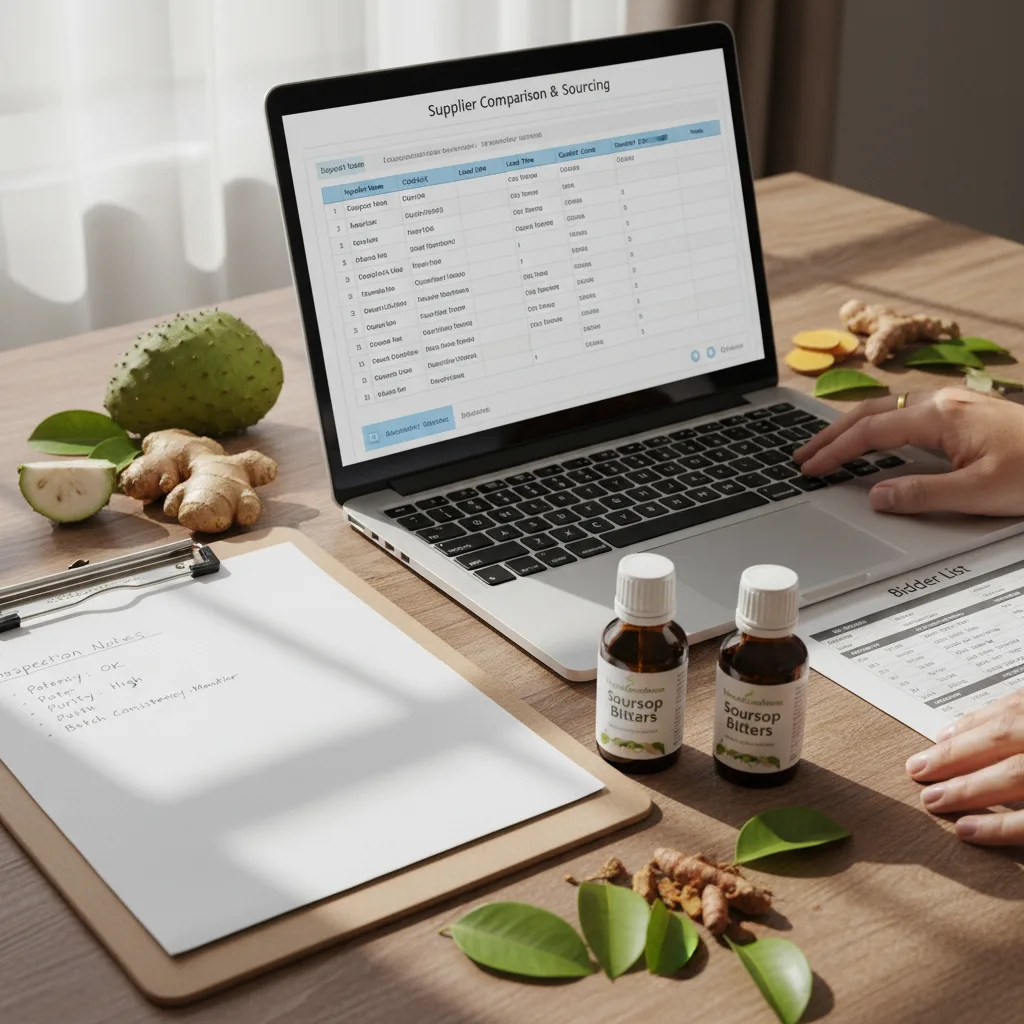
Sample Requests and Running a Pilot
Before you commit to a large purchase, most reputable suppliers will accommodate sample requests. Sampling strategies for soursop bitters may include:
- Requesting a small sample from the desired batch or recent lots
- Running a small pilot in your recipe or product line
- Assessing appearance, flavor, aroma, and stability over time
- Comparing sample lots if sourcing from multiple vendors
A hands-on approach is important. Take organized notes on taste, solubility, color clarity, and any variance you observe between samples. Involve your team for sensory testing if possible. For comparison, adding sample lots of soursop alongside blends with papaya or other wellness teas can help you make a more informed decision when purchasing in bulk.
Storage, Shelf-Life, and Packaging Considerations
Bulk soursop bitters need tailored storage solutions to maintain their quality from the moment of delivery through to end-use. Consider:
- Packaging format: Are the bitters supplied in drums, food-grade jugs, or glass containers?
- Storage needs: Should the product be kept cool, away from light, or at a certain humidity?
- Shelf-life: What is the average best-by date, and is this information clearly labeled?
- Lot identification: Are batches clearly marked for traceability?
Proper storage and handling extend the useful life of soursop bitters, reduce waste, and maintain product consistency for your customers or formulations. Options such as Bulk Herbs & Roots Online for Tea, Tinctures & DIY Wellness - Organic 4oz Bags can support diversified inventory management strategies, especially for businesses managing multiple herbal ingredients.

Comparing Batches and Lots: Practical Tips
Bulk herbal ingredients can show subtle batch-to-batch differences, particularly with botanically complex products like soursop bitters. To evaluate and compare lots:
- Use a sensory panel to assess key characteristics
- Review COA documentation side-by-side
- Keep detailed records of purchase, sensory testing, and quality ratings
- Ask for supplier support to explain any significant batch differences
Since herbal products are naturally variable, documenting your findings ensures clearer communication and better decision-making for future orders. When working with multi-botanical formulas, leveraging similar products (such as Soursop Bitters Graviola Extract - 120/1000mg Capsules - Immunity & Wellbeing) can provide helpful benchmarks for consistency.

Regulatory, Labeling, and Import Checklist
Business buyers should ensure regulatory compliance and transparent labeling when receiving soursop bitters in bulk. Here’s what to review:
- Ingredient declaration: Are all ingredients disclosed and legal for use in your market?
- Country of origin: Is the source and processing country clear?
- Packaging labels: Is the product in compliance with required regulations (weight, lot, expiration)?
- Import requirements: Do you need special documentation or testing for customs clearance?
- Handling instructions: Are these provided in a language accessible to your team?
This due diligence minimizes supply chain disruptions and keeps your business in good standing with customers and regulatory bodies alike. Herbal suppliers with experience in international compliance can smooth out potential challenges when importing bulk botanicals.
Sustainability and Ethical Sourcing for Soursop Bitters
Modern organizations increasingly seek botanicals sourced through mindful and ethical practices. To address sustainability in your soursop bitters procurement:
- Ask whether the soursop is wildcrafted, cultivated, or organically grown
- Discuss certifications around sustainability (Fair Trade, Organic, etc.)
- Inquire about supplier initiatives for local communities and farmers
- Explore supply chain measures to reduce packaging and shipping impacts
Not only do these efforts resonate with conscientious customers, but they also help ensure the long-term viability of natural resources like soursop. Choosing certified organic or transparent sources, such as Soursop Leaf Graviola Extract - - Organic 15X Liquid Extract - Cell Renew & Immunity, strengthens your brand’s reputation for responsibility.
Working with Trusted Brands and Suppliers
Choosing soursop bitters in bulk is more than a transactional process—it’s a partnership. Whether you’re a craft beverage company, specialty retailer, or integrative wellness provider, the relationship with your supplier should focus on mutual transparency and shared value. Trusted suppliers, such as those with a track record for quality and ethical sourcing, make it easier for small businesses to scale with confidence. Leading companies like Herbal Goodness adhere to rigorous standards and provide the documentation and guidance you need throughout the procurement process. Their Soursop Bitters 15X Liquid Extract – Organic Soursop Leaf Detox & Wellness Support illustrates what to look for: clarity, documentation, and high standards.
Ready to source in bulk for your business? Click here to fill our form and get started with our wholesale program.
Final Thoughts: Building Your Bulk Soursop Bitters Checklist
Bulk buying introduces complexity, but it also enables your business to be creative and efficient. A well-structured checklist for soursop bitters sourcing includes:
- Understanding supplier transparency and origin
- Reviewing extraction methods and formulation details
- Verifying third-party testing and holding certificates
- Requesting and piloting samples before final purchase
- Managing storage, shelf-life, and packaging logistics
- Comparing batches and retaining records
- Checking labeling, regulatory, and import documentation
- Integrating sustainability goals where possible
By methodically covering these areas, your business is well-positioned to deliver high-quality botanical products while efficiently managing costs and risks.
Ready to take your business to the next level? Use this checklist to confidently source bulk soursop bitters that align with your standards and values.
Click here to fill our form to access bulk pricing and wholesale opportunities tailored to your business.
FAQs:
- What should I look for in a soursop bitters supplier?
Look for suppliers offering transparent sourcing information, clear extraction methods, complete ingredient lists, third-party testing, and responsible certifications to ensure both quality and ethical standards.
- How can I test the quality of bulk soursop bitters before buying?
Request samples, conduct sensory evaluations, and ask for Certificates of Analysis. Running a small pilot batch in your intended application helps assess compatibility and performance.
- What packaging is best for storing bulk soursop bitters?
Food-grade containers such as sealed jugs or drums, ideally stored in cool and dark conditions, help maintain freshness. Always check for packaging that’s labeled with lot and expiration details.
- Are there special import requirements for soursop bitters?
Import requirements can vary by region, so check if special documentation, testing, or customs declarations are needed. Your supplier should help provide the necessary paperwork.
- How do I compare different batches of soursop bitters?
Use sensory panels, review laboratory certificates, and note sensory variations. Keeping comprehensive records on each lot helps track consistency over time and suppliers.
- Why is sustainability important in sourcing soursop bitters?
Sustainable sourcing practices support environmental and community health, secure reliable supply chains, and align with growing consumer interest in responsibly sourced botanicals.
- Can I get certifications like organic for soursop bitters?
Yes, some suppliers offer certified organic or other verifications. Always confirm current certificates before purchasing and clarify what each certification ensures.
Author Name:
Herbal Goodness Editorial Team
Author Bio:
The Herbal Goodness Editorial Team specializes in holistic health and superfoods, blending science and nature to educate and empower our community.
References:
Introducing Graviola to Young Taste Buds: Fun, Family-Friendly Flavor Exploration
Graviola in the Classroom and at Home: Creative Activities to Teach Kids About Tropical Plants
Why Social Impact Matters in Plant-Based Wellness