




Buying Organic Loose-Leaf Tea in Bulk: Freshness & Everyday Uses Guide

Buying Organic Loose-Leaf Tea in Bulk: Freshness & Everyday Uses Guide
Organic loose-leaf tea stands at the crossroads of well-being, sustainability, and daily pleasure. For newcomers drawn to the world of premium teas, making the leap to buying tea in bulk can feel a bit mysterious. This comprehensive guide untangles the reasons shoppers are choosing organic loose-leaf tea in bulk, offers expert insights on assessing quality, and shares easy, fresh ways to store your tea. Plus, prepare to explore the creative side of tea with modern uses—beyond the classic mug.
Why Choose Organic Loose-Leaf Tea in Bulk?
Freshness in Every Cup
Bulk loose-leaf tea is prized for its ability to offer vibrant taste and aroma. Unlike pre-packaged, single-serve bags, bulk loose-leaf generally contains larger, intact leaves—this can mean more naturally preserved flavor, essential oils, and nuanced complexity. When sourced fresh and stored well, the experience is extraordinary with each steep.
Cost-Effective and Sustainable
Buying in bulk is often easier on the wallet. Since you’re avoiding individually packaged servings and branded boxes, the cost per cup often drops dramatically. Bulk buying also has a lower environmental footprint—think less plastic, less packaging waste, and fewer shipping emissions per ounce enjoyed.
Choice and Exploration
Whether you’re a matcha traditionalist, a lover of ancient oolongs, or eager to dive into herbal infusions, buying loose-leaf tea in bulk allows you to sample many varieties, blends, or even make your own custom tea mix at home. It supports your sense of curiosity and adventure in every brew.
Evaluating Quality: What to Look For in Bulk Organic Tea
Understanding Organic Certifications
With “organic” on the label, you might expect all teas to be grown equally, but there’s important nuance. Here’s what to scan for when shopping:
- USDA Organic: Verifies no synthetic pesticides, fertilizers, or GMOs in the farming process.
- Fair Trade Certified: Ensures ethical labor practices and greater social responsibility.
- Non-GMO Project Verified: Indicates no genetic modification in production.
- Other Reputable Certifications: Look for reputable local or regional organic bodies if sourcing from outside the U.S.
These certifications, usually printed on bulk packaging, signal careful sourcing and environmental stewardship.
Visual and Sensory Cues of Fresh, High-Quality Tea
How can you tell if bulk loose-leaf tea is truly fresh?
- Color Vibrancy: Bright, lively greens for green teas, rich earthiness for black and oolong, and pronounced colors in herbal varieties.
- Leaf Shape: Intact, whole or large pieces point to careful handling (less breakage means more flavor is preserved).
- Aroma: The tea should smell true to type—grassy, floral, woodsy, or toasty. Dull, musty, or flat aromas could be a sign of staleness.
- Texture: Leaves should feel dry, not crumbly or powdery.
Sourcing from transparent brands or specialty stores that are happy to answer questions about harvest dates and storage practices adds another layer of assurance. For those dedicated to freshness, choosing Bulk Loose Leaf Teas & Tisanes - Organic 4oz - Herbal Wellness Teas is a standout choice, offering organic blends with integrity and variety.
Smart Storage: Keeping Bulk Organic Loose-Leaf Tea Fresh
The freshness of your organic tea isn’t just about how it’s harvested—it’s also about how you store it at home. Use these tips for peak flavor:
Tips for Effective Storage
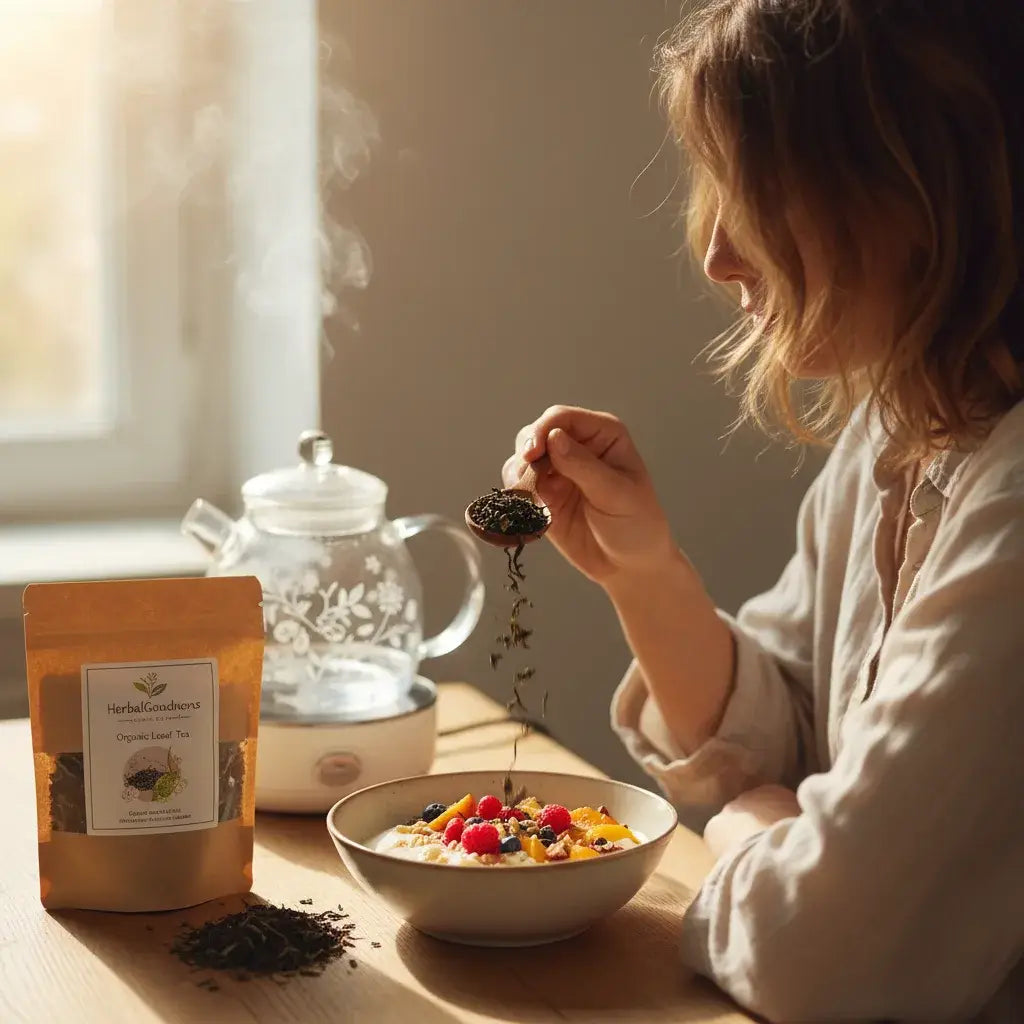
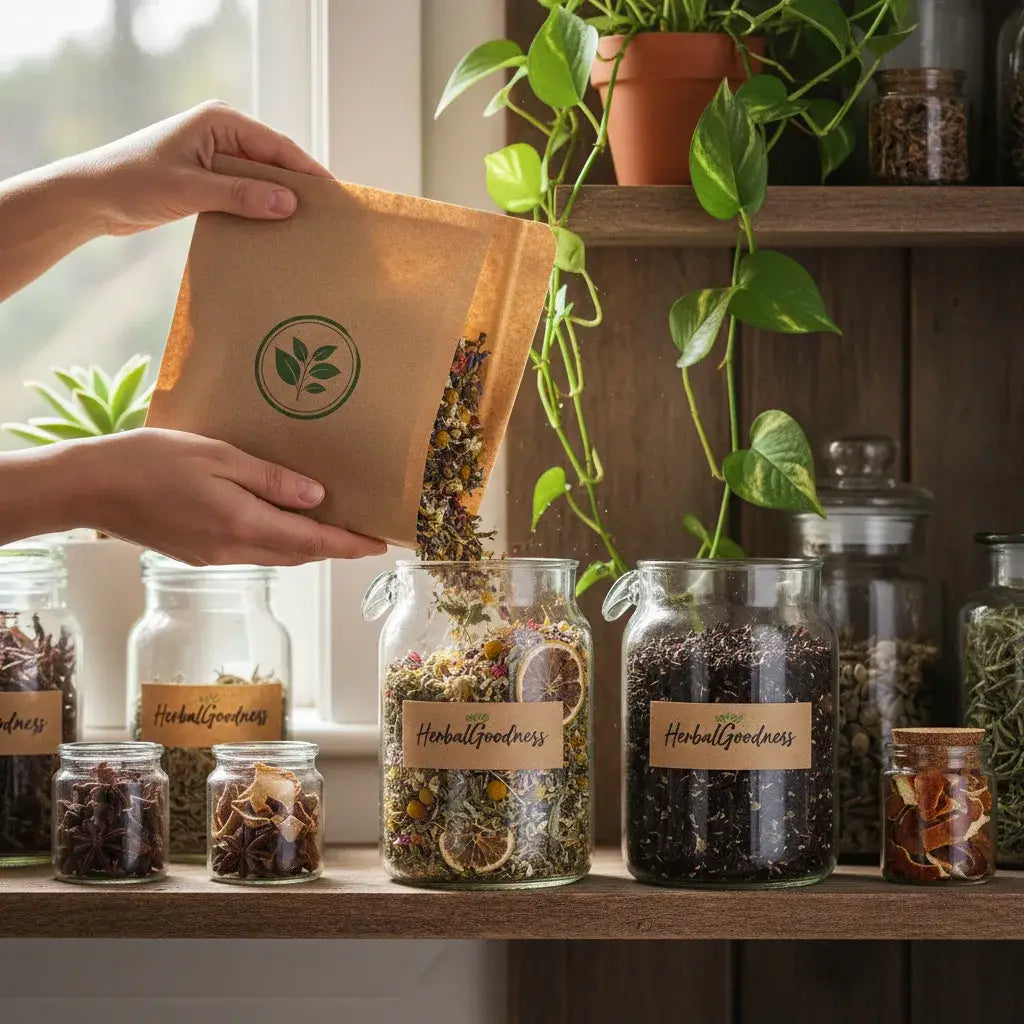
- Keep It Airtight: Store bulk tea in well-sealed containers. Glass jars with silicone or rubber gaskets, or stainless-steel tins with tight-fitting lids, are excellent choices.
- Cool and Dark: Place containers away from direct sunlight, heat sources, and moisture. Cool, dry cupboards or pantries work well.
- Avoid Odors: Tea readily absorbs strong scents. Keep tea away from spices, coffee, or any aromatics.
- Minimal Humidity: Even a hint of dampness can degrade your tea. Always use clean, dry scoops or spoons to measure.
- Rotate Regularly: Practice FIFO (first in, first out). Use older teas first and keep smaller, labeled batches to monitor freshness.
Wellness Tea Blends - Organic 4oz - Premium Herbal Infusion are designed to be easily portioned and stored, helping maintain maximum potency over time.
Shelf Life Guidelines
Most high-quality organic loose-leaf teas maintain their peak character for 6–12 months (herbal variations may last a bit longer). However, they rarely “go bad” in a harmful way—they simply lose their best taste and aroma over time. Choosing purpose-packed our Bulk Herbs collection ensures consistent shelf life and value.
Beyond the Cup: Creative Everyday Uses for Bulk Organic Loose-Leaf Tea
Think your tea leaves are destined only for a teapot? Think again. The versatility of bulk tea offers inspiration in the kitchen, home, and beyond.
Cold Brews and Refreshing Iced Teas
Bulk loose-leaf tea excels at cold infusions. To make a smooth, refreshing iced tea:
- Fill a pitcher with filtered, cold water.
- Add 1–2 tablespoons of loose-leaf tea per quart.
- Let it steep overnight in the fridge.
- Strain, serve over ice, garnish with herbs or citrus.
The slow-steeped result can be milder and less bitter than traditional hot brewing, making it perfect for long summer days or batch-prepping beverages. If you’re experimenting, try using Bulk Loose Leaf Teas & Tisanes - Organic 4oz - Herbal Wellness Teas for a wide variety of cold-brew options.
Culinary Infusions: Teas in Cooking and Baking
Why not bring tea to the table in surprising ways?
- Infused Broths: Add steamed green tea or herbal blends to vegetable broths for depth.
- Baking: Grind dried leaves to a fine powder and add to shortbread dough, muffins, or pancake batter.
- Rice and Grains: Steep tea in hot water and use as the base for cooking rice, quinoa, or oatmeal for subtle aromatics.
- Salad Dressings: Use brewed (and chilled) herbal teas as the water base in vinaigrettes.
Experimenting with tea in your recipes opens a world of new flavors added naturally.
Herbal Sachets for Scent and Wellness
Loose-leaf tea leaves can be bundled into small cloth sachets to scent dresser drawers, closets, or even tucked under your pillow for a gentle, botanical fragrance. Herbal varieties like lavender, chamomile, or mint are especially popular for this use. Consider using Wellness Tea Blends - Organic 4oz - Premium Herbal Infusion or our Bulk Herbs collection for homemade wellness sachets that highlight real plant ingredients.
Simple, Low-Waste Gifts
Bulk organic tea is the basis for meaningful, sustainable gifts.
- Package pretty tea blends in reusable glass jars or paper bags tied with twine.
- Pair with a tea infuser or a one-cup teapot for a thoughtful present.
- Craft your own “relaxation kits” with sachets, tea samples, and handwritten steeping tips.
These gifts reflect your care for both people and the planet, minimizing packaging waste and promoting mindful moments. For a curated touch, Herbal Tea Gift Set – Wellness Tea Gift Variety Collection - Organic 24 Teabags is a wonderful low-waste option.
Choosing the Right Organic Loose-Leaf Tea for You
With countless varieties available, use this framework to shop with confidence:
Identify Your Preferences
Are you drawn to bold, earthy black teas? Delicate green teas? Caffeine-free herbal infusions? Knowing your flavor interests, desired caffeine level, and when you like to enjoy tea (morning, evening, social occasions, etc.) helps narrow your selection. our Bulk Herbs collection offers incredible versatility for every palate and need.
Investigate the Source
Ask or research where and how the tea is grown. Organic farms tend to avoid conventional chemicals and often use traditional, smaller-scale agricultural methods. This not only speaks to quality but also supports environmental ethics and small farmers. Exploring reputable sources such as our organic herbal teas gives peace of mind regarding organic practices.
Sample Before You Commit (If Possible)
Some specialty stores offer small sample sizes for purchase or in-store tastings. This helps you discover your favorites before purchasing a pound.
Watch for Transparency
Brands or shops with open sourcing, willingness to explain certifications, and readiness to talk about harvest or lot numbers are often the ones most dedicated to quality. Using transparent suppliers of Wellness Tea Blends - Organic 4oz - Premium Herbal Infusion ensures you know exactly what you’re sipping.
Supporting a Greener World with Your Bulk Tea Choices
Bulk organic tea buying is an act of stewardship as much as self-care. By minimizing single-use packaging and supporting certified organic producers, your daily ritual contributes to a cleaner, healthier environment. Each cup made from a bulk purchase is one less single-use teabag in the landfill and a vote for soil health and biodiversity on tea farms worldwide.
Getting Started: Simple Steps to Begin
- Research Reputable Suppliers: Look for transparency, certifications, and positive customer feedback.
- Buy Appropriate Quantities: Start small if you’re exploring new types, or buy larger amounts of tried-and-true favorites.
- Gather Storage Containers: Assemble airtight, light-resistant jars or tins before your order arrives.
- Explore Recipes and Uses: Don’t be afraid to get creative—share your discoveries with friends and family!
Buying organic loose-leaf tea in bulk is not just a purchase—it’s a lifestyle shift toward freshness, sustainability, and delight in small daily rituals.
FAQs:
- What are the benefits of buying organic loose-leaf tea in bulk?
Buying organic loose-leaf tea in bulk often offers fresher, more aromatic tea at a lower cost per cup. It supports sustainability by reducing packaging waste and allows for more choice and experimentation with different varieties or custom blends.
- How can I tell if bulk loose-leaf tea is high quality?
Look for vibrant color, intact leaves, and a strong, pleasant aroma. Quality organic teas often carry certifications like USDA Organic, Fair Trade, or Non-GMO labels. Sourcing from reputable brands or shops ensures transparency and freshness.
- What is the best way to store bulk loose-leaf tea at home?
Store tea in airtight containers in a cool, dark, and dry place. Keep away from strong odors, moisture, and sunlight. Use clean utensils for scooping and rotate stock so the oldest tea is used first.
- How long does bulk loose-leaf tea stay fresh?
Most loose-leaf teas remain fresh for 6 to 12 months when stored properly. Herbal teas may last a bit longer. Over time, the flavor may diminish but the tea is still safe to use.
- Are there creative ways to use bulk tea besides brewing?
Absolutely! Try cold-brewing for iced tea, adding ground tea to baked goods, infusing it in broths, creating fragrant sachets, or packaging it as a low-waste, personalized gift.
- Can I mix different loose-leaf teas to create my own blends?
Yes. Creating your own tea blends is a fun way to experiment with flavors and aromas. Start with small batches and take notes so you can repeat your favorite combinations.
- Why are organic certifications important in tea?
Organic certifications, like USDA Organic or Fair Trade, help assure consumers that the tea was grown without synthetic chemicals or genetic modification, often using methods that are better for the environment and workers.
Author Name:
Herbal Goodness Editorial Team
Author Bio:
The Herbal Goodness Editorial Team specializes in holistic health and superfoods, blending science and nature to educate and empower our community.
References:
Introducing Graviola to Young Taste Buds: Fun, Family-Friendly Flavor Exploration
Graviola in the Classroom and at Home: Creative Activities to Teach Kids About Tropical Plants
Why Social Impact Matters in Plant-Based Wellness