




A Plain-Language Guide to Moringa in Urdu: Names, Uses, and What to Look For

Moringa has become a widely discussed plant in both traditional and modern wellness conversations across the globe. Yet, for Urdu-speaking readers, it’s not always easy to find clear and accurate information in your language. This guide is designed to break down the essentials of moringa—how it’s known locally, everyday uses in South Asian kitchens, key product terms to look for on labels in Urdu, and safe practices when trying moringa for yourself.
Common Names for Moringa in Urdu and Regional Context
Moringa is a plant with many names, and understanding them helps you identify it accurately in different regions or on product labels. In Urdu, moringa is most commonly called:
- سہانجنہ (Suhanjna)
- مرنگا (Moringa)
- دراختِ سخینہ (Darakht-e-Sakheena – meaning 'the tree of kindness')
You may also come across different spellings or local variations in other South Asian languages. Recognizing these common names helps ensure you are selecting genuine moringa products at the store or in marketplaces.
Where Moringa Grows
In Pakistan, India, and Bangladesh, moringa (سہانجنہ) trees are widespread, especially in rural and semi-urban areas. The leaves, pods, and seeds are all valued for different traditional uses. Equally, modern wellness circles suggest using products like Moringa Leaf Extract 15X Liquid | Organic – Immunity & Total Wellbeing for ease and convenience in supplement form.
Traditional Uses of Moringa Leaf, Seed, and Powder in South Asian Kitchens
Moringa has a long tradition in South Asian cooking and home use:
Moringa Leaves
- As a Vegetable: Sautéed or cooked in curries, sometimes mixed with potatoes or lentils for added flavor and nourishment.
- In Daal and Soups: Fresh moringa leaves can be sprinkled into dal (lentil soup) or vegetable broth near the end of cooking.
Moringa Seeds
- As a Snack: Some families roast or boil moringa seeds (سہانجنہ کے بیج) and enjoy them as a light snack.
- In Chutneys: Seeds are occasionally ground and added to chutneys for a nutty flavor.
Moringa Powder
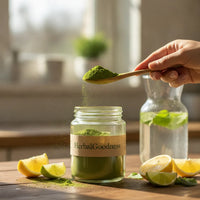
- Added to Smoothies: A teaspoon of moringa powder (سہانجنہ پاؤڈر) can be blended into milkshakes, smoothies, or yogurt for a natural boost. A similar nutritional punch can be found by exploring products such as Raw Sea Moss 8oz Bag | St. Lucia Wildcrafted – Nature's Multivitamin.
- Sprinkled on Food: Moringa powder easily mixes into rice, curries, or roti dough.
- Herbal Tea: Steeping moringa leaves or powder in hot water makes a mild herbal tea that many find soothing in the evening. For those seeking convenient options, Moringa Leaf Extract 15X Liquid or similar herbal teas offer quick preparation without compromising on the traditional touch.
Simple Moringa Tea Recipe
- Add 1 teaspoon dried moringa leaves or powder to hot water.
- Let steep for 3-5 minutes.
- Strain and enjoy as is, or with a hint of honey and lemon.
These simple, home-based uses reflect traditional approaches passed down for generations in South Asia.
Understanding Product Labels and Ingredient Terms in Urdu
When shopping for moringa products, reading labels carefully ensures you know what you’re purchasing. In Urdu, label terms you may encounter include:
- Moringa Leaf Powder: سہانجنہ پاؤڈر
- Moringa Capsules: سہانجنہ کیپسول
- Moringa Tea: سہانجنہ کی چائے
- Organic Moringa: آرگینک سہانجنہ
Other important terms:
- Ingredients: اجزاء
- Serving Size: پیشکش کی مقدار
- Non-GMO: غیر جینیاتی تبدیل شدہ
- Expiry Date: اختتامی تاریخ
Carefully check the ingredients (اجزاء) section to be sure the main active content is moringa, without unnecessary additives or fillers. Some high-quality brands, like Herbal Goodness, will also display certifications for organic or ethical sourcing to help you choose wisely. If you’re seeking additional natural wellness products, Blood Platelet Support with Papaya Leaf | Organic 15X Liquid Extract is also labeled clearly for easy selection.
Moringa’s Reported Benefits: Traditions and What Research Typically Examines
In many Urdu-speaking households, moringa is valued for its:
- Nutritional profile (fiber, protein, vitamins, minerals)
- Traditional use as an everyday superfood
Globally, scientific studies focus mostly on:
- The presence of plant compounds such as antioxidants
- The general nutritional content of leaves and seeds
- Possible support for overall wellness and vitality

What the Evidence Says (in Simple Terms)
Many traditional uses across South Asia have inspired scientists to study moringa leaves, seeds, and pods. Most modern research has centered on the plant’s:
- High vitamin content (especially A and C)
- Naturally occurring plant compounds known as polyphenols
- Basic nutrition contribution as a green leafy vegetable
It’s important to note: research is ongoing, and most results focus on nutritional aspects or the potential roles of plant compounds—without making any absolute or health-specific claims. Those exploring evidence-based traditions often look to extracts like Moringa Leaf Extract 15X Liquid for research-backed formulations.
Simple Ways to Prepare and Enjoy Moringa at Home
Integrating moringa into your daily routine is straightforward. Here are some kitchen-tested Urdu household methods:
Cooking with Fresh Moringa Leaves
- Remove the leaves from the stem and wash thoroughly.
- Add as you would spinach to curries, soups, or lentils.

Adding Moringa Powder to Everyday Foods
- Mix into chapati (roti) dough before cooking
- Add a spoonful to daal (lentil soup) after removing it from the heat
- Sprinkle over salads or steamed vegetables
Preparing Moringa Tea (Suhanjna ki Chai)
- Boil water, steep moringa powder or leaves, strain, and sip as a light, herbal beverage. You can also try caffeine-free Organic Papaya Leaf Tea | 24 Premium Bags for a gentle alternative.
Using Moringa in Smoothies
- Blend with milk or fruit, such as banana or mango, for an energizing start to your day. If you're looking to add more diversity, consider Raw Sea Moss 8oz Bag | St. Lucia Wildcrafted – Nature's Multivitamin.
Through these methods, moringa’s taste and benefits can fit easily into both modern and traditional South Asian kitchens.
Practical Safety Tips When Trying Moringa
Whether you are new to moringa or returning to it after many years, consider these safety tips:
- Start Small: Begin with a small amount to gauge taste and tolerance—especially in powdered form.
- Watch for Allergies: Although rare, as with any new food, notice if your body reacts and stop if discomfort occurs.
- Store Safely: Keep moringa powder or dried leaves in an airtight container, away from heat and sunlight, to preserve freshness. The same safe storage guidelines also apply to nutrient-rich extracts and bulk herbs, including Raw Sea Moss 8oz Bag.
- Check Expiry Dates: Always check packaging for freshness and safe use.

Conversation Prompts: Talking to Your Clinician About Moringa
Bringing traditional foods or supplements into your wellness routine is a personal choice—and it’s always helpful to share your plans with a healthcare provider. When speaking with your clinician, consider these conversation starters:
- “I would like to use moringa (سہانجنہ) in my meals. Is there anything I should monitor?”
- “Are there any dietary considerations about adding moringa leaves or powder to my daily routine?”
- “Is it safe to use moringa along with my current foods or supplements?”
Having open, informed conversations can help you make the most of your personal wellness journey with moringa, while respecting both traditional wisdom and current guidance.
Evidence-Aware Best Practices for Moringa in Urdu Homes
- Learn local and international product terms so you always bring home the intended moringa items. Whether choosing Moringa Leaf Extract 15X Liquid | Organic – Immunity & Total Wellbeing or a wellness tea, informed reading helps.
- Use traditional and simple preparation methods for practical, culturally rooted enjoyment.
- Reference recognized research when evaluating reported benefits, focusing on nutritional content and culinary value.
- Approach new routines mindfully—start small, monitor your personal response, and seek advice if you have questions.
Moringa has been a trusted, multipurpose plant in South Asian homes for generations. This plain-language guide is a resource to help you identify moringa confidently, prepare it safely, and discuss it knowledgably—in Urdu and beyond.
Frequently Asked Questions
Question 1: What is the best way to consume moringa for daily wellness?
Answer: You can use fresh moringa leaves in curries, sprinkle moringa powder into soups or smoothies, or choose a ready-to-use supplement like Moringa Leaf Extract 15X Liquid | Organic – Immunity & Total Wellbeing for convenience.
Question 2: How can I identify genuine moringa products in Urdu marketplaces?
Answer: Check for terms like سہانجنہ پاؤڈر for moringa powder and look for clear ingredients (اجزاء) on the label. Certified brands such as Blood Platelet Support with Papaya Leaf | Organic 15X Liquid Extract often provide easy-to-read labels.
Question 3: Is moringa powder safe for everyone?
Answer: Moringa is generally safe in traditional amounts. Always start with a small dose and discontinue if any allergies appear. Consult your healthcare provider if you take other supplements, like Raw Sea Moss 8oz Bag | St. Lucia Wildcrafted – Nature's Multivitamin.
Question 4: Can moringa tea be made using readymade products?
Answer: Yes, you can steep moringa powder or try similar blends such as Organic Papaya Leaf Tea | 24 Premium Bags – Caffeine-Free for convenience.
Question 5: What storage tips help keep moringa powder fresh?
Answer: Store in an airtight container, out of heat and sunlight. These rules work for all dried herbs and wellness products including Raw Sea Moss 8oz Bag.
Question 6: Are there alternatives to fresh moringa for nutritional support?
Answer: Yes, Moringa Leaf Extract 15X Liquid | Organic – Immunity & Total Wellbeing and Raw Sea Moss 8oz Bag | St. Lucia Wildcrafted – Nature's Multivitamin are convenient sources.
Question 7: What should I ask my clinician if I want to add moringa to my meals?
Answer: Mention your current diet and any supplements (such as herbal teas or Blood Platelet Support with Papaya Leaf | Organic 15X Liquid Extract), and ask whether moringa fits well with them.
Ready to explore moringa in your own kitchen? Use this Urdu-language guide to select, prepare, and enjoy moringa confidently, and start the conversation with your clinician for informed choices.
About the Author
Herbal Goodness Editorial Team
The Herbal Goodness Editorial Team specializes in holistic health and superfoods, blending science and nature to educate and empower our community.
Related Articles
Moringa Leaf Extract Labels: Regulations, Certifications & Safety
Moringa and Growth: What Research and Nutrition Science Reveal About Height
Privacy‑Savvy Buying: How to Order Moringa Leaf Extract Online Safely
Moringa Powder vs Matcha: Flavor, Ritual & Choosing Your Best Green Powder